

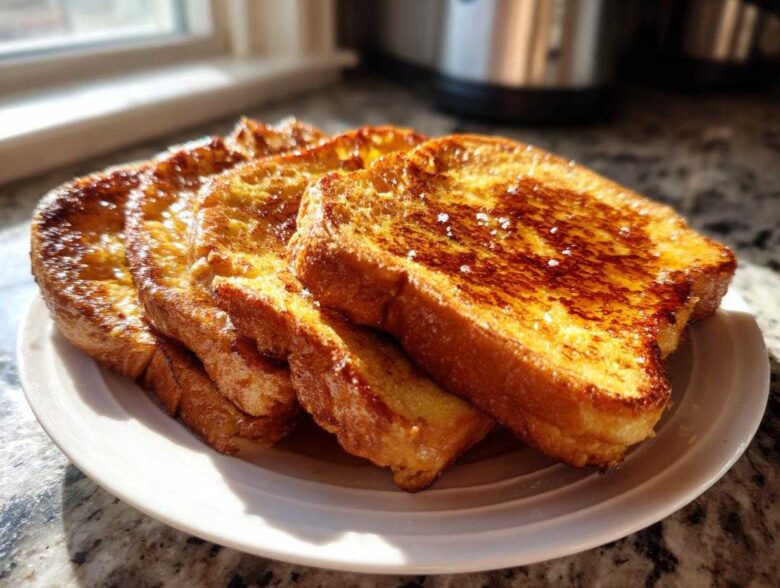
If you’ve ever ended up with soggy, sweet bread drowning in syrup, trust me, I get it. That, my friends, is the Infamous Lasagna Incident of 2018 happening in slow motion on your plate! Here at Savor And Pin, we hate broken promises, especially when it comes to breakfast. That’s why we engineered the absolute best classic french toast recipe ever. We are obsessed with nailing that perfect contrast: buttery, crispy French toast edges hugging a thick, shockingly rich, custardy center. This method we honed guarantees you an exceptional result every single time you step up to the griddle. Forget everything you thought you knew; this is where your weekend breakfast dreams finally come true. Check out our mission over at the Savor And Pin HQ to see why we’re so obsessed with fixing broken recipes!
Why This Classic French Toast Recipe Works (The Fix)
Most people mess up french toast because they rush the bread or they use a custard that’s too thin. Noah literally did science on a sad, soggy slice once—it was rough! Our recipe fixes those exact problems so you stop wasting good eggs. We nail that perfect texture by respecting the bread and controlling the heat. This isn’t about flipping fast; it’s about achieving those glorious, mouth-watering custardy french toast centers while getting those gorgeous, buttery crispy french toast edges you crave. The secret, honestly, is slowing down during the cooking phase; it feels wrong, but trust me on this one. You want a breakfast that tastes gourmet without needing ten steps! We learned a ton from guides like the one over at Bite Season about balancing moisture.
The Secret to Fluffy French Toast: Bread Selection
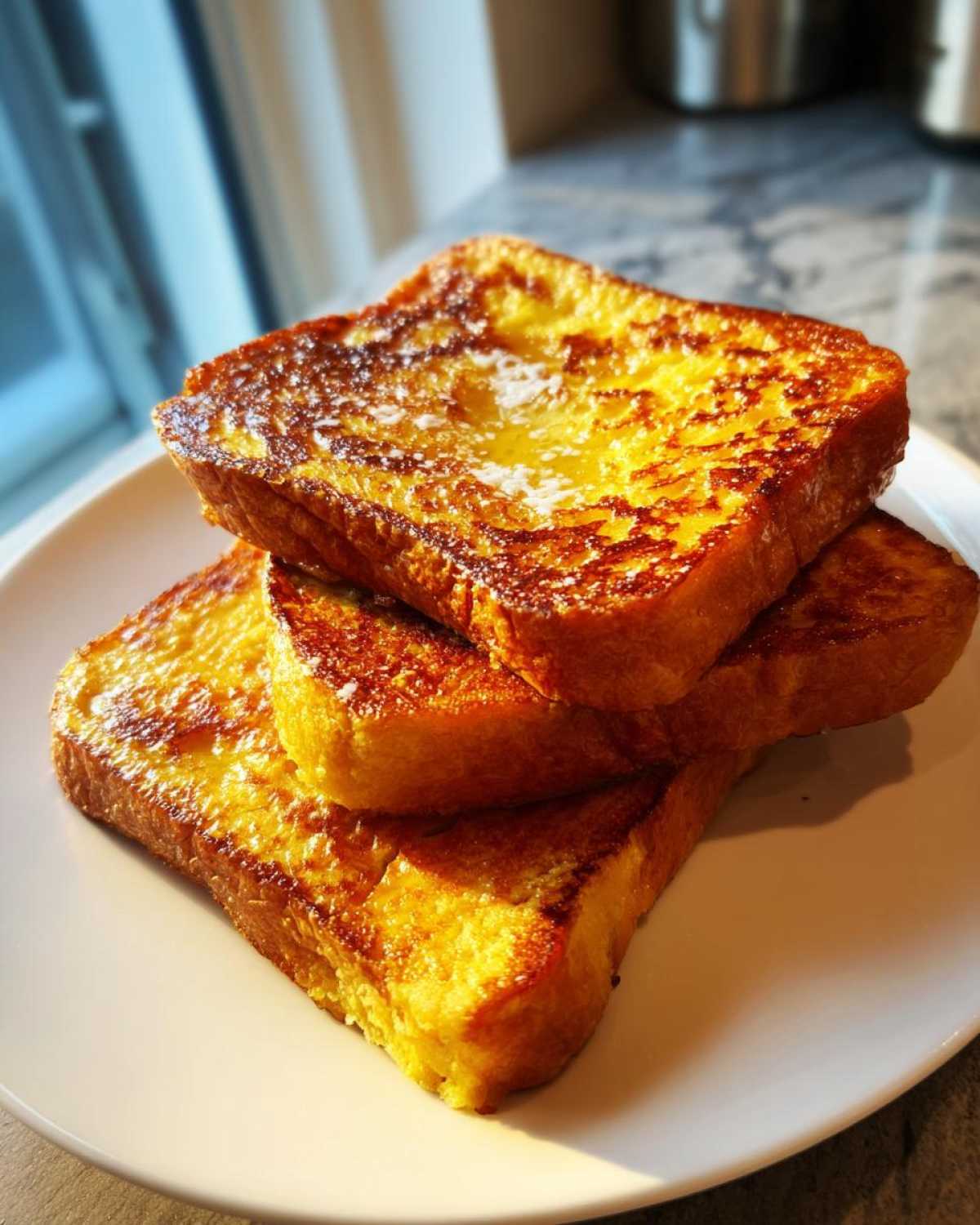
Your bread choice is the absolute foundation here. If you use soft, fresh sandwich bread, you are signing up for failure—it turns to paste the second it hits the liquid. We insist on using bread that is at least a day old, maybe even two! Slices need to be nice and thick, about three-quarters of an inch. Challah or brioche are the superstars because they are rich in fat and stand up to the soak. This thickness is what guarantees you get that beautiful, fluffy french toast interior, not a flattened cracker.
Gathering Ingredients for Perfect French Toast
Okay, here’s what you need on your counter. No last-minute scavenger hunts for ingredients, please! For this recipe, the quality of what you grab really sets the stage. You need eight thick slices of bread—I cannot stress enough, day-old challah or brioche is the ticket. Then we have our custard base:
- 4 large eggs
- 1/2 cup heavy cream (This is important!)
- 1/4 cup whole milk
- 1 teaspoon vanilla extract
- 1 teaspoon ground cinnamon (use good stuff!)
- 1/4 teaspoon ground nutmeg
- 1 tablespoon granulated sugar
- A tiny pinch of salt
- 2 tablespoons unsalted butter for cooking
Everything needs to be ready to go before the whisking starts!
Ingredient Notes and Substitutions
Why the heavy cream? Simple—it’s all about that richness that gives you the fantastic custardy french toast centers we talked about. If you absolutely must swap, you can use half-and-half instead of half the cream and milk, but don’t go for skim milk; it makes the custard watery. As for bread, if you can’t find challah or brioche, something sturdy like Texas toast works in a pinch. Just make sure it’s stale!
Step-by-Step Instructions for Classic French Toast
Alright, this is where the magic truly happens. We need to move with purpose here, but not panic! Don’t rush the process unless you want sad, runny slices. We use the full ingredient list above and get that griddle happy. Remember, this whole batch comes together fast—we’re talking about 30 minutes total, so getting organized helps you focus on technique, which is everything if you want the best french toast!
Mastering the Custard Soak for the Best French Toast
First off, get your shallow dish ready. Whisk those eggs, cream, milk, vanilla, cinnamon, nutmeg, sugar, and salt until everything is totally blended. No streaks allowed! Now, for the soaking. This is key for those glorious custardy french toast centers. Dip each thick slice; let it sit for a solid 20 to maybe 30 seconds on each side. If your bread is super fresh—which we don’t recommend—go quick! You want the bread damp, not like it’s been swimming for ten minutes.
Cooking Technique for Crispy French Toast Edges
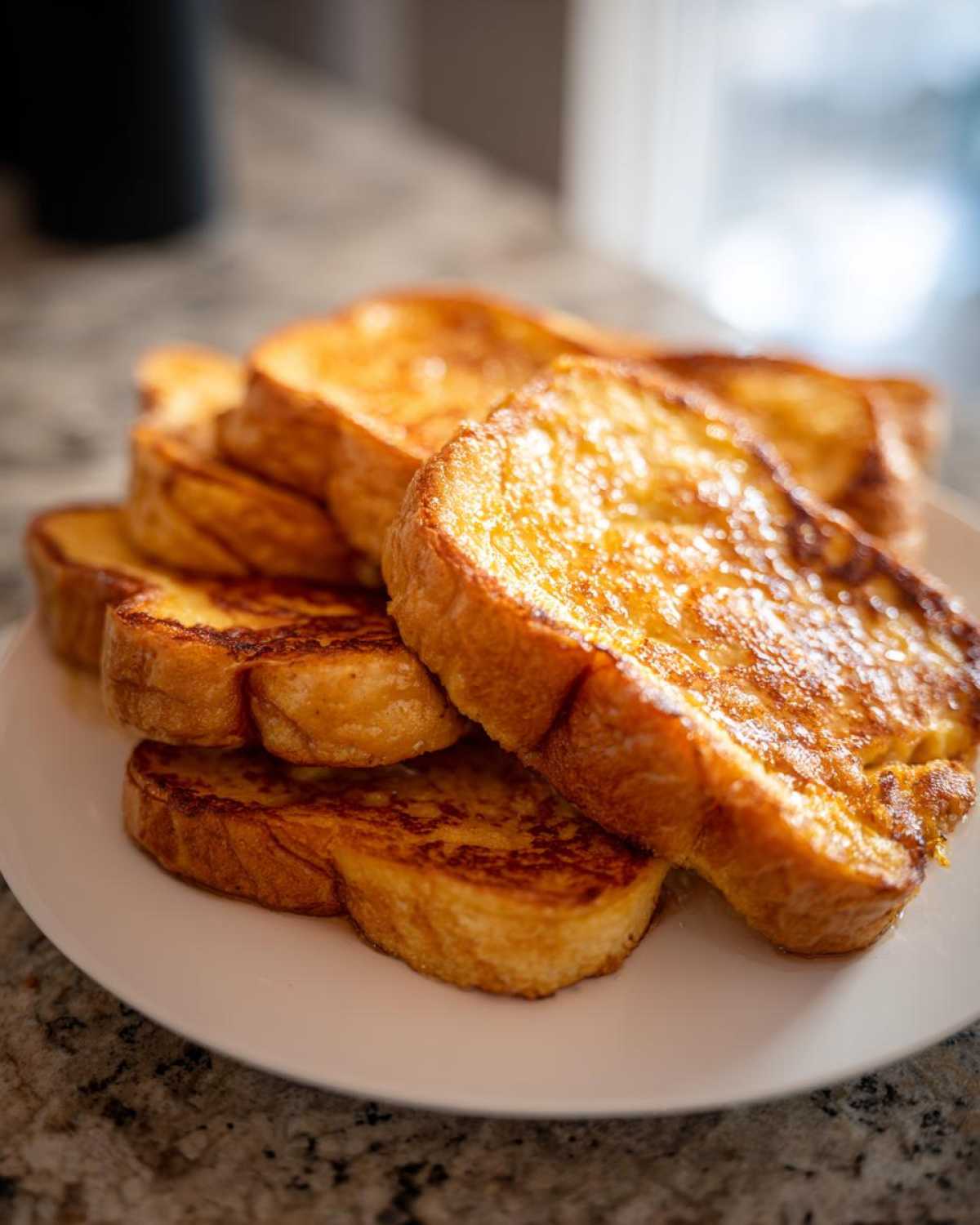
Heat control is your best friend. Get your skillet or griddle over medium-low heat. Seriously, medium-low! Too high, and the outside burns before the inside custard sets. Melt half of your butter until it just starts foaming. Lay the soaked bread down gently; they can’t be touching! Cook these beauties for about 4 to 5 minutes per side until they hit that perfect golden brown. If it’s browning too fast, pull that heat down immediately. Once they’re done, slide them onto a wire rack set over a baking sheet and tuck them in a warm oven (around 200°F) while you finish the rest. These are the best french toast tips we have for keeping batch one warm!
You can see the full step-by-step over at Clara’s site, which is a great resource for simple weekend breakfasts!
Tips for Next-Level French Toast Success
So, you’ve got the base down, but maybe you want to turn this Sunday staple into a real showstopper? That’s where Ben comes in—always ready to suggest a little structural sabotage for flavor improvement! For this french toast to really sing, try adding a tiny bit of fresh orange zest directly into your egg custard base; that bright citrus cuts through the richness of the cream just perfectly. It’s such a simple move, but wow, does it elevate the whole experience.
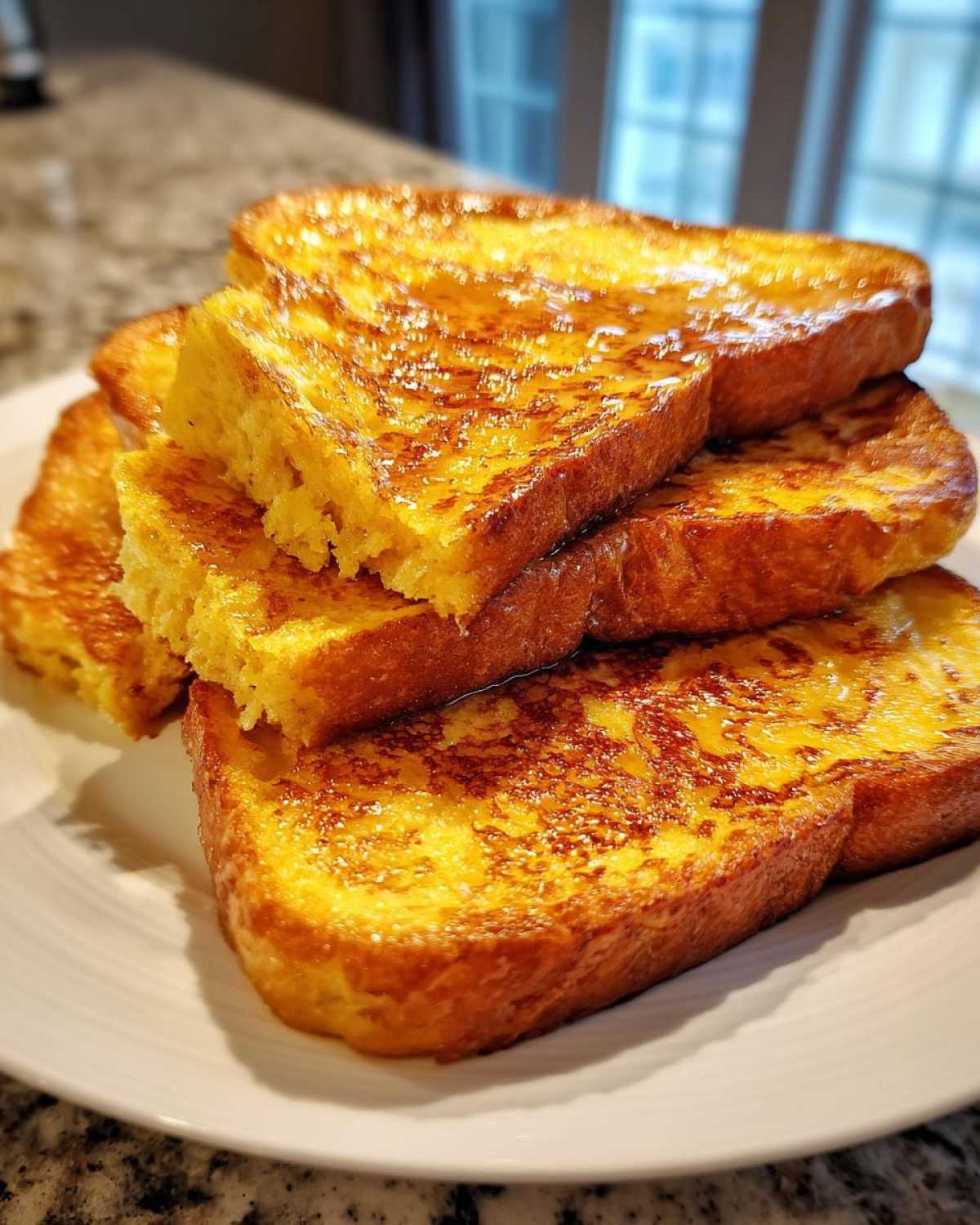
Another thing I swear by is adding a touch of maple syrup—maybe a tablespoon—right into the custard mix itself, not just serving it on top. It helps caramelize slightly when it hits the pan. Also, never skip the warming oven trick I mentioned before! Leftover slices tend to get sad and floppy fast, but keeping them warm on a rack allows any residual moisture to evaporate, ensuring the next slice you pull out is just as perfect as the first. If you want to see how others handle upgrades, check out the insights from the crew over at Modern Honey!
Make Ahead French Toast and Storage Options
I know, I know. Sometimes even 30 minutes is too much when you’re trying to pull off an easy brunch! While this classic recipe is designed to be made right when you need it for those crisp edges, people are always asking about the make ahead french toast options, like those amazing overnight french toast bake casseroles you see everywhere. For this classic stovetop version, you can definitely prep the soaking part ahead of time—just stick your bread-soaked-in-custard slices on a parchment-lined baking sheet, cover tightly, and keep them in the fridge for up to 12 hours.
When you’re ready to cook, let them sit on the counter for about 15 minutes to take the chill off, and then cook almost as normal, maybe adding an extra minute or two per side since they start colder. If you have leftovers, don’t just microwave them! That’s recipe for spongy disaster. Cool them completely on a rack first, then store them in the fridge. To reheat the french toast later, crisp them up again in a dry skillet over medium heat, or run them through a toaster oven for a few minutes. That brings back the texture brilliantly! For more make-ahead inspiration, check out the genius bake ideas over at Lilluna.
Serving Suggestions for Your Amazing French Toast
Now that you’ve mastered the technique and created this perfect breakfast, what do you do with it? You want toppings that match the effort you put in! Obviously, a heavy pour of pure maple syrup and a generous dusting of powdered sugar is the absolute classic move. But since we’re aiming for those easy brunch recipes that impress, think of it as a canvas for gourmet breakfast moments.
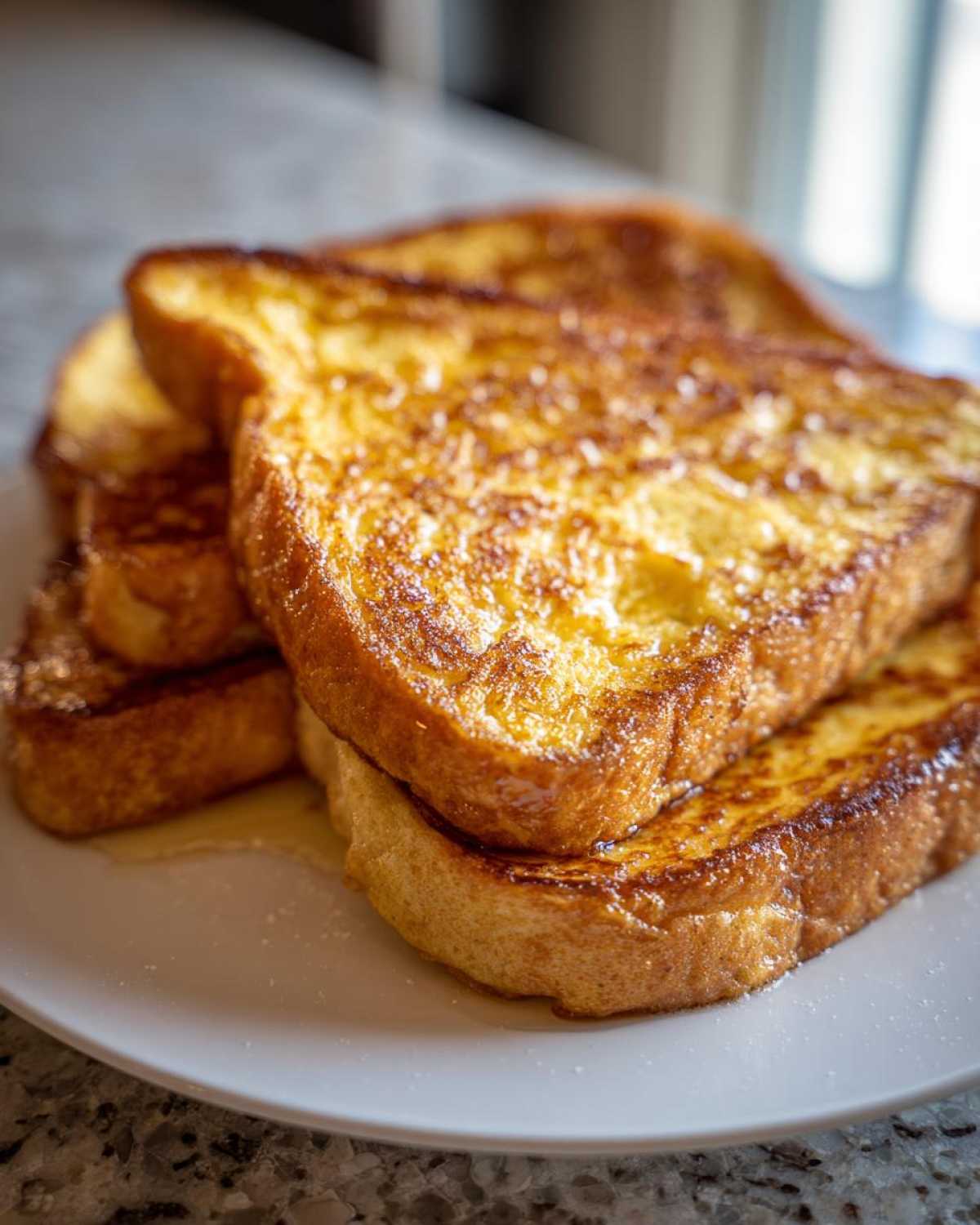
Try a side of sautéed cinnamon apples or maybe a dollop of lemon curd for a tangy counterpoint. Trust me, serving this incredible french toast alongside crispy homemade bacon elevates any weekend breakfast ideas instantly. Ready to see what others are pairing? Check out the inspiration over at All Mom Recipes and get creative!
Frequently Asked Questions About Making French Toast
It happens every time we share a recipe—people have questions, and honestly, I love that! That means you’re really thinking about how to make this the best breakfast possible. When Ben and I were testing the limits of this recipe, we ran into a few snags, so I’m happy to share the solutions we found for your classic french toast adventures.
Can I use regular sandwich bread for french toast?
Oh, you technically *can*, but I wouldn’t recommend it if you want that rich, thick bite. Regular sandwich bread is just too thin and usually too fresh! If you use it, you have to soak it for just a second on each side—like, Blink-and-you-miss-it quick—or you end up with mushy bread. For that truly glorious, custardy french toast center, you really, really need that thick-cut, day-old bread like challah or brioche. That thickness buys us time in the pan!
What is the best way to keep french toast warm?
This is crucial for feeding a crowd during your easy brunch recipes session! You cannot stack the cooked slices on top of each other; they will steam and lose all those beautiful crispy french toast edges we worked so hard for. The absolute best way—and what we always do—is transfer the cooked slices onto a wire rack that’s set over a baking sheet. Pop that whole setup into a low oven, like 200°F. This lets air circulate all around each piece while keeping them perfectly toasty until you’re ready to serve your fantastic french toast.
How do I make this recipe dairy-free?
Good question! Since our custard relies heavily on the fat for richness, you can’t just swap in skim milk and call it a day. For a dairy-free version that still rocks, I suggest swapping the heavy cream with thick, full-fat canned coconut cream—it adds that lovely texture back in. Then, use your favorite unsweetened almond or soy milk to replace the regular milk. It gives you great results for a satisfying, plant-based french toast!
Nutritional Estimate for This French Toast
Okay, so we’re making breakfast that tastes like a million bucks, but how does it stack up nutritionally? Remember, Noah generates these numbers in the lab, so they are solid estimates based on the ingredients we listed for this classic french toast recipe. Use these figures as a guide, because toppings change everything!
- Serving Size: 2 slices
- Calories: 350
- Sugar: 15g
- Sodium: 300mg
- Fat: 18g
- Saturated Fat: 8g
- Carbohydrates: 35g
- Protein: 14g
This calculation is based purely on the bread, custard components, and the butter used for cooking. Once you start drowning it in syrup or adding cream cheese filling, those numbers are going to jump, but that’s part of the fun of a great weekend breakfast, right? Don’t count the calories; count the smiles!
Share Your Perfect French Toast Results
We poured all our recipe-rescuing energy into making this the definitive recipe for classic french toast, and honestly, Ben and I can’t wait to hear what you think! Did you finally achieve that perfect, shatteringly crisp edge? Was the center so custardy it felt decadent? Don’t keep that breakfast glory to yourself!
Head over to our blog section at Savor And Pin, leave a comment letting us know how it went, and drop a star rating below this recipe. Seriously, your feedback helps us keep the promise to only share recipes that never let you down. If you snap a photo of your golden-brown masterpieces—especially if you tried one of our zesty additions—tag us! We absolutely love seeing your successes. Happy Brunching!
PrintThe Absolute Best Classic French Toast Recipe

Follow our foolproof guide to making the best classic French toast with crispy edges and a rich, custardy center every time. This recipe fixes common failures for truly exceptional breakfast results.
- Prep Time: 10 min
- Cook Time: 20 min
- Total Time: 30 min
- Yield: 4 servings
- Category: Breakfast
- Method: Pan Frying
- Cuisine: American
- Diet: Vegetarian
Ingredients
- 8 thick slices of day-old bread (Challah or Brioche recommended)
- 4 large eggs
- 1/2 cup heavy cream
- 1/4 cup whole milk
- 1 teaspoon vanilla extract
- 1 teaspoon ground cinnamon
- 1/4 teaspoon ground nutmeg
- 1 tablespoon granulated sugar
- Pinch of salt
- 2 tablespoons unsalted butter, for cooking
Instructions
- Prepare your bread: Use thick slices of bread that are slightly stale. This helps the bread absorb the custard without falling apart.
- Whisk the custard: In a shallow dish, whisk together the eggs, heavy cream, milk, vanilla extract, cinnamon, nutmeg, sugar, and salt until fully combined.
- Soak the bread: Dip each slice of bread into the custard mixture. Allow it to soak for about 20 to 30 seconds per side for a custardy center. Do not over-soak if using fresh bread.
- Heat the pan: Place a large non-stick skillet or griddle over medium-low heat. Add half of the butter and let it melt until it foams slightly. Low and slow cooking is key for a custardy interior.
- Cook the toast: Place the soaked bread slices onto the hot skillet, ensuring they do not touch. Cook for 4 to 5 minutes per side until golden brown and cooked through. Adjust heat if the outside browns too quickly.
- Keep warm: Transfer cooked French toast to a wire rack set over a baking sheet and keep warm in a low oven (about 200°F) while you cook the remaining slices.
- Serve immediately with your favorite toppings like maple syrup and powdered sugar.
Notes
- For the best texture, use bread that is at least one day old. Stale bread absorbs the custard better without becoming mushy.
- If you want extra crispy edges, lightly brush the cooked sides with a tiny bit more melted butter just before the final flip.
- For a richer custard, substitute half of the milk with half-and-half.
Nutrition
- Serving Size: 2 slices
- Calories: 350
- Sugar: 15
- Sodium: 300
- Fat: 18
- Saturated Fat: 8
- Unsaturated Fat: 10
- Trans Fat: 0
- Carbohydrates: 35
- Fiber: 2
- Protein: 14
- Cholesterol: 180