

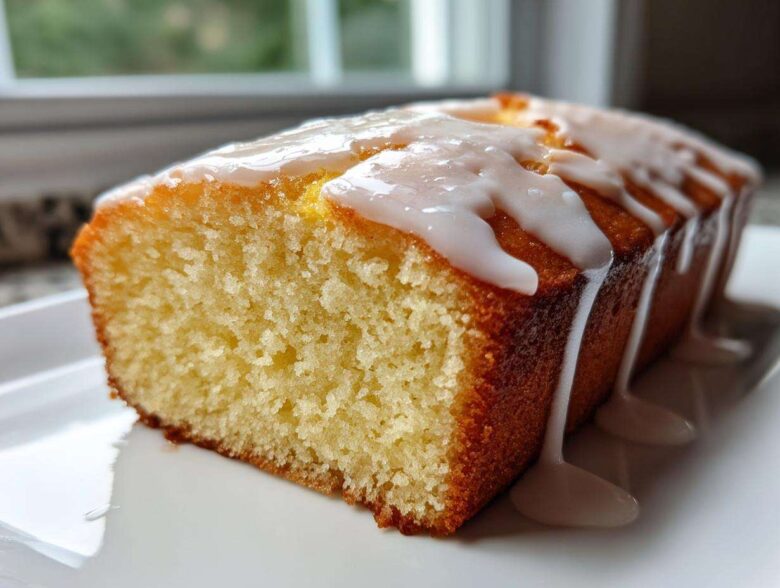
Oh my gosh, do you ever get so excited about a dessert only to have it turn out drier than the Sahara? I’ve been there, holding a slice of what was supposed to be beautiful, bright cake, and just feeling completely defeated. That’s why when we tackle a classic like the lemon pound cake, we don’t mess around. We need it moist, we need that tangy pop, and it needs to be easy enough that you don’t panic halfway through. Here at Savor And Pin, our entire mission, kicked off by that time Ben almost threw a lasagna out the window, is to take those promising but broken recipes and fix them until they sing. This specific recipe is our absolute victory lap for citrus baking; it’s the foolproof version that actually keeps its moisture. If you want to know more about how we break things down and rescue them, check out our story over at the Savor And Pin headquarters.
Why This Moist Lemon Pound Cake Recipe Works (The Fix)
So, why do so many recipes for a perfect lemon pound cake fail? Usually, it’s because they miss two major things: building layers of flavor and ensuring deep, lasting moisture. We’ve fixed both those issues right here. This isn’t just some basic moist lemon pound cake recipe; it’s engineered. Our secret weapon against dryness is twofold: we use full-fat sour cream in the batter, and then, Noah insisted on a warm soaking syrup brushed over the cake right out of the oven.
That syrup penetrates before the crumb firms up, locking in moisture. It’s the key to making this the ultimate zesty lemon dessert that stays tender for days. We want you to bake something you’re proud of, every single time.
Secrets to a Tender Crumb in Your Lemon Pound Cake
For the fluffiest texture possible, you cannot rush the mixing. Those eggs and that soft butter need to be creamed together for a full five minutes until they look pale and almost fluffy. Seriously, stop when you think it’s done, and then beat it for another minute. Also, make sure your eggs and sour cream are at room temperature. Cold ingredients seize up when they hit the creamed fat, and that immediately creates a tighter, less tender crumb structure. It’s kitchen science, folks!
Achieving Maximum Zest in Your Lemon Pound Cake
You need tang, right? You can use all the lemon juice in the world, but the real flavor punch comes from the zest. My rule is simple: always zest *before* you juice. We mix that bright yellow zest right into the sugar and butter first. Why? Because the oils in the zest dissolve beautifully into the fat, infusing every single molecule of this buttery lemon cake with sunshine.

Gathering Ingredients for Your From Scratch Lemon Pound Cake
Okay, now that you know this recipe is a winner—a true fix for the dry cake epidemic—it’s time to shop! Because this is a from scratch lemon pound cake, the quality of the simple ingredients really shines through. Remember what I said about room temperature? That’s so important here, especially for the eggs and that gorgeous full-fat sour cream. Don’t be tempted to shortcut that step; it’s crucial for a perfect lemon pound cake structure that stays incredibly moist.
Ingredients for the Classic Lemon Pound Cake Batter
You’ll need a few things before you start creaming that butter. Remember to pull out your eggs and sour cream early so they aren’t ice-cold when you go to mix them in. Here is the main lineup:
- 1 cup (2 sticks) unsalted butter, nicely softened
- 3 cups granulated sugar (yes, all that sugar helps with moisture—don’t worry!)
- 4 large eggs, honestly, make sure they are at room temperature
- 1 tablespoon lemon zest (get super zesty, about 2 whole lemons should do it)
- 1/4 cup fresh lemon juice (for mixing in the batter)
- 1 cup full-fat sour cream, also at room temperature!
- 3 cups all-purpose flour
- 1 teaspoon baking powder
- 1/2 teaspoon salt
Components for the Soaking Syrup and Tangy Lemon Icing
Don’t forget the magic elements that go on *after* the baking! These two parts are what separate this from a regular cake. We are going for maximum brightness here, thanks to that concentrated drizzle and the final tangy lemon icing.
- For the Syrup: 1/4 cup fresh lemon juice and 1/2 cup granulated sugar.
- For the Glaze: 1 1/2 cups powdered sugar and 3 tablespoons fresh lemon juice (you might need a tiny bit more for perfect drizzling consistency).
Step-by-Step Instructions for the Easy Lemon Pound Cake
Alright, here’s where the magic actually happens. Follow these steps exactly—and I mean exactly—and you are going to end up with the most incredibly moist lemon pound cake you’ve ever pulled out of your oven. We designed this whole process to be nearly foolproof, even if you usually struggle achieving that perfect, tender crumb. Remember, baking is a science, but we’ve translated the hard parts into a super straightforward set of instructions for your baking adventure!
Preparing the Pan and Creaming the Lemon Pound Cake Base
First things first: grease and flour your 10-inch tube or Bundt pan really well. I mean, get into every nook and cranny! We do not want this beauty sticking once it’s done. For the batter base, you need that electric mixer running for a solid five minutes while you beat that softened butter and the 3 cups of sugar. Don’t skimp here! That five-minute creaming time whips in the necessary air pockets, which is absolutely essential before we even think about adding the eggs. It should look visibly lighter and fluffier when you stop.
Mixing the Batter and Baking Your Lemon Pound Cake
Next, beat those room-temperature eggs in one by one, making sure each egg is totally incorporated before you add the next splash of lemon and zest. Now, in a separate bowl, whisk your dry stuff—flour, baking powder, salt. Here’s the critical part for a great cake finish: Add the dry ingredients in three batches, alternating with the sour cream. But and this is a big but—you must mix only until the streaks of flour disappear. Overmixing develops gluten, and gluten is the enemy of the lemon loaf cake texture we are aiming for. Bake this tender batter at 325°F (160°C) for a good long while, usually 70 to 85 minutes.
Applying the Soaking Syrup to the Hot Lemon Pound Cake
This is Noah’s favorite part, because it’s pure, delicious science. While the cake is baking, quickly heat up the syrup ingredients—just until the sugar melts into the lemon juice. As soon as you pull that gorgeous lemon pound cake out of the oven, grab a skewer, poke holes all over it, and brush or drizzle that warm syrup right over the top. Don’t be shy! This hot cake acts like a sponge, soaking up every last bit of that sweet, zesty liquid. Let it sit in the pan for about 15 minutes before you try to flip it out onto a cooling rack.
Finishing Your Lemon Pound Cake with Glaze
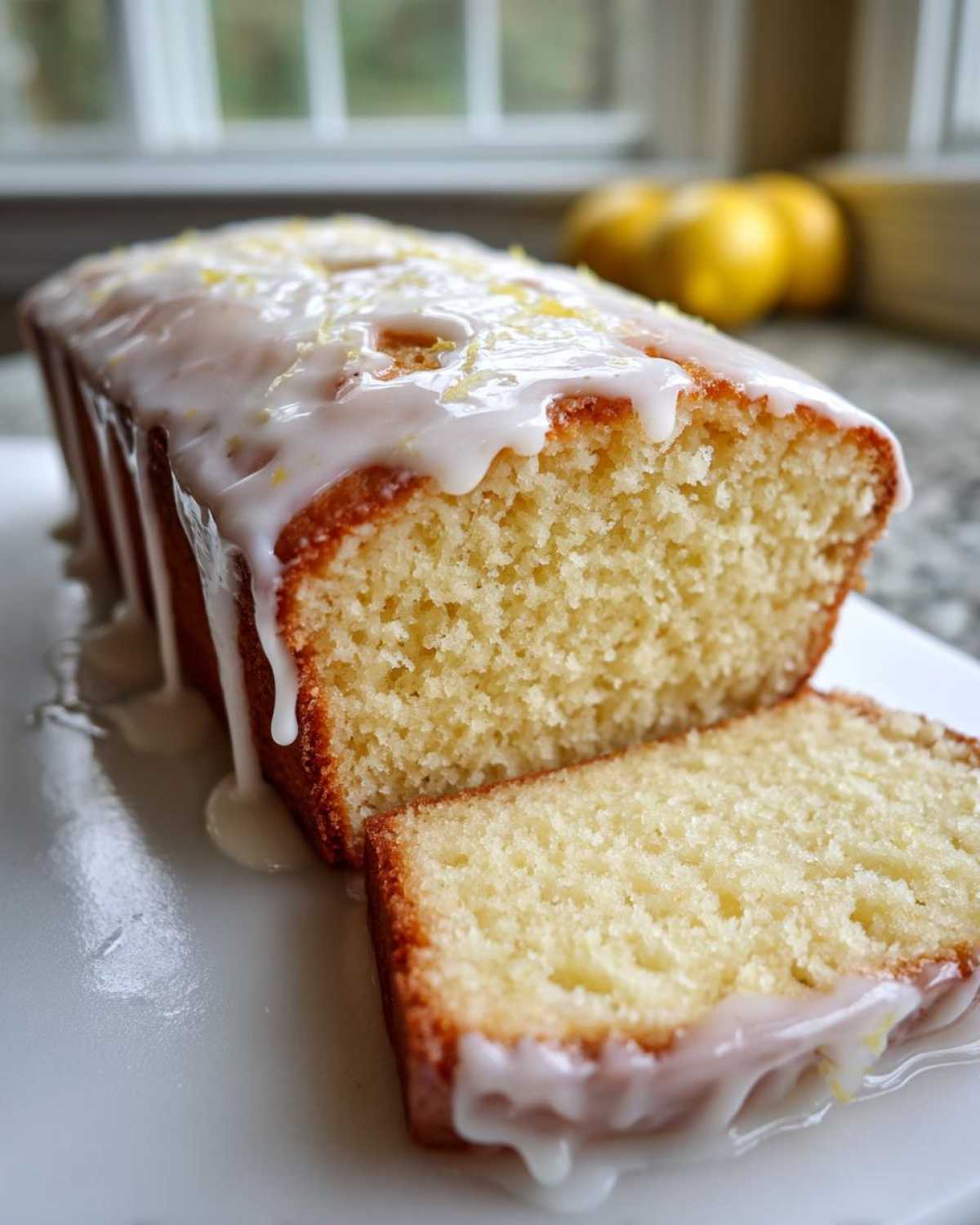
Once it’s completely cool—and I mean stone cold—it’s time for the grand finale! This is where we complete the look of our glorious lemon pound cake with glaze. Whisk together the powdered sugar and the final 3 tablespoons of lemon juice until you get a smooth stream. If it’s too thick to pour nicely, add a tiny splash more juice. If it looks watery, add a dollop more powdered sugar. Drizzle it everywhere! It’s beautiful seeing that white glaze drip down the sides. Let that set up for about 30 minutes before you slice into this amazing, homemade dessert.

Tips for the Best Lemon Cake Ever
Listen, even the most perfect recipe can sometimes go sideways if the physics of your oven or pan are a little different. That’s why Ben and I always include these contingency plans! We want you to succeed, and making sure you know how to adjust for different cookware is a huge part of our rescue mission. We’ve got you covered whether you’re aiming for a classic Bundt shape or want to make individual treats.
Pan Variations for Your Lemon Pound Cake
This recipe is a powerhouse, meaning it handles different pan shapes like a champ. If you skip the Bundt pan and opt for a standard 9×5 inch loaf pan, you need to plan for at least 15 to 20 minutes of extra baking time. Because the batter is deeper in a loaf, heat takes longer to travel to the center. So, start checking around the 85-minute mark. Also, if you are using loaf pans, definitely line them with parchment paper with handles hanging over the sides. Trust me, Ben learned that lesson the hard way once, and clean-up was not fun!
The other note from our files is about the Bundt pan itself, which is what we prefer for that gorgeous look. If you’re using one, take extra care greasing and flouring it—no shortcuts! That high-sugar, dense batter loves to stick if you get lazy on that first step. We tested this extensively, and using the right preparation means your beautiful buttery lemon cake comes out clean every time.
Serving Suggestions for This Zesty Lemon Dessert
Now that you’ve mastered the best lemon cake ever, the fun part is figuring out how to serve it! Because this is such a bright and zesty treat, it really shines on its own, making it the perfect simple lemon dessert. But if you want to dress it up for company, I have a couple of ideas that work beautifully. It’s absolutely heavenly served slightly warm with a scoop of vanilla bean ice cream that’s just starting to melt around the edges.
For me, though, this cake screams high tea. It is the perfect afternoon tea cake, served in neat slices alongside a strong cup of black tea or maybe even a light sparkling lemonade. If you want a savory accompaniment to cut through the sweetness before serving, you absolutely must try these amazing lemon garlic roasted potatoes we perfected last spring—they share that bright citrus note!
Storage and Reheating Instructions for Lemon Pound Cake with Glaze
The best news about this recipe? It actually gets better a day later! Because we drenched this cake in that soaking syrup, it stays incredibly moist way longer than your standard bake. We want to protect that work, especially with the glaze on top, so storage is pretty simple.
Once the glaze is set—and I mean *fully* set, otherwise it’ll smudge everywhere—you need to wrap it up tight. Don’t just toss it in a plastic container uncovered, or you’ll wake up to a stale cake. I actually prefer wrapping individual slices tightly in plastic wrap before putting them in an airtight container. This prevents any air trickling in and keeps that wonderful, moist texture locked in the cake.
Your lemon pound cake with glaze should easily last on the counter, covered, for about three full days at room temperature. Since we used full-fat ingredients and that syrup soak, you don’t typically need to refrigerate it, and frankly, the cold air can actually start to dry things out once the glaze is there.
If you’re worried about leftovers lasting longer than that, you can freeze it! Wrap the unglazed cake extremely well, or wrap the glazed pieces individually, and place them in a freezer bag. It’s fantastic straight out of the freezer too, honestly! If you do need to reheat a slice that’s been sitting for a couple of days, just zap it for about 8 to 10 seconds in the microwave. It softens everything right up, and it tastes almost freshly baked again. That juicy interior holds up really well!
Frequently Asked Questions About Making Lemon Pound Cake
I know you might have a couple more questions swirling around once you start gathering your ingredients. That’s totally normal! Baking is better when you feel confident, and that’s what we’re here for—to clear up any little doubts so you can focus on making this the best lemon cake ever. We took a good look at what everyone asks online about these recipes, especially about getting that perfect texture and zing.
Can I make this lemon pound cake recipe without sour cream?
That is a really common question, especially if you don’t keep sour cream on hand. The sour cream is doing two big jobs here: it adds incredible moisture because of its fat content, and it brings a nice subtle tanginess that balances all that sugar. If you absolutely have to skip it, your best bet for a close substitute is plain, full-fat yogurt or even buttermilk, but you might need to adjust your flour slightly if you use buttermilk, as it’s thinner.
Noah warns that while those substitutes work, they don’t quite match the richness that the high-fat sour cream gives the finished product. You’ll still end up with a good homemade lemon cake, but maybe not *quite* as luxuriously moist. Just a heads up!
How do I ensure my tangy lemon icing sets correctly?
Ah, the glaze toss-up! Too thin, and it just runs straight off into the baking sheet without looking pretty; too thick, and you get lumps. The key here is patience and controlling your liquid ratio when you mix it. We start with 1 1/2 cups of powdered sugar and 3 tablespoons of juice.
If you want a thick, opaque glaze that sits high on the cake and sets up nicely, use that measurement, and then add only a few *drops* more juice until it’s just pourable. If you want a thinner drizzle that soaks into the cake a bit more—less of a set shell—you might need up to 4 tablespoons of juice total. Whisk it slowly! You can always add a little more liquid, but you can’t easily take it away once it’s too thin. We want that bright, shiny finish on your delicious lemon dessert!
Estimated Nutritional Information for Your Lemon Pound Cake
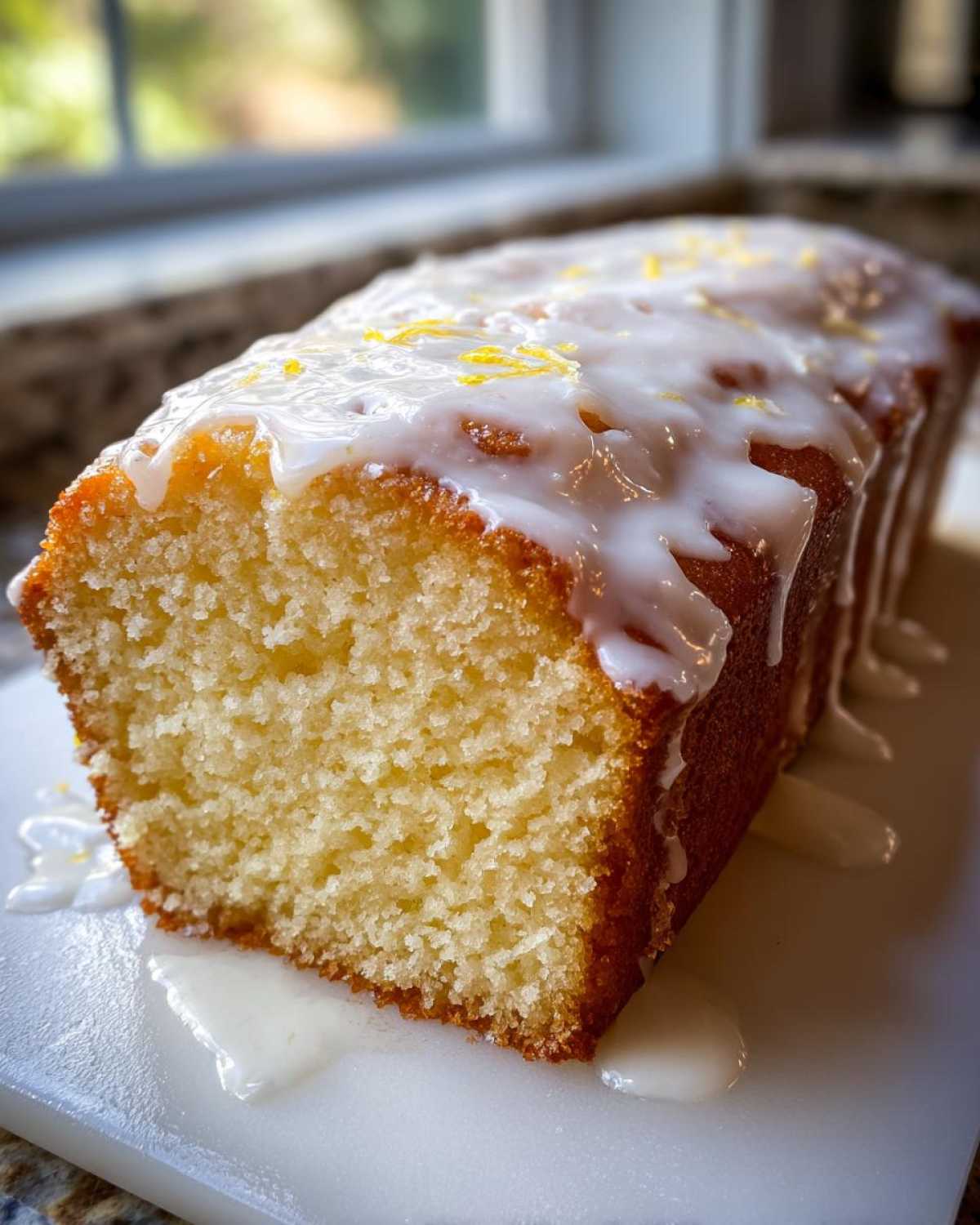
Okay folks, here’s the breakdown for those of you watching the numbers! Ben insists we include this sort of thing, even though I argue that one slice of this glorious, moist cake is worth all the calories anyway. Remember, since this is a homemade lemon cake, these are our best educated guesses based on standard recipe ingredient calculations.
These estimates are for one slice, assuming you get 10 lovely servings out of the finished loaf or Bundt cake. If you cut ten massive wedges worthy of a fancy bakery, the numbers will shift, obviously. But for a standard, generous portion of this classic pound cake recipe, here’s what you’re looking at:
- Serving Size: 1 slice
- Calories: 450
- Sugar: 45g
- Total Fat: 25g (15g Saturated)
- Carbohydrates: 58g
- Protein: 5g
- Sodium: 180mg
- Cholesterol: 90mg
It’s a rich cake, no doubt about it—that butter and sugar combo is what makes it so incredibly delicious and tender! But when you make it from scratch, you control the quality, and frankly, you deserve every single bit of that 450 calories for this spectacular zesty lemon dessert!
Share Your Perfect Lemon Pound Cake Creations
So there you have it! I truly hope you give this recipe a try because I can honestly say this is the version of lemon pound cake that finally defeated the dry bake curse. We took this simple concept—a beautiful citrus cake—and rescued it until it was worthy of being called the best. Ben and Noah are already arguing over which recipe we should fix next, probably some ancient casserole that needs serious flavor intervention!
But before you go running off to investigate weird vintage recipes, I need you to promise me something. If you make this, please come back and tell us how it went! Leave a rating right here on the page so others know this isn’t just another broken promise baking recipe. We thrive on knowing our fixes actually work for you.
If you snap a picture of your glistening, glazed creation—and you absolutely should, because this lemon pound cake with glaze is stunning—tag us on social media! Seeing your versions is the best part of this whole mission. And hey, if you have any burning questions while you’re whipping up that batter, or if you want to suggest a recipe we should rescue next, don’t hesitate to reach out through our contact page here. We love hearing from you!
PrintClassic Moist Lemon Pound Cake with Tangy Glaze

We fixed the common pitfalls of lemon pound cake recipes to bring you a truly moist, zesty, and foolproof cake with a bright, tangy icing. This is the best lemon cake ever, made from scratch.
- Prep Time: 20 min
- Cook Time: 80 min
- Total Time: 100 min
- Yield: 10 servings
- Category: Dessert
- Method: Baking
- Cuisine: American
- Diet: Vegetarian
Ingredients
- 1 cup (2 sticks) unsalted butter, softened
- 3 cups granulated sugar
- 4 large eggs, room temperature
- 1 tablespoon lemon zest (from about 2 lemons)
- 1/4 cup fresh lemon juice
- 1 cup full-fat sour cream, room temperature
- 3 cups all-purpose flour
- 1 teaspoon baking powder
- 1/2 teaspoon salt
- 1/4 cup fresh lemon juice (for soaking syrup)
- 1/2 cup granulated sugar (for soaking syrup)
- 1 1/2 cups powdered sugar (for glaze)
- 3 tablespoons fresh lemon juice (for glaze)
Instructions
- Preheat your oven to 325°F (160°C). Grease and flour a 10-inch tube or Bundt pan thoroughly.
- In a large bowl, cream the softened butter and 3 cups of sugar together with an electric mixer until the mixture is light and fluffy, about 5 minutes. This step builds necessary air for a tender crumb.
- Beat in the eggs one at a time, mixing well after each addition. Mix in the lemon zest and 1/4 cup of lemon juice.
- In a separate medium bowl, whisk together the flour, baking powder, and salt.
- Add the dry ingredients to the wet ingredients in three additions, alternating with the sour cream, beginning and ending with the flour mixture. Mix only until just combined; do not overmix.
- Pour the batter into the prepared pan and smooth the top. Bake for 70 to 85 minutes, or until a wooden skewer inserted into the center comes out clean.
- While the cake bakes, prepare the soaking syrup: In a small saucepan, combine the 1/4 cup lemon juice and 1/2 cup sugar. Heat gently until the sugar dissolves completely. Set aside.
- Immediately after removing the cake from the oven, poke holes all over the top surface using a skewer or toothpick. Slowly brush or drizzle the warm soaking syrup over the entire top of the hot cake. Let the cake cool in the pan for 15 minutes.
- Invert the cake onto a wire rack set over a baking sheet to catch drips. Let the cake cool completely.
- Prepare the tangy lemon icing: Whisk together the powdered sugar and 3 tablespoons of lemon juice until smooth. Add more powdered sugar for a thicker glaze or more juice for a thinner one.
- Drizzle the glaze generously over the cooled cake. Let the glaze set before slicing and serving your homemade lemon cake.
Notes
- For the moistest results, make sure your eggs and sour cream are at true room temperature before mixing.
- If you prefer a loaf cake, use a standard 9×5 inch loaf pan and increase the baking time by about 15-20 minutes, checking for doneness carefully.
- This recipe works well as a lemon bundt cake; just ensure your pan is very well greased and floured.
Nutrition
- Serving Size: 1 slice
- Calories: 450
- Sugar: 45
- Sodium: 180
- Fat: 25
- Saturated Fat: 15
- Unsaturated Fat: 10
- Trans Fat: 0
- Carbohydrates: 58
- Fiber: 1
- Protein: 5
- Cholesterol: 90