

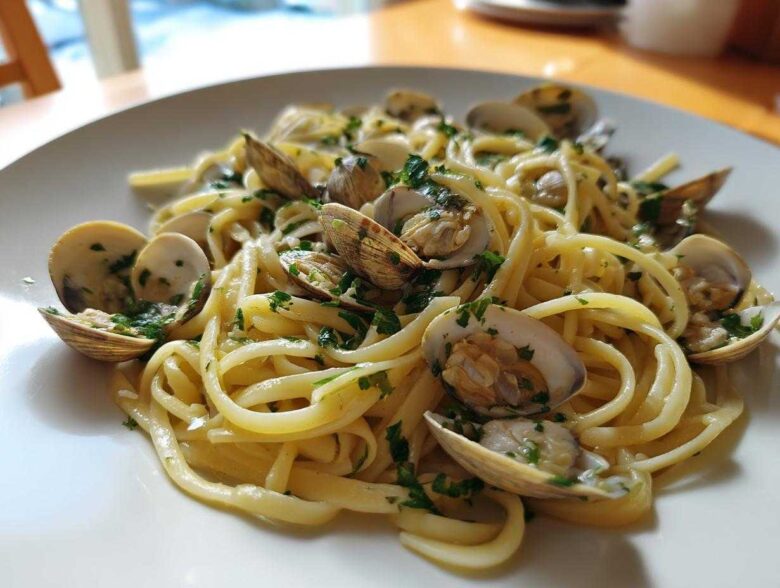
Oh, that intoxicating smell! Nothing screams ‘I’ve made something truly special’ quite like a plate piled high with steaming seafood pasta. Forget those heavy, gloppy sauces you sometimes get; when it comes to Italian seafood, simplicity is king, and this dish proves it. We are diving headfirst into the absolute best Linguine and Clams you will ever tackle—the classic *Alle Vongole in Bianco* using that bright, garlicky white wine sauce. Honestly, mastering this recipe changed my weeknight dinners forever. It feels fancy, but trust me, after you nail the technique for cleaning the clams and getting that sauce to emulsify just right, you’ll be whipping this up faster than you can decide what wine to serve with it. Prepare yourself for incredible flavor!
Why This Is The Ultimate Linguine and Clams Recipe
I’ve tried the red sauce versions, and while they are good, this white wine classic is where the real magic happens. I promise you, this specific recipe focuses on technique so you get maximum clam flavor without a fuss. It’s the pure, authentic taste that makes you feel like you’re right on the Amalfi coast!
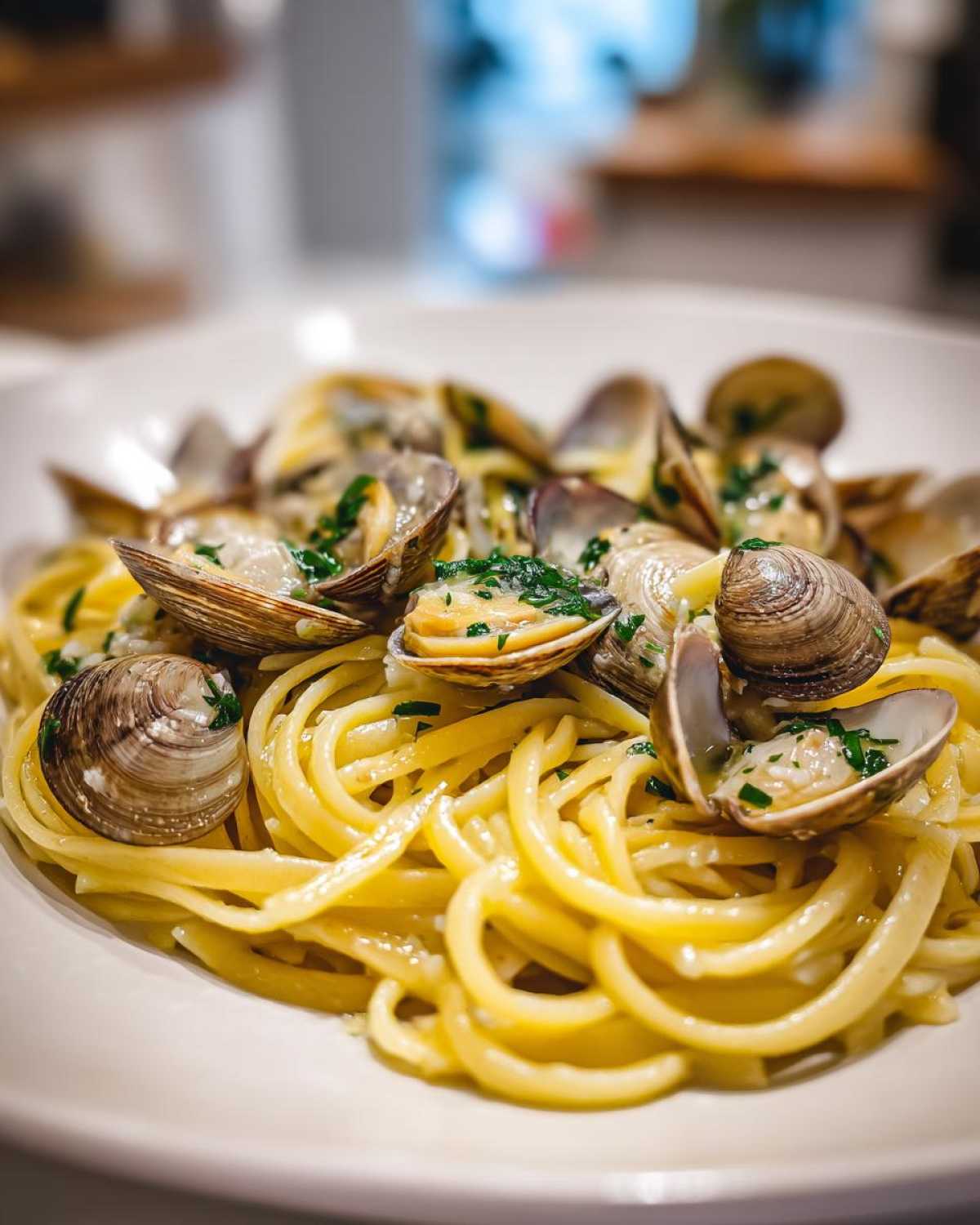
- It relies on fresh ingredients—no masking flavors here!
- The sauce is incredibly bright, thanks to the wine and garlic base.
- We use the secret weapon: reserving starchy pasta water to bind everything.
Quick Prep for Perfect Linguine and Clams
Seriously, who has all evening? The best part about this Linguine and Clams is that it comes together in about 35 minutes total. That means you can absolutely make this after work on a Tuesday. It’s my go-to for a quick seafood pasta dinner that tastes like it took hours!
Essential Ingredients for Authentic Linguine and Clams
When you make Linguine and Clams, the flavor comes almost entirely from the quality of your few ingredients. You can’t hide behind mountains of cheese or cream here, which is why we always splurge a little on the main players. You’ll need about three pounds of fresh littleneck clams—and please, make sure they are absolutely vibrant and fresh!
We use good quality extra virgin olive oil, six cloves of garlic sliced super thin so they perfume the oil without burning, and just a whisper of red pepper flakes for a little heat. And listen, any dry white wine works for the sauce, but I usually grab the same type I’m planning to drink—Pinot Grigio is my usual happy medium here.
Ingredient Notes and Substitution Tips for Linguine and Clams
The most important step before anything hits the heat? Checking those clams! If they are open and don’t snap shut when you tap them hard on the counter, toss them. They’re dead, and nobody wants that in their Linguine and Clams.
Also, don’t skip the clam juice—it’s intense flavor insurance! If you are truly craving that heavier, sweeter profile, you can add about a half cup of crushed canned tomatoes when you add the clam juice. That gives you the *alle vongole in rosso* style, but I stand by the bright, clean flavor of the white wine version any day of the week!
How to Make Linguine and Clams: Step-by-Step Instructions
Okay, this is the main event! Once you know how to handle the clams, the rest is just good timing. Remember, the goal here is depth of flavor from the garlic and wine, not just steaming the clams. We are building sauce complexity right in the pan, so pay attention to what happens before and after you add the liquid, because that defines a true Linguine and Clams experience.
You want everything ready to go before you start cooking the aromatics—get your garlic sliced, parsley chopped, and wine poured. Once that garlic hits the oil, time slows down, so have your clams scrubbed and waiting by the stove!
Preparing the Clams and Pasta for Your Linguine and Clams
First things first, we cleanse the ocean out of those shells! Scrub every single shell under cold water. If a clam is gaping open and won’t close when you tap it, it’s already gone bad, so toss it without a second thought. Next, get that huge pot of water boiling for your linguine. Cook it until it’s just shy of done—what we call *al dente*. Crucially, scoop out at least a cup of that starchy pasta water before you drain it. That water is liquid gold for the sauce!
Building the Garlic White Wine Clam Sauce for Linguine and Clams
In your largest, deepest skillet (you need room for tossing!), gently warm that olive oil over medium heat. Add your sliced garlic and red pepper flakes. You are looking for pale gold, fragrant garlic—if it browns, it turns bitter, and you have to start over! Once it smells amazing, crank that heat up, toss in your scrubbed clams, and pour in the white wine. Cover it tight! Let them steam until they pop open—usually five to seven minutes works magic for Linguine and Clams.
Use a slotted spoon to scoop out the opened ones into a bowl. Keep that flavorful liquid in the pan! Add your clam juice to the pan liquid and simmer it down for three minutes. Taste it gently! That liquid is the heart of your sauce. Then, the drained pasta goes straight into the skillet to soak up all that goodness.
Tips for Achieving Restaurant Style Linguine and Clams Sauce
This is where we separate the good homemade pasta from the *wow, I need that recipe* pasta. The key to true Linguine and Clams sauce isn’t just the ingredients; it’s making that thin, flavorful liquid cling beautifully to every strand of pasta. You want the sauce to coat the linguine, not pool at the bottom of the bowl like soup, right?
If you want an extra layer of silkiness, right before you toss in the parsley, stir in two tablespoons of cold, unsalted butter. It melts into the wine and clam juice, giving you that unbelievable rich texture that coats everything perfectly. Don’t skip it if you want that high-end feel!
The Secret to Perfect Clam Sauce Consistency
Remember that starchy water we saved? That’s the magic glue. If your sauce seems too thin after you add the pasta, you introduce that hot, cloudy water one ladleful at a time, tossing constantly. The starch in the water binds with the olive oil and wine, creating a beautiful emulsion. That’s the true Linguine and Clams consistency everyone fights for!
Pairing Suggestions for Your Linguine and Clams Dinner
When you’ve made something as beautifully balanced as this Linguine and Clams, you don’t want heavy sides to compete with that fresh seafood taste. Think simplicity! For wine, stick with what you cooked with—a crisp Pinot Grigio or maybe a Vermentino. They cut right through the richness of the olive oil beautifully.
Keep the sides light. A basket of crusty Italian bread is totally mandatory for mopping up every last drop of that garlic wine sauce. A simple green salad dressed with only lemon juice and olive oil is perfect. That’s how the restaurants do it because it lets your Seafood Pasta Dinner shine!
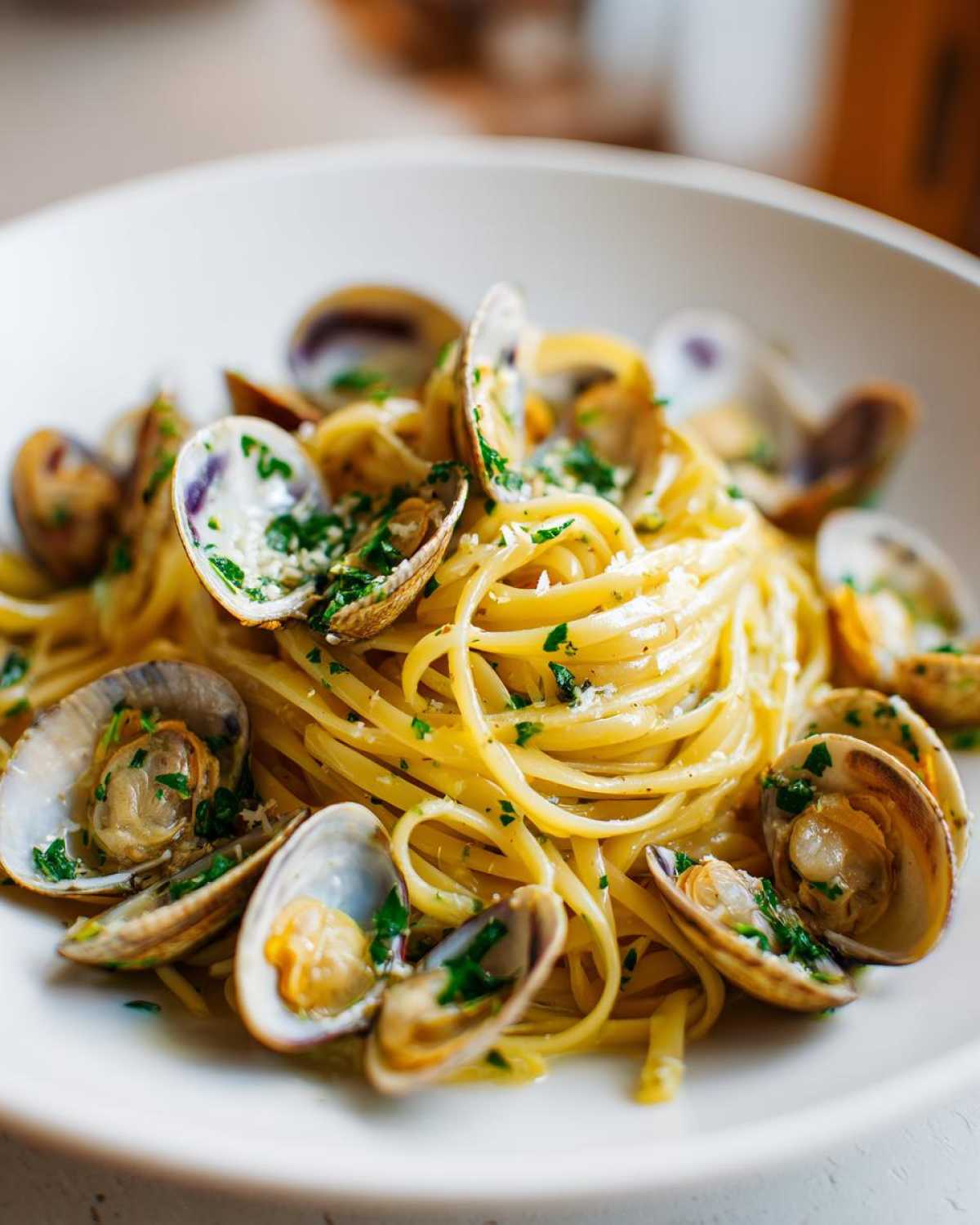
Storing and Reheating Leftover Linguine and Clams
This dish is best eaten the second it’s finished, let’s be honest! But if you happen to have leftovers of your incredible Linguine and Clams, store them in an airtight container. Don’t leave them sitting out! Clams are delicate, so try to eat this within a day or two maximum.
Reheating is tricky; the microwave just turns the pasta gummy. I always reheat mine in a skillet over medium-low heat with just a splash of white wine or reserved clam broth. Toss it constantly until everything is warmed through. It brings that sauce right back to life!
Frequently Asked Questions About Linguine and Clams
I get so many questions about taking the plunge into making Linguine and Clams at home! It feels intimidating, I know, but once these little details are sorted, you’ll be shocked how easy this Easy Linguine and Clams recipe truly is. Most people worry about the clams, so let’s clear that up right now!
Can I use spaghetti instead of linguine? Yes, you certainly can! I prefer linguine because its flat surface clings better to the sauce, but spaghetti or even fettuccine will work just fine for your Best Clam Sauce Pasta Recipe.
Can I use frozen clams for Linguine and Clams?
Honestly, I strongly advise against it for this classic white wine version. Frozen clams often release too much water when thawing, which immediately dilutes your beautiful Garlic White Wine Clam Sauce. Stick to fresh, live littlenecks if you want that pure, intense flavor!
What do I do if half my clams don’t open? If a clam hasn’t opened after seven minutes of steaming, it means it likely died before you cooked it. You should discard those. Don’t pry them open! That’s your cue that they weren’t good.
Can I use bottled clam juice instead of fresh wine? You can use the juice as insurance, as I mentioned, but you really need the acidity and flavor from the dry white wine to properly deglaze the pan and create that signature flavor profile for your Classic Linguine with Clams Recipe.
Nutritional Estimates for This Fresh Clam Pasta Dish
Now, I’m not one to sit and count calories when I’m having homemade pasta, but for those of you who like to keep track, here’s a ballpark idea for one serving of this Fresh Clam Pasta Dish. We’re looking at about 550 calories, with a good chunk coming from the pasta, of course. Remember, these numbers are just estimates, okay? They totally change depending on how much olive oil you decide to drizzle on top when you serve!
Share Your Perfect Linguine and Clams Experience
Wow, I hope you loved making this! Seriously, I want to know how your Linguine and Clams turned out. Did you use butter in the finish, or stick to the pure wine sauce? Head down to the comments and give this recipe a rating from one to five stars. Don’t be shy—tell me what you thought!
PrintClassic Linguine with Clams (Alle Vongole in Bianco)
Follow these steps to prepare authentic Linguine with Clams using a simple white wine and garlic sauce.
- Prep Time: 15 min
- Cook Time: 20 min
- Total Time: 35 min
- Yield: 4 servings
- Category: Dinner
- Method: Stovetop
- Cuisine: Italian-American
- Diet: Low Lactose
Ingredients
- 1 pound linguine pasta
- 3 pounds fresh littleneck clams, scrubbed
- 1/4 cup extra virgin olive oil
- 6 cloves garlic, thinly sliced
- 1/2 teaspoon red pepper flakes (or to taste)
- 1 cup dry white wine (like Pinot Grigio)
- 1 cup clam juice, low sodium
- 1/4 cup fresh parsley, chopped
- Salt and freshly ground black pepper to taste
Instructions
- Scrub the clams thoroughly under cold running water. Discard any clams that are open and do not close when tapped.
- Bring a large pot of salted water to a boil. Cook the linguine according to package directions until al dente. Reserve about 1 cup of the pasta cooking water before draining.
- While the pasta cooks, heat the olive oil in a large, deep skillet over medium heat. Add the sliced garlic and red pepper flakes. Cook for 2 to 3 minutes until the garlic is fragrant and lightly golden. Do not let it brown.
- Increase the heat to medium-high. Add the scrubbed clams and the white wine to the skillet. Cover tightly and cook for 5 to 7 minutes, shaking the pan occasionally, until all the clams have opened.
- Remove the lid. Use a slotted spoon to transfer the opened clams to a bowl, leaving the liquid in the skillet. Discard any clams that did not open.
- Add the clam juice to the skillet liquid. Bring the sauce to a simmer and cook for 3 minutes to reduce slightly. Taste the sauce and add salt and pepper if needed. Remember that clam juice is often salty.
- Add the drained linguine directly to the skillet with the sauce. Toss well to coat. If the sauce seems too dry, add some of the reserved pasta water, a splash at a time, until a light sauce coats the pasta.
- Return the cooked clams to the skillet. Add the chopped fresh parsley. Toss everything together for one final minute to heat through.
- Serve immediately in warm bowls, ensuring each serving gets plenty of sauce and clams.
Notes
- For a richer sauce, you can add 2 tablespoons of unsalted butter at the end when tossing the pasta.
- Always use fresh, live clams. If you cannot find fresh clams, use bottled clam juice, but reduce the added salt.
- If you prefer a red sauce version (alle vongole in rosso), add 1/2 cup of crushed canned tomatoes with the clam juice.
Nutrition
- Serving Size: 1 serving
- Calories: 550
- Sugar: 4
- Sodium: 650
- Fat: 15
- Saturated Fat: 2
- Unsaturated Fat: 13
- Trans Fat: 0
- Carbohydrates: 75
- Fiber: 4
- Protein: 30
- Cholesterol: 60