

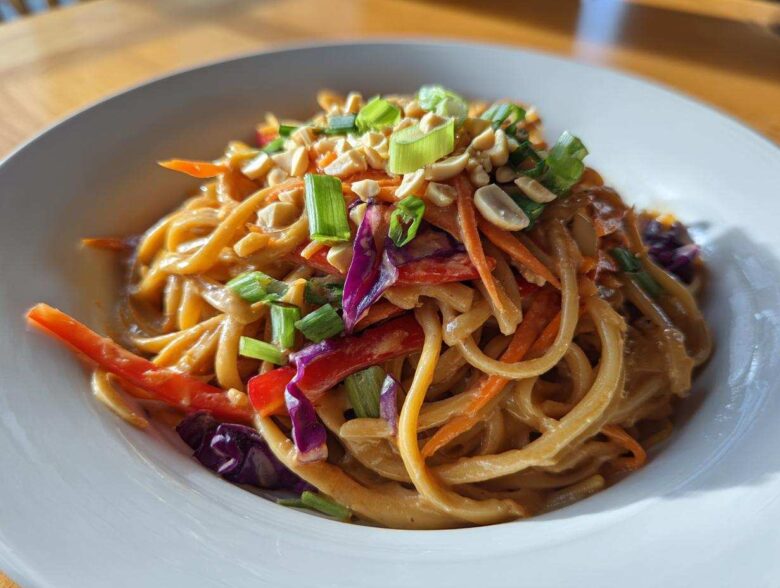
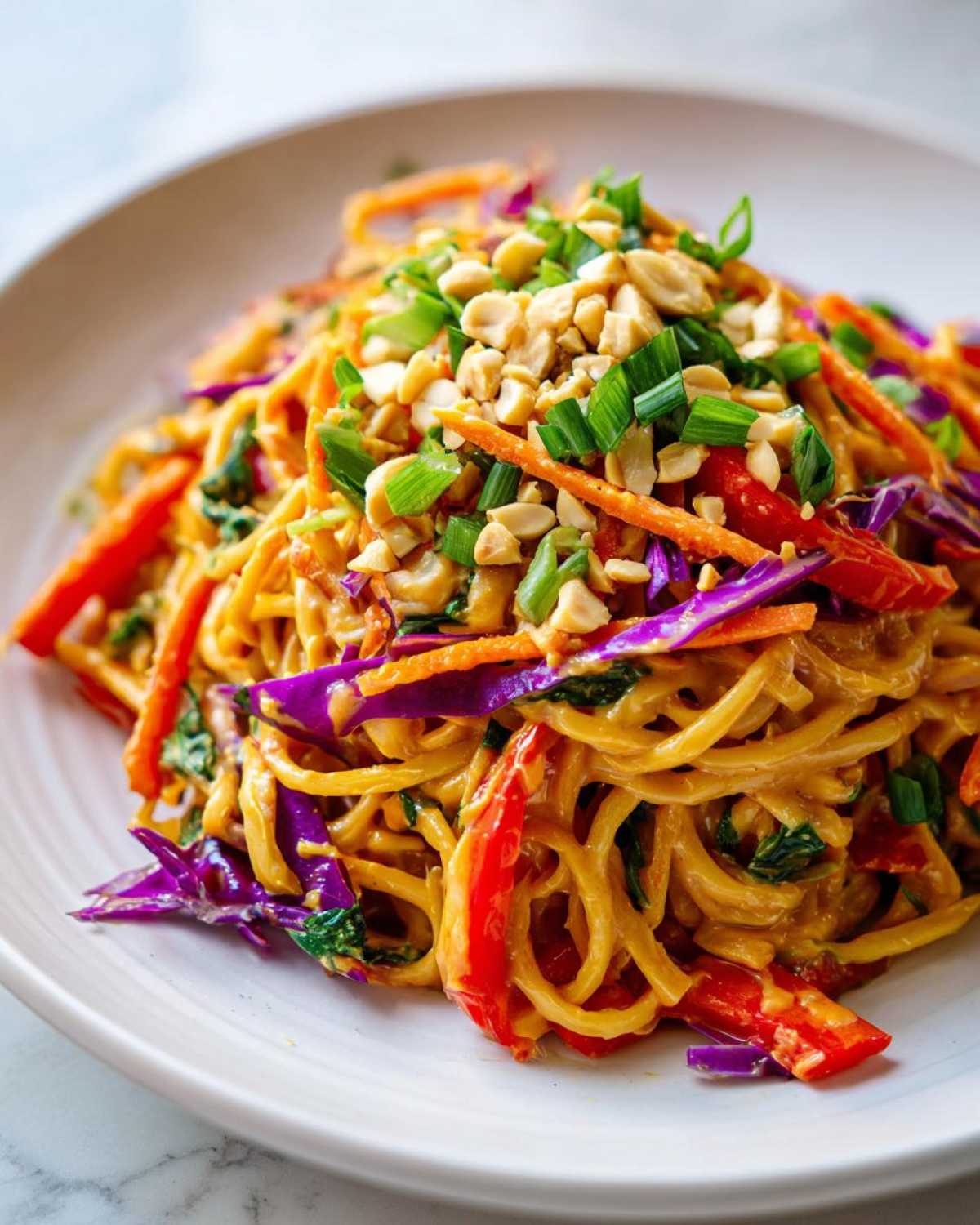
When that 5 PM slump hits and you need dinner fast, but you’re absolutely craving something vibrant and flavorful, forget takeout! This is the recipe I turn to, time and time again. We’re talking about the ultimate weeknight hero: Thai Peanut Noodles with Crunchy Veggies. Seriously, this dish hits every single craving note. It’s rich and savory from the peanut sauce, but it stays completely fresh because of all that crisp slaw we mix in. If you love this flavor profile, you’ll also adore my recipe for Thai Peanut Chicken Noodle Salad!
The true game-changer here is that peanut sauce. I spent ages fiddling with the ratios of lime, maple, and peanut butter until it achieved that perfect, pourable silkiness. You want a dressing that coats every noodle without weighing it down, right? Trust me, once you nail that consistency, you’ll be using this sauce for everything. Get ready for maximum flavor and maximum crunch in under 30 minutes!
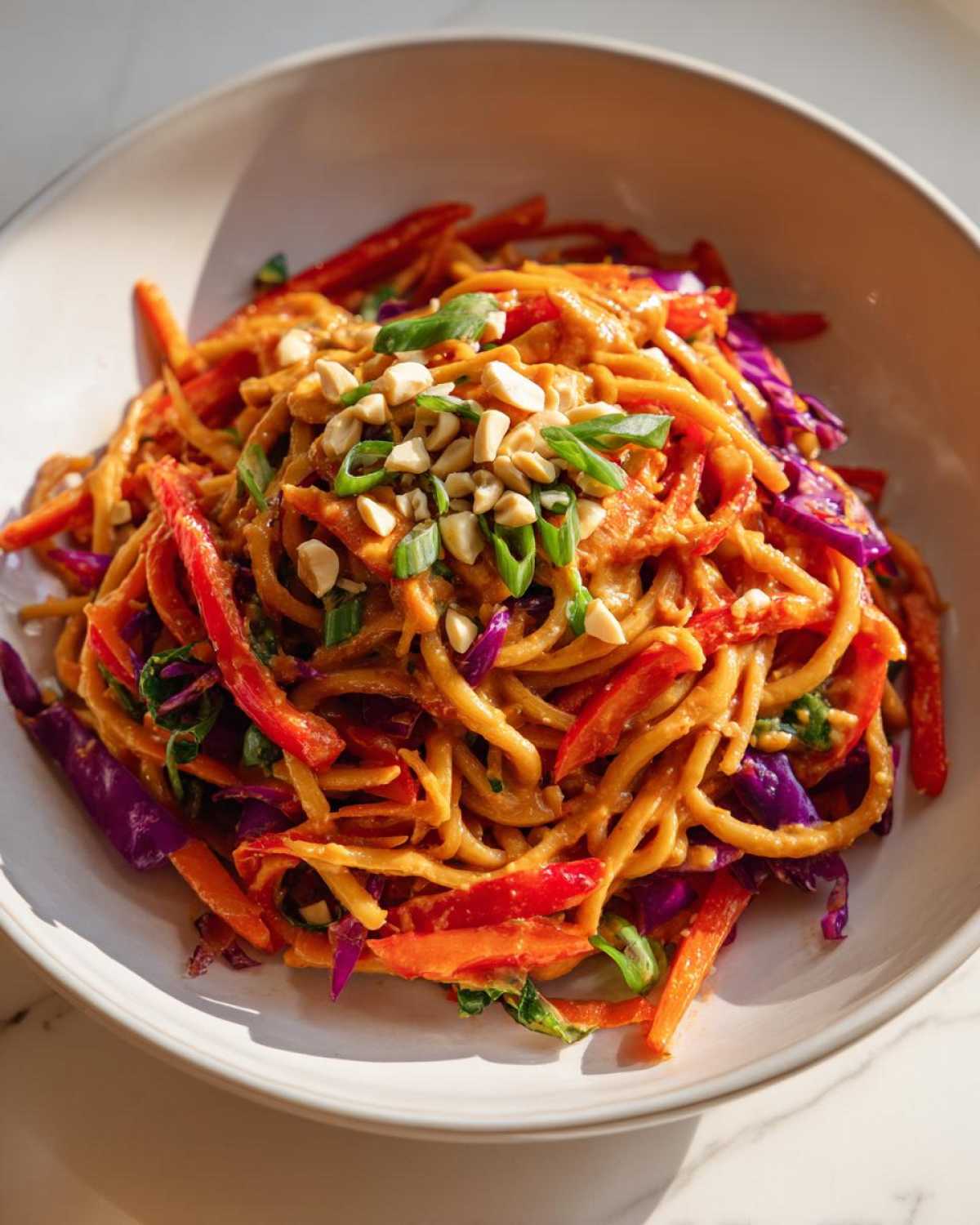
Why You Will Love These Thai Peanut Noodles with Crunchy Veggies
Honestly, sometimes you just need five big reasons why a recipe is worth making right now, and this one delivers them all! These Thai Peanut Noodles with Crunchy Veggies are the definition of a perfect weeknight dinner because there’s almost no cooking involved, unless you count boiling water.
- Lighting Fast Prep: We’re talking under 30 minutes start to finish. If you can boil spaghetti, you can master this meal!
- The Crunch Factor is Real: Forget sad, wilted noodles. We’re packing these with raw carrots and cabbage so every bite has satisfying crispness. I even have a great guide on easy coleslaw dressings that follows a similar principle of fresh texture!
- Best Peanut Sauce Dressing for Noodles: The homemade sauce tastes so much more authentic than anything store-bought. It’s savory, sweet, tangy, and perfectly balanced—you’ll want to add it to everything.
- Perfectly Versatile: Need a vegetarian noodle meal? Done. Want to use up leftover veggies from the fridge? Go for it! This recipe is super flexible.
- Healthy Noodle Recipes with Crunch: Because you’re loading it up with fresh cabbage and carrots, it feels lighter than a traditional stir-fry, making it a fantastic go-to for healthier weeknight eating.
Gathering Ingredients for Thai Peanut Noodles with Crunchy Veggies
Okay, let’s talk about going shopping! The secret to amazing Thai Peanut Noodles with Crunchy Veggies isn’t just in the cooking; it’s in picking the right components for that incredible flavor and texture combo. You’ll need three main groups of items: the stuff for the noodles themselves, the powerhouse ingredients for the sauce, and of course, all those glorious vegetables that give this dish its satisfying crunch. You know I love a good crunchy slaw, and this sauce uses that same fresh vibe!
For the Best Peanut Sauce Dressing for Noodles
This is where the magic happens, folks. Don’t try to rush the sauce; taste as you go!
- Creamy Peanut Butter: You need a full 1/2 cup of the smooth stuff.
- Low-Sodium Soy Sauce or Tamari: 1/4 cup. I use low-sodium so I can control the saltiness myself.
- Rice Vinegar: 3 tablespoons—this adds that necessary bright tang.
- Fresh Lime Juice: Gotta be fresh! Two tablespoons, no shortcuts here.
- Maple Syrup or Honey: 2 tablespoons. This balances the salt and acid nicely.
- Fresh Ginger: A whole tablespoon, freshly grated—pre-ground ginger just won’t cut it for this vibrant flavor.
- Garlic: Two cloves, minced super fine.
- Sesame Oil: Just one teaspoon for that deep, nutty aroma.
- Red Pepper Flakes: Start with 1/2 teaspoon, or toss in some sriracha later if you’re feeling spicy!
- Hot Water: About 1/4 cup, added slowly! This is key to getting that sauce perfectly pourable.
The Crunchy Veggies and Noodles Base
When it comes to the vegetables, think brightly colored and completely raw for maximum snap. Remember, we want crunch!
- Noodles: 12 oz of spaghetti or linguine. We cook these just until al dente! (If you’re going gluten-free, grab some nice rice noodles.)
- Carrots: 1 cup, shredded or julienned. Grate them yourself for the best performance!
- Red Cabbage: 1 cup, sliced super thin. This is a backbone of the crunch for these Thai Peanut Noodles.
- Red Bell Pepper: 1 cup, thinly sliced. I love using the red ones for sweetness against the salty sauce.
- Scallions: We need 1/2 cup sliced scallions mixed right into the tossed noodles.
- For Garnish: Fresh cilantro and about 2 tablespoons of chopped peanuts. Don’t skip the garnish—it adds another layer of texture!
Expert Tips for Perfect Thai Peanut Noodles with Crunchy Veggies
Look, making Thai Peanut Noodles with Crunchy Veggies seems simple—it’s basically noodles and sauce—but sometimes things go wrong! You end up with a gummy mess or a sauce that’s too thick to coat, right? Don’t sweat it! I’ve got a few tricks I learned whipping up batches of this dish for busy weeknights. These tips guarantee that perfect, balanced flavor and that essential crunch every single time. You want the noodles to shine, not clump together in a sad ball! If you’ve ever struggled with getting the right texture in your sauces, check out some of the tips I shared on Chili Garlic Noodles; the same principles apply to thinning pasta sauces!
Noodle Texture Secrets for Your Thai Peanut Noodles
The biggest mistake people make when assembling cold or room-temperature noodle dishes is skipping the cold rinse. You must cook your spaghetti or linguine just until it hits that perfect point—al dente! If you overcook them even a little, they get mushy the moment you toss them with the sauce, turning whatever sauce you made into a starchy paste. Don’t panic if they look a little stiff right out of the pot.
Right after draining, hit those noodles with a quick rinse under cool water. Don’t use ice water or soak them for ages, just a quick rinse. That stops the cooking dead in its tracks and washes off the extra starch coating. This is the key to keeping them separate and delightfully bouncy later on, especially when you mix everything for your Cold Peanut Noodles Vegetable Recipe later.
Achieving the Ideal Consistency in Your Homemade Thai Sauce
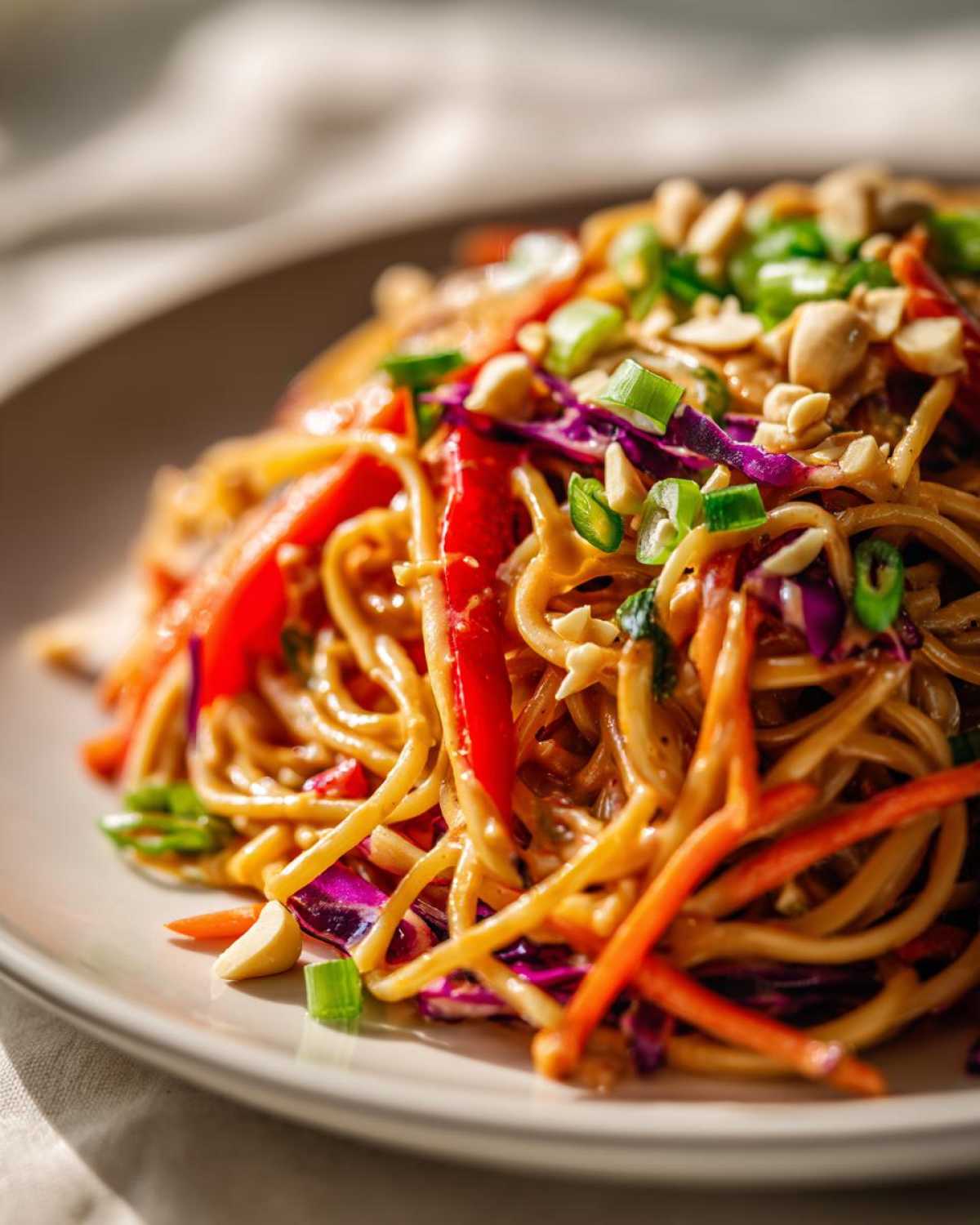
When you first mix your peanut butter, soy sauce, and lime juice, it’s going to look thick. Like, way too thick to drizzle over anything. Trust me on this one: the secret weapon for thinning down that base into the perfect coatable sauce is hot water. Not boiling, but hot tap water works fine.
Whisk in that hot water one tablespoon at a time. Seriously, take it slow! You’ll see the sauce suddenly transform from a stiff ball into something smooth and velvety. Keep adding it until it pulls together almost like heavy cream. When you taste it—and you absolutely must taste it—you should get that hit of salty (soy), sweet (maple/honey), and sour (lime). If it needs more tang, splash in half a teaspoon more vinegar. If the ginger punch isn’t strong enough, grate a little more in there. Adjusting the flavor profile is what makes it *your* best peanut sauce!
Step-by-Step Instructions for Easy Thai Peanut Noodles Recipe
Alright, now that we have all our glorious, crunchy ingredients ready to go, let’s put this masterpiece together! This whole process moves so fast, you’ll wonder why you ever bothered chopping veggies for anything else. We’re going from prep to plate in minutes. Just make sure those noodles are draining while you whisk up the sauce; timing is everything here!
First things first, let’s get those noodles right so they don’t stick together. Cook your 12 ounces of spaghetti or linguine exactly like the package tells you, aiming for that perfect al dente bite. Once they are done, drain them right away. I always give them a quick, short rinse under cool water—just enough to knock off the extra starch. Set them aside to cool down a little while we focus on the star of the show: that incredible peanut sauce.
In a medium bowl, get ready to whisk! Combine all your sauce ingredients: the creamy peanut butter, the low-sodium soy sauce, that bright rice vinegar, the fresh lime juice, your maple syrup or honey, the grated ginger, minced garlic, sesame oil, and your red pepper flakes. Give it a good, aggressive whisk to bring it all together. It’s going to resist at first, but hang in there!
Here’s the key step for that beautiful coatability: slowly whisk in the hot water, maybe just a tablespoon at a time. Keep going until the sauce smooths out. Stop when it looks like something you’d happily drizzle over salad or, you know, noodles! Once it flows nicely, give it a quick taste test. Does it need more zing? More sweetness? Fix it now before it hits the veggies.
Time for the grand finale! Grab your largest mixing bowl—you need room to toss this around without making a total mess. Combine your slightly cooled noodles with the star crunchy bits: the shredded carrots, the thinly sliced cabbage, and the sliced red bell pepper. Pour that rich peanut sauce right over the top.
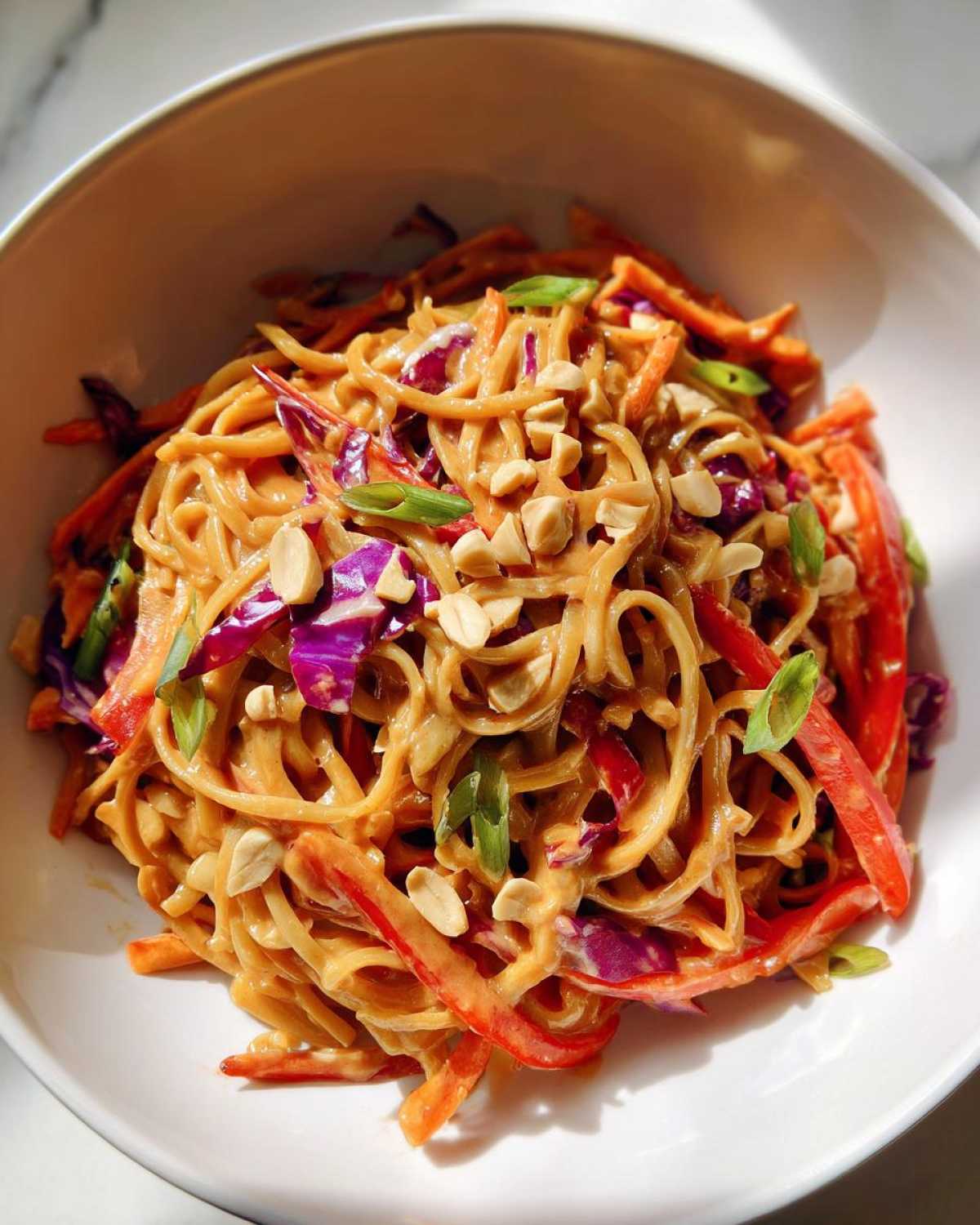
Now, toss everything! I mean really toss it until the noodles and all those colorful veggies are completely, beautifully coated in that golden-brown goodness. Toss in your sliced scallions at this point. If you’re serving them right away, they are ready to go! If you decided to borrow a technique from my garlic pasta recipes and need them chilled, just put them in the fridge for about half an hour to let those flavors marry up even more. Finish with a sprinkle of fresh cilantro and those chopped peanuts for one last layer of lovely texture.
Customizing Your Thai Peanut Noodles with Crunchy Veggies
One of the best things about making a dish like this at home is that you toss out the restaurant rulebook! These Thai Peanut Noodles with Crunchy Veggies are meant to be tailored to exactly what you’re craving or what you have lying around. That’s why I love this recipe so much—it’s incredibly adaptable. Whether you’re trying to sneak in some extra protein for a bigger dinner or you need to make it gluten-free, we’ve got you covered. It’s all about building layers of flavor and texture, kind of like when I make my spicy sides, such as this Sweet Heat Cajun Cauliflower.
Protein Additions for a Heartier Meal
Sometimes noodles just aren’t quite enough for dinner, am I right? If you need this to stick to your ribs, adding protein is super simple. Since the sauce is cooked separately and the veggies are raw, you should always use pre-cooked protein. My favorite addition is taking about a pound of firm tofu, pressing out the water, cubing it, and pan-frying it until it gets golden brown and chewy. Add that right in when you add the carrots and cabbage!
Chicken works amazingly well too. If you have leftover shredded rotisserie chicken, just toss it in! If you’re starting fresh, cook your chicken breast or thighs separately, slice them thinly, and then fold them into the bowl with everything else before you pour on the sauce. That way, the chicken absorbs some of the peanut goodness without overcooking or getting dry.
Adjusting Spice Level in the Peanut Sauce
I listed 1/2 teaspoon of red pepper flakes, which gives my family a nice little kick—a medium warmth, maybe a 4 out of 10 on the heat scale. But I know some of you folks like it blazing hot, and others can barely handle pepper! So, adjust boldly!
If you want to dial up the heat, don’t just add more dry flakes; they take a tiny bit to bloom. Instead, once you’ve mixed your sauce, whisk in a teaspoon of sriracha or chili garlic sauce. You can gauge the heat much faster that way. If you’re a total fire-eater, you could even add a few drops of pure chili oil at the very end. Conversely, if you accidentally turned it into lava, just add another tablespoon of maple syrup and a splash more lime juice to temper the heat down instantly.
Storage and Serving Suggestions for Cold Peanut Noodles Vegetable Recipe
You’ve made the absolute best Thai Peanut Noodles with Crunchy Veggies, now you need to know how to handle leftovers and serving suggestions! While I always urge everyone to eat it fresh because the veggies are at their peak, this dish is actually incredible the next day. It truly shines when served chilled, making it a fantastic option for meal prep lunches. If you’re packing this up for work or school, think about keeping it separate from your favorite crunchy Asian chicken salad counterpart.
Because the sauce is so rich with peanut butter, it tends to thicken up considerably when it hits the cold temperatures of the fridge. That’s completely normal! You don’t need to reheat this dish at all; in fact, I think the cold temperature lets the lime and ginger flavors really pop against the peanuts. If you find the sauce totally solid when you pull the container out, just give it a good 10 seconds in the microwave on low or stir in just a teaspoon of very hot water or a splash of extra lime juice to loosen it up before digging in.
Make-Ahead Strategy for the Best Crunch
Here’s the golden rule for keeping your vegetables super crunchy, which is the whole point of this recipe! While the noodles themselves are fine mixed with the sauce for a couple of days, the raw cabbage and bell peppers will eventually start to soften up a little bit once they soak in the acidic sauce.
If you are planning to eat this over two or three days, pull the vegetables out of the preparation process. Cook the noodles, cool them, and toss them vigorously with the entire peanut sauce until they are fully coated and look lovely. Store the sauced noodles in an airtight container in the fridge. Then, chop up all your crunchy veggies—the carrots, cabbage, and pepper—and store those in a separate container.
When you’re ready to eat that portion, just toss the desired amount of noodles with the fresh, crisp veggies right before serving. That way, you get that perfect snap every single time, and your leftovers taste just as good as the first batch!
Frequently Asked Questions About This Noodle Dish
I see so many great questions popping up about these Thai Peanut Noodles with Crunchy Veggies, which tells me you’re all as excited to make them as I am! People always want to know about texture management and substitutions, which makes total sense. Here are the things I hear asked most often. If you’re looking for even more inspiration on vegetarian options, definitely peek at my post on Vegetarian Peanut Noodles with Fresh Slaw—it’s similar but offers different vegetable combinations!
Can I use pre-shredded vegetables for this recipe?
Oh, the eternal conflict between convenience and quality! Look, you *can* use them if you’re in a real pinch, but I’m going to gently steer you away from it if you want that signature “crunch.” Pre-shredded bags almost always have less moisture and tend to be a bit tougher or sometimes even drier than what you get when you shred a fresh cabbage or carrot yourself. Since the whole point of this dish is the satisfying bite, I really recommend taking the extra three minutes to shred that cabbage thinly. If you do use pre-shredded, make sure you add them right at the last second before serving so they don’t get prematurely soggy!
Is this recipe suitable as a healthy noodle recipe with crunch?
Absolutely, yes! I designed this so it feels indulgent because of that peanut sauce, but it’s actually packed with fresh goodness. The abundance of raw carrots, cabbage, and peppers means you’re getting tons of vitamins and fiber without any heavy oil from a stir-fry. To make it even healthier, you have simple swaps you can bake right in. For instance, you can easily swap the standard spaghetti for whole wheat noodles for more fiber, or if gluten is a concern, rice noodles work perfectly—they are naturally light and chewy. When you use moderation with the maple syrup, it’s a fantastic, balanced meal.
How do I make Thai noodle sauce without peanut butter?
I totally get it—peanuts are a big no-no for some folks due to allergies or just not having the right kind in the pantry! Luckily, you can absolutely make a fantastic sauce without it. The next best thing I’ve found is using tahini, which is sesame seed paste. It gives you that creamy texture that peanut butter usually provides, though the flavor will be slightly more earthy and less sweet. If you try it, start with the same measurement listed for the peanut butter and adjust your lime and maple syrup to taste, as tahini can sometimes be slightly more bitter than peanut butter when used cold.
Nutritional Estimates for Thai Peanut Noodles
Okay, let’s be real, when you’re whipping up a delicious and hearty dish like Thai Peanut Noodles with Crunchy Veggies, you aren’t usually thinking about measuring every single gram of goodness entering your body. But since we’re tracking things sometimes, I wanted to give you a quick rundown of what’s in a standard serving of this tasty meal.
Here are the approximate nutritional values based on the recipe using standard spaghetti noodles and the specified amounts. Remember, these numbers are just estimates! If you use tons of peanuts for garnish or load up on extra sweet maple syrup, these figures will shift around a bit. Think of this as a good baseline for this amazing, vegetable-packed meal.
- Serving Size: 1 serving
- Calories: Around 550 kcals—a perfect amount for a satisfying dinner!
- Total Fat: About 28g, with only 4g coming from that not-so-great saturated fat side.
- Carbohydrates: Approximately 60g, which gives you plenty of energy.
- Protein: A solid 18g, thanks to the peanut butter base.
- Sugar: Roughly 15g, mostly from the maple syrup and the natural sugar in the vegetables.
- Fiber: You get about 6g of fiber, which is great for keeping things moving!
Even loaded with that rich peanut sauce, because we are using so many raw veggies, we keep the numbers pretty reasonable. It’s definitely a great choice when you want something comforting but still light enough that you won’t feel heavy afterward.
Share Your Creations and Feedback
That’s it! You’ve made it to the finish line. I truly, truly hope you enjoy every single bite of your perfectly crunchy, ridiculously flavorful Thai Peanut Noodles with Crunchy Veggies. This recipe has become such a staple in my own kitchen, and sharing it with you feels like handing over my little secret recipe notebook!
Now, I’m dying to know how it turned out for you! Did you stick strictly to the recipe, or did you add some amazing veggie substitutions I should try next time? Please, tell me everything in the comments below. If you gave the sauce a little extra lime or boosted the ginger, let the rest of the readers know your genius modification!
If you snap a satisfying picture of your finished bowl—especially if you got a great close-up of all that glorious crunch—please share it! Tag me on social media so I can celebrate your noodle success. Seeing your beautiful homemade meals truly makes my day, so don’t be shy! For more quick, tasty adventures, feel free to browse my main recipe index any time you need dinner inspiration!
PrintThai Peanut Noodles with Crunchy Veggies
Make these quick Thai Peanut Noodles featuring a rich peanut sauce and a mix of crisp, fresh vegetables.
- Prep Time: 15 min
- Cook Time: 10 min
- Total Time: 25 min
- Yield: 4 servings
- Category: Main Course
- Method: No-Cook Sauce/Tossing
- Cuisine: Thai-inspired
- Diet: Vegetarian
Ingredients
- 12 oz spaghetti or linguine noodles
- 1/2 cup creamy peanut butter
- 1/4 cup low-sodium soy sauce or tamari
- 3 tablespoons rice vinegar
- 2 tablespoons lime juice, fresh
- 2 tablespoons maple syrup or honey
- 1 tablespoon fresh ginger, grated
- 2 cloves garlic, minced
- 1 teaspoon sesame oil
- 1/2 teaspoon red pepper flakes (adjust to taste)
- 1/4 cup hot water (or more, for thinning)
- 1 cup carrots, shredded or julienned
- 1 cup red cabbage, thinly sliced
- 1 red bell pepper, thinly sliced
- 1/2 cup scallions, sliced
- 1/4 cup chopped cilantro, for garnish
- 2 tablespoons chopped peanuts, for garnish
Instructions
- Cook the noodles according to package directions until al dente. Drain the noodles and rinse briefly with cold water to stop the cooking process and remove excess starch. Set aside.
- While the noodles cook, prepare the peanut sauce. In a medium bowl, whisk together the peanut butter, soy sauce, rice vinegar, lime juice, maple syrup, ginger, garlic, sesame oil, and red pepper flakes.
- Add the hot water one tablespoon at a time, whisking until the sauce reaches a smooth, pourable consistency. Taste the sauce and adjust sweetness or spice if needed.
- In a large bowl, combine the cooked, cooled noodles, shredded carrots, sliced cabbage, and sliced red bell pepper.
- Pour the peanut sauce over the noodle and vegetable mixture. Toss everything together until the noodles and vegetables are evenly coated.
- Stir in the sliced scallions.
- Serve immediately or chill for at least 30 minutes for a cold noodle salad. Garnish each serving with fresh cilantro and chopped peanuts.
Notes
- For gluten-free noodles, use rice noodles or gluten-free spaghetti.
- If you prefer a spicier sauce, increase the amount of red pepper flakes or add a dash of sriracha.
- You can add cooked protein like shredded chicken or tofu to make this a more substantial meal.
- To keep the vegetables extra crunchy, add them to the noodles just before serving if you are not chilling the dish.
Nutrition
- Serving Size: 1 serving
- Calories: 550
- Sugar: 15
- Sodium: 650
- Fat: 28
- Saturated Fat: 4
- Unsaturated Fat: 24
- Trans Fat: 0
- Carbohydrates: 60
- Fiber: 6
- Protein: 18
- Cholesterol: 0