

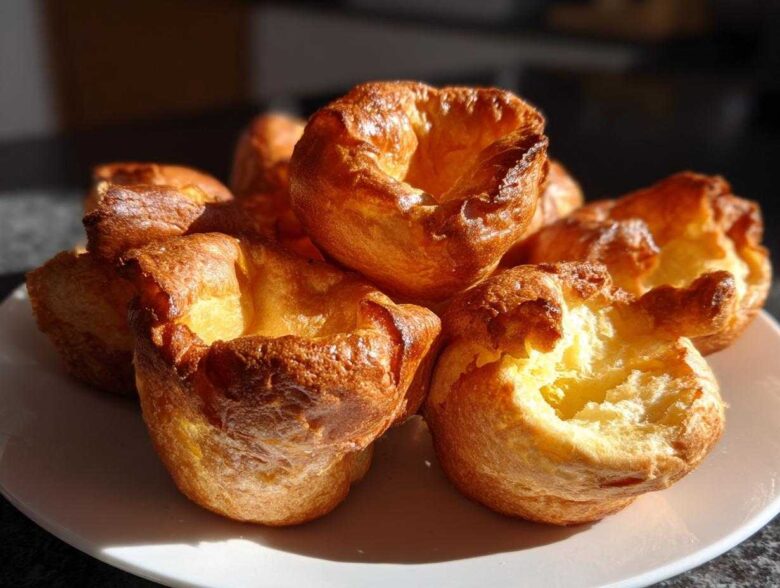
Oh, friend, let’s talk about the absolute zenith of British cooking: the Yorkshire pudding. I used to be terrified of them! I swear, my early attempts looked like flat, sad pancakes trying to imitate a soufflé. But I cracked the code, I really did! This recipe for The Perfect Foolproof Yorkshire Pudding is your magic ticket to becoming the roasting legend you were meant to be. Forget those fussy celebrity versions for now; this is the real deal—a true Traditional British Side Dish that comes out wonderfully crispy and unbelievably light every time. Just trust me on this one; the secret isn’t a magic ingredient, it’s pure, honest heat!
Why This Yorkshire Pudding Recipe Guarantees a Perfect Rise
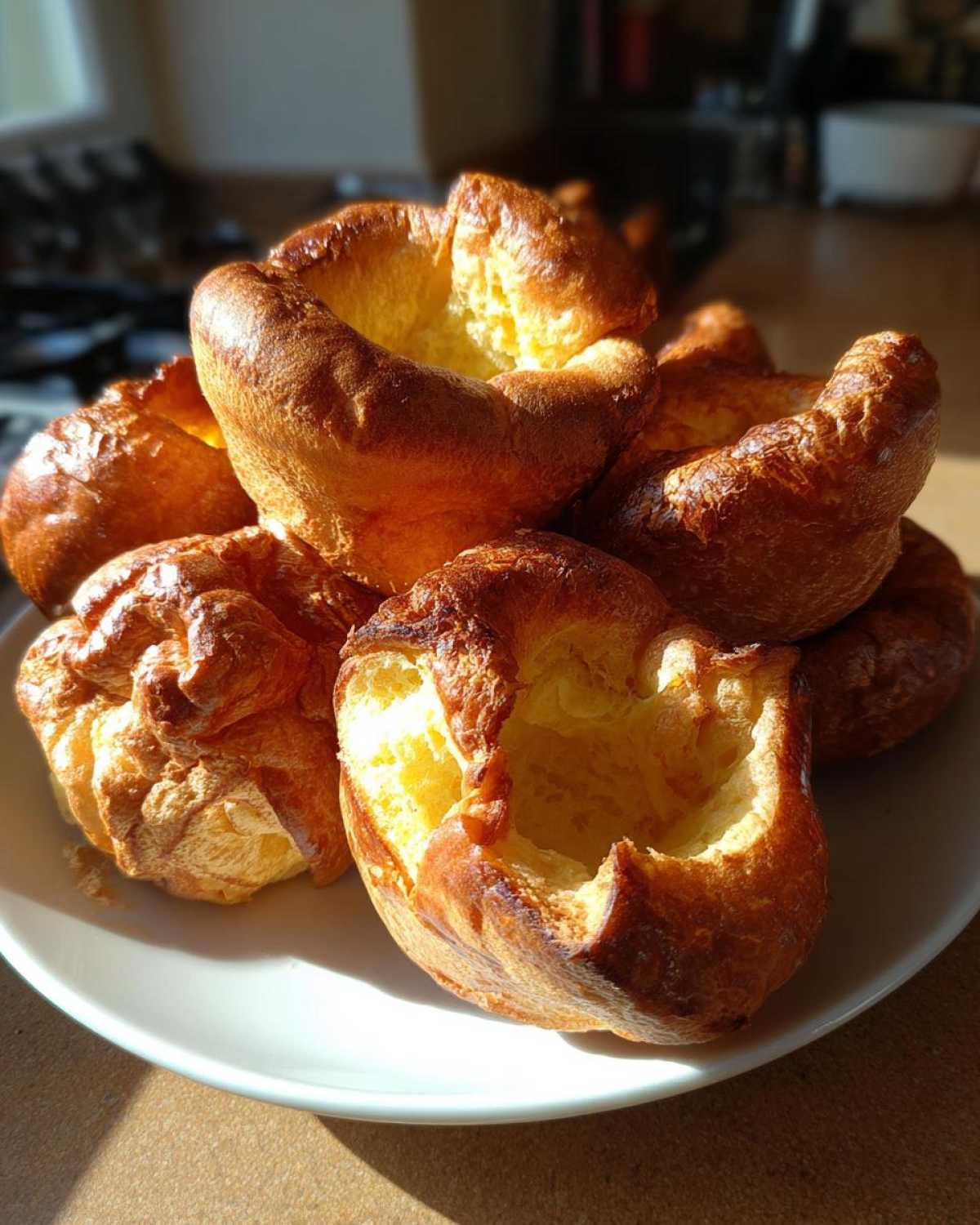
If your puddings consistently fall flat, it’s usually down to two things we absolutely refuse to compromise on in this recipe. Getting that famous puff—the soaring sides and the deep, airy interior—is all about manipulating physics, baby! We aim for pure lift, resulting in those glorious Crispy Yorkshire Puddings you see in pictures. These little tricks make all the difference between ‘meh’ and ‘more, please!’.
The Importance of Batter Rest Time for Fluffy Yorkshire Puddings
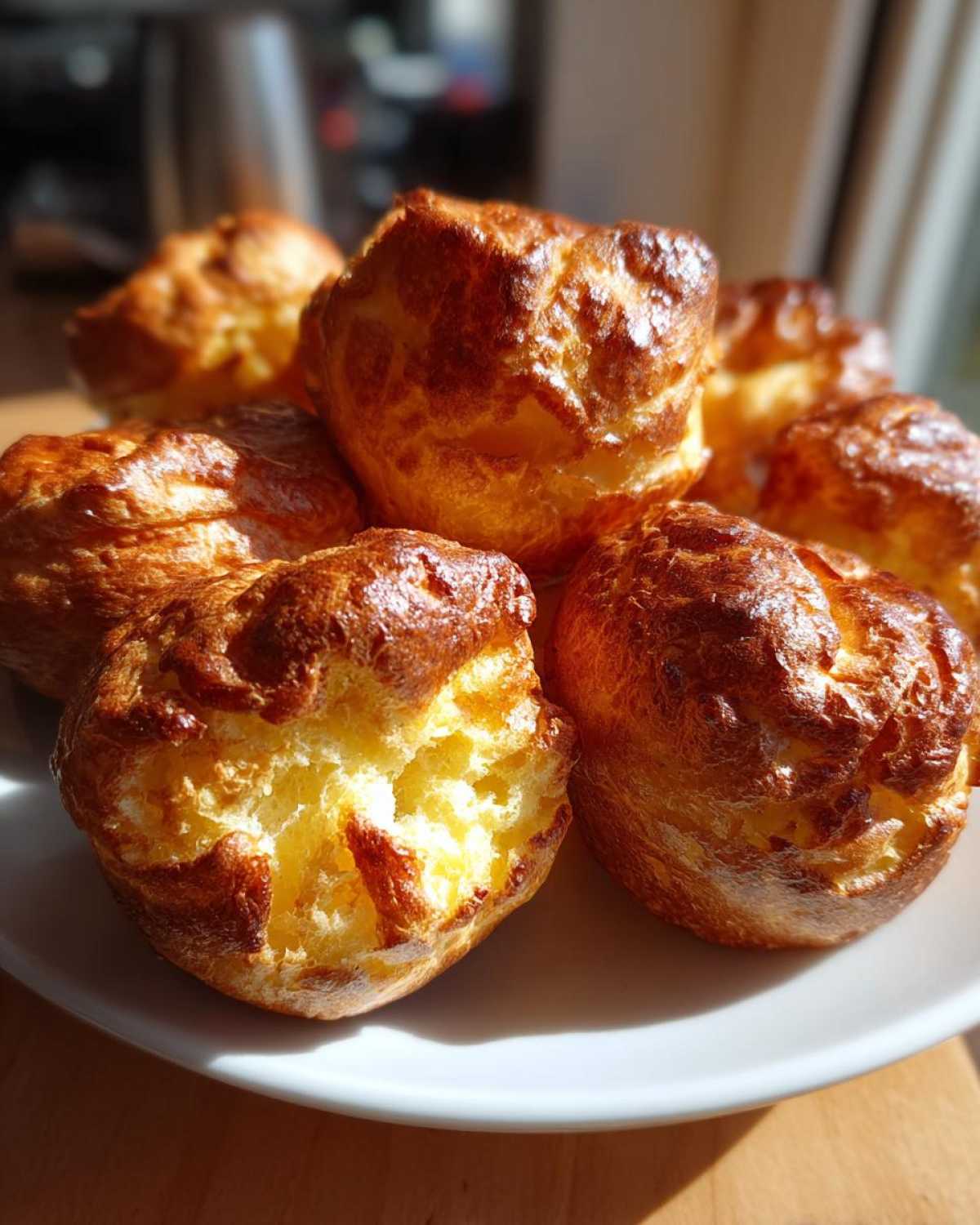
Don’t you dare skip the resting step! I know you’re eager to get Sunday dinner on the table, but that batter needs a nap. When you whisk flour and liquid, the gluten tightens up; if you bake it immediately, you get tough puddings that can’t stretch upwards. Letting that batter rest—and seriously, an hour is better than thirty minutes—allows the starch granules to fully hydrate and relax. It’s absolutely non-negotiable for achieving truly Fluffy Yorkshire Puddings.
Achieving Smoking Hot Fat for Maximum Puff
This is where most people chicken out, literally! You need the fat in your tin—and yes, beef dripping gives the best flavor, but oil works fine—to be screaming hot. I mean, it has to be shimmering and just beginning to smoke before you even think about pouring in your Easy Yorkshire Pudding Batter. That sudden blast of extreme heat hitting coldish batter is what creates the steam explosion needed for that incredible dramatic rise. If the fat isn’t hot enough, the batter just sinks and soaks it up instead of puffing.
Ingredients for Your Foolproof Yorkshire Pudding
I love that this recipe is so wonderfully simple and cheap—it proves you don’t need fancy supplies for world-class results! The ingredients list is short, but every single item needs to be measured correctly for that perfect structure. We are using just four core components for the batter, plus the fat that does all the heavy lifting in the tin. Remember, for the best color and texture, I insist on using whole milk; skim milk just doesn’t have the richness we need.
- 140g plain flour (sifted, please!)
- 4 large eggs
- 200ml milk (whole milk works best for richness)
- A tiny pinch of salt
- About 100ml of fat: either wonderful beef dripping or a neutral vegetable oil for the tin
If you’re looking for some other great sides to go alongside these, check out my recipe for Lemon Garlic Roasted Potatoes—they cook beautifully while the puddings are resting!
How to Make Yorkshire Puddings: Step-by-Step Instructions
Okay, now we put the theory into practice! Making Yorkshire Puddings is kind of like a science experiment, but way more delicious. We need precision in our mixing and absolute trust in our oven temperature. Follow these steps exactly, and you’ll be peeling perfectly puffed puddings out of the tin before you know it. I always feel like a wizard when the tin goes in, and then comes out transformed!
Mixing the Easy Yorkshire Pudding Batter
First things first, sift that 140g of flour right into a big bowl—don’t skip the sifting! Make a little volcano crater in the middle and crack your four eggs in there. Start whisking gently from the middle, slowly pulling in flour until it looks crumbly. Then, drizzle in your milk bit by bit while you whip until it’s totally smooth. Seriously, stop mixing as soon as it looks like single cream; overmixing builds tension, and we want relaxation!
The Crucial Baking Phase for Puffy Yorkshire Puddings
Once your fat is smoking hot (and I mean smoking hot, like this bread needed heat!), carefully pour the rested batter into each hole—fill them only halfway. Pop that tin straight back into the high heat, and here comes the hardest part: do not open the oven door for at least 20 minutes. No peeking! This allows the trapped steam to work its magic, guaranteeing you get beautifully tall, Golden Brown Puddings that tower over your dinner plate.
Yorkshire Pudding Tips and Tricks for Success
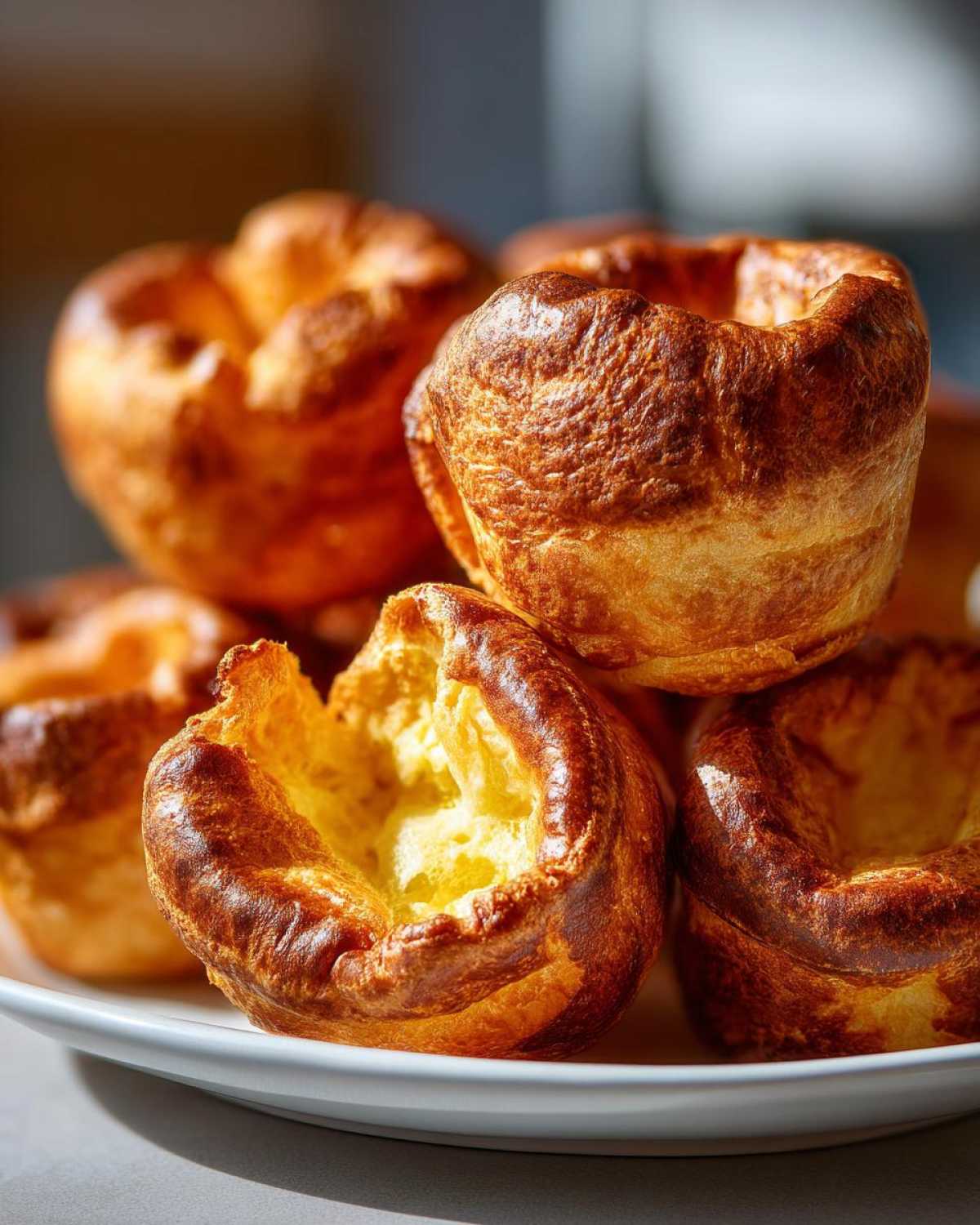
I remember calling my aunt in a panic because my Yorkshire Puddings looked like they’d been sat on. She laughed and told me I was letting the side down! There are definitely a few non-negotiables that separate the puffers from the flatter-than-a-pancake crew. Firstly, that resting time we talked about? It’s crucial for structure. Secondly, never, ever put batter into fat that isn’t sizzling and smoking hot. It’s the difference between a dramatic rise and sad, greasy bottoms.
Another thing: temperature stability is everything once they are baking. Once they go in, the door is sealed shut. Opening it lets the oven temperature drop even a tiny bit, and that cooling air collapses the delicate steam structure inside. If you want those perfect, crusty edges, resist the urge to check on them until they’ve really had time to set up. For extra flavor, I sometimes sneak a tiny drizzle of leftover roast beef juices into the fat alongside the oil; it’s divine!
If you’re looking for sides that use similar roasting tricks, you have to try my famous Honey Butter Chicken Biscuits!
Variations on the Traditional British Side Dish
Now, while I am absolutely loyal to my 12-hole muffin tin method for those perfectly formed Individual Yorkshire Puddings, I know sometimes you need a showstopper! If you’re making a huge roast beef for the whole family, you can easily double this recipe and pour the whole lot into one large, deep roasting tin. You’ll just need to add about 10 to 15 minutes onto the baking time because the heat has to penetrate deeper into the middle.
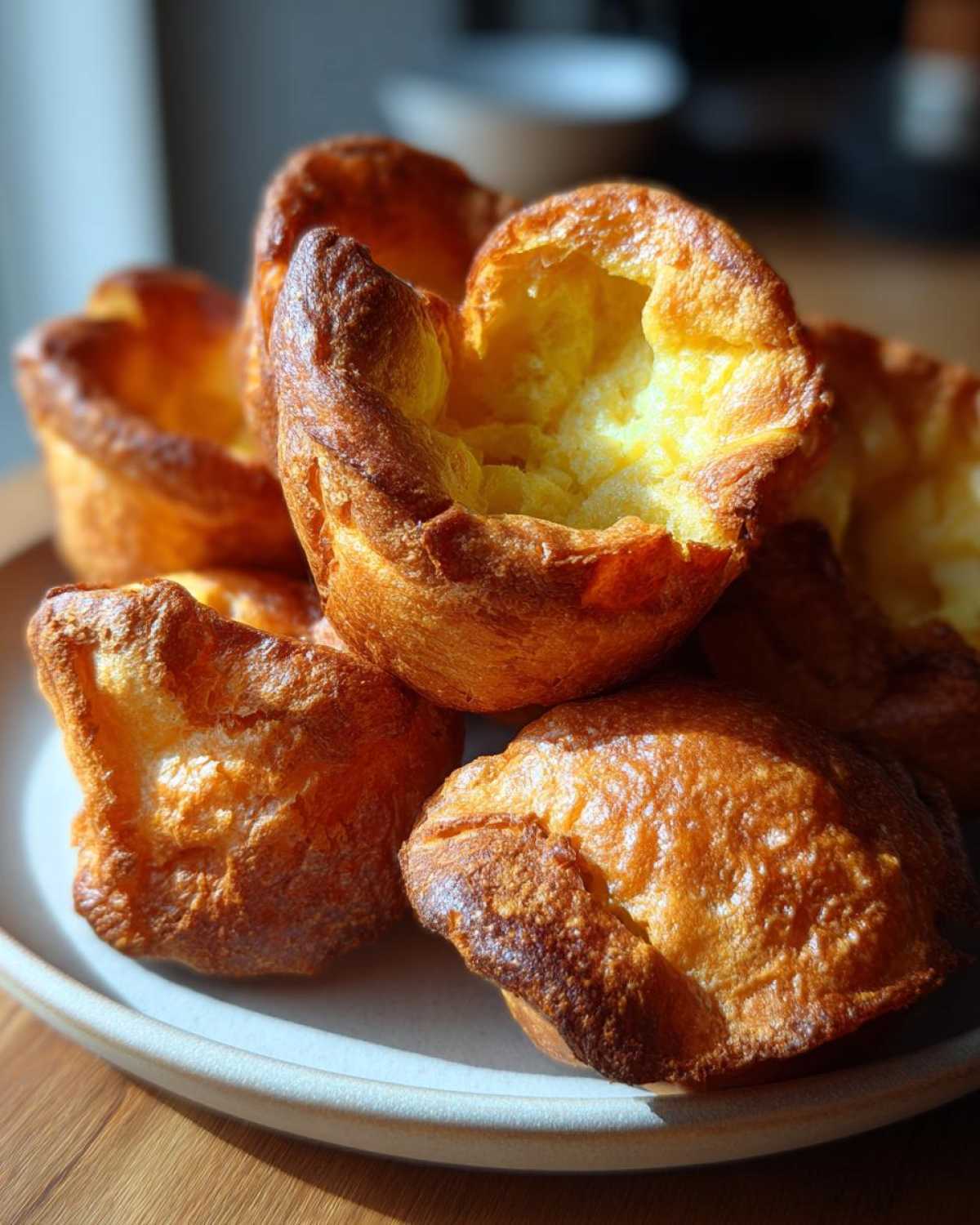
I also get asked a ton about special diets. If you need a Gluten Free Yorkshire Pudding, the batter structure acts a little differently, as you lose the elasticity from the wheat gluten. You can definitely make swaps—and I’ve experimented with special flour blends for rolls that rise well—but for this *specific* recipe, you must ensure your gluten-free flour blend has a good amount of added starch, and you might need a touch more resting time to compensate.
Serving Suggestions for Your Yorkshire Pudding
Honestly, these golden beauties are practically meaningless without the main event, right? These are the quintessential Sunday Roast Recipes accessory. The absolute classic pairing, which just sings, is with tender roast beef drenched in rich, peppery gravy. Think about sinking that crispy edge into the gravy—perfection!
But don’t stop there! They are fantastic for soaking up the juices from roast chicken or even pork. If you are making a hearty meal like a stew, you can spoon the stew right into the middle of the pudding instead of serving it on the side. For some inspiration on deeply flavorful meals to pair them with, you really should look at my recipe for a Hearty Beef Stew; it freezes beautifully!
Storage and Reheating Instructions for Leftover Yorkshire Puddings
If by some miracle you have leftover Yorkshire Puddings, don’t you dare throw them out! They are fantastic the next day, but you have to treat them right. First, let them cool completely on a wire rack—we need all the steam and moisture to escape, otherwise, they’ll go soggy in the container. Store them in a paper bag or a loosely covered container at room temperature, not a sealed plastic container!
When it’s time to reheat them for your next batch of Roast Dinner Accompaniments, the microwave is your sworn enemy. It turns them soft and chewy instantly. Instead, blast them in a hot oven—around 200°C (400°F)—for about five minutes. This quick burst of dry heat miraculously restores their outer crispness. If you want proof that good food should never go to waste, try reheating them alongside some leftover gravy warmed up first, like a little secret I learned from my holiday stuffing hack!
Frequently Asked Questions About Making Yorkshire Puddings
I get so many messages asking about little quirks in the Yorkshire Pudding Recipe, and honestly, most of the sticking points are solved by nailing the temperature—but here are a few other common worries my readers have when trying to master these Classic English Recipes.
Can I use water instead of milk in my Yorkshire Pudding Recipe?
You *can*, but please don’t if you want traditional results! While water technically works to hydrate the flour, milk is essential because it brings in the necessary fats and proteins. These components are what help create that signature, rich, golden structure. If you just use water, you end up with a lighter, more brittle shell, and you definitely won’t get that lovely, slightly creamy texture when you bite into the bottom of your Fluffy Yorkshire Puddings.
What is the secret to getting Gordon Ramsay Yorkshire Pudding results?
Oh, everyone asks about the famous chefs! Here’s the real secret: their results aren’t coming from a secret spice blend; they are just religious about the fundamentals we already discussed. If you ensure your fat is smoking hot, your batter has rested properly, and you don’t open the oven door, you are making the *exact* same pudding as anyone else famous. It’s about technique, not ego!
Why are my puddings sinking after coming out of the oven?
Sinking is heartbreaking, I know! Usually, this means your oven temperature dropped right around the time they were 80% done. This often happens because someone (maybe you?) peeked too early. If the internal structure hasn’t fully set when cold air hits it—which it does instantly if you open the door—the steam collapses, and down they go. Keep that oven sealed until they look deeply colored and completely puffed!
For more tips on mastering How to make Yorkshire Puddings, feel free to browse my collection of Classic English Recipes!
Nutritional Estimate for This Classic English Recipe
I always include a quick note on the basics because while these are comforting, they definitely aren’t calorie-free! Just remember, these numbers are an estimate for one of our small, Individual Yorkshire Puddings, based on using standard whole milk and vegetable oil for the fat. If you use traditional beef dripping, the saturated fat content will obviously creep up a touch. You’re getting a nice bit of protein from those eggs, which is a big plus for a quick side dish!
- Serving Size: 1 pudding
- Calories: About 130
- Fat: 7g (with 2g saturated)
- Carbohydrates: 13g
- Protein: 5g
The Perfect Foolproof Yorkshire Pudding

Make classic British Yorkshire puddings that are crispy outside and light and fluffy inside using this simple, reliable recipe.
- Prep Time: 10 min
- Cook Time: 25 min
- Total Time: 65 min
- Yield: 12 small puddings
- Category: Side Dish
- Method: Baking
- Cuisine: British
- Diet: Vegetarian
Ingredients
- 140g plain flour
- 4 large eggs
- 200ml milk (whole milk works best)
- Pinch of salt
- 100ml beef dripping or vegetable oil (for the tin)
Instructions
- Sift the flour and salt into a large bowl. Make a well in the center.
- Crack the eggs into the well. Begin whisking the eggs, gradually incorporating the flour from the sides.
- Slowly pour in the milk while continuously whisking until you have a smooth, thin batter, similar in consistency to single cream. Do not overmix.
- Cover the bowl and let the batter rest at room temperature for at least 30 minutes, or up to several hours in the refrigerator. Resting is key for a good rise.
- Preheat your oven to 220°C (425°F / Gas Mark 7). Place a 12-hole muffin tin (or a roasting tin for larger puddings) into the oven.
- Add about 1 teaspoon of beef dripping or oil to each hole. Heat the tin in the oven for 10 to 15 minutes until the fat is smoking hot. This step is crucial for puffing.
- Carefully remove the hot tin from the oven. Quickly and carefully pour the batter into the hot fat, filling each hole about halfway.
- Immediately return the tin to the oven. Do not open the oven door for the first 20 minutes of cooking.
- Bake for 20 to 25 minutes until the puddings are well risen, deep golden brown, and crisp. Serve immediately.
Notes
- Use very hot fat; the fat must be smoking before you add the batter.
- Resting the batter allows the starch to relax, leading to a lighter texture.
- For the best rise, use whole milk and ensure your oven is fully preheated.
- If making large puddings, increase the cooking time slightly.
Nutrition
- Serving Size: 1 pudding
- Calories: 130
- Sugar: 2
- Sodium: 80
- Fat: 7
- Saturated Fat: 2
- Unsaturated Fat: 5
- Trans Fat: 0
- Carbohydrates: 13
- Fiber: 0.5
- Protein: 5
- Cholesterol: 75