

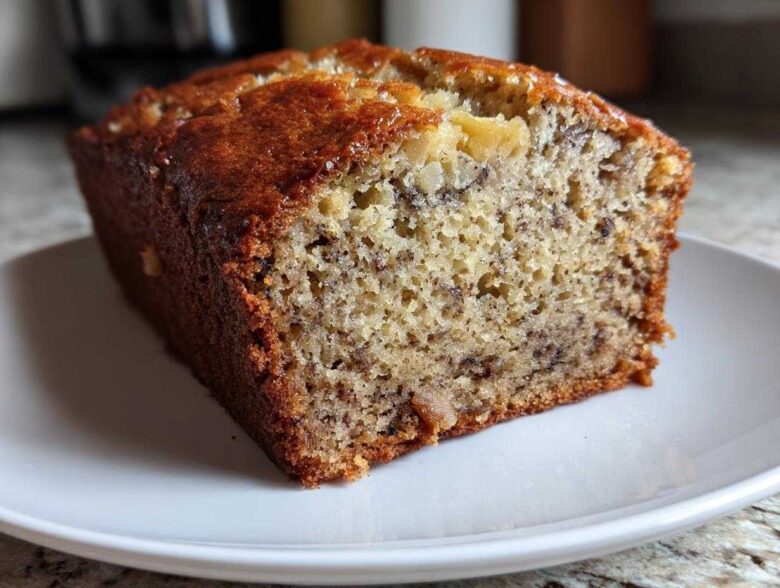
Oh, the tragedy of dry banana bread! It’s the baking equivalent of finding a beautiful seashell only to realize it’s completely empty inside. I can’t tell you how many times I’ve followed a recipe promising softness only to end up with something that felt like eating spiced sawdust. I’ve spent years, maybe too many years to count, obsessing over the science behind quick breads—specifically, how to keep that moisture locked in tight. That obsession finally paid off, my friends. Prepare yourself, because this recipe is the game-changer; this is the promise of Incredibly Moist Banana Bread & Ever Tips! I’m sharing everything I’ve learned so your loaf stays tender and perfect, even three days later. You can check out my chocolate chip version, which uses a similar philosophy, over at this recipe if you need another treat!
The Secrets to Incredibly Moist Banana Bread & Ever Tips!
So, why on earth is this recipe going to fix all your dry bread woes? It’s all about the powerhouse trio of fats, sugar, and dairy we use. Most recipes are fine, but they use plain melted butter. Boring! We use brown butter, which adds this amazing nutty background note while slightly changing how the fat incorporates, leading to a much more tender crumb. That, combined with packing in the brown sugar and using a full cup of sour cream, creates an environment where moisture simply refuses to leave. Honestly, making them into muffins is fun too; you can check out that ratio difference right here.
Why Brown Butter Makes for Incredibly Moist Banana Bread
When you brown butter, you burn off some of the water content and toast the milk solids. This gives us intense flavor, sure, but it also means the fat coating the flour molecules is richer. This slight change in the fat structure is what sets us up for an incredibly moist banana bread that stays soft way longer than whatever you tried last week. Trust me, the extra three minutes of stirring the pan is worth every single nutty bite.
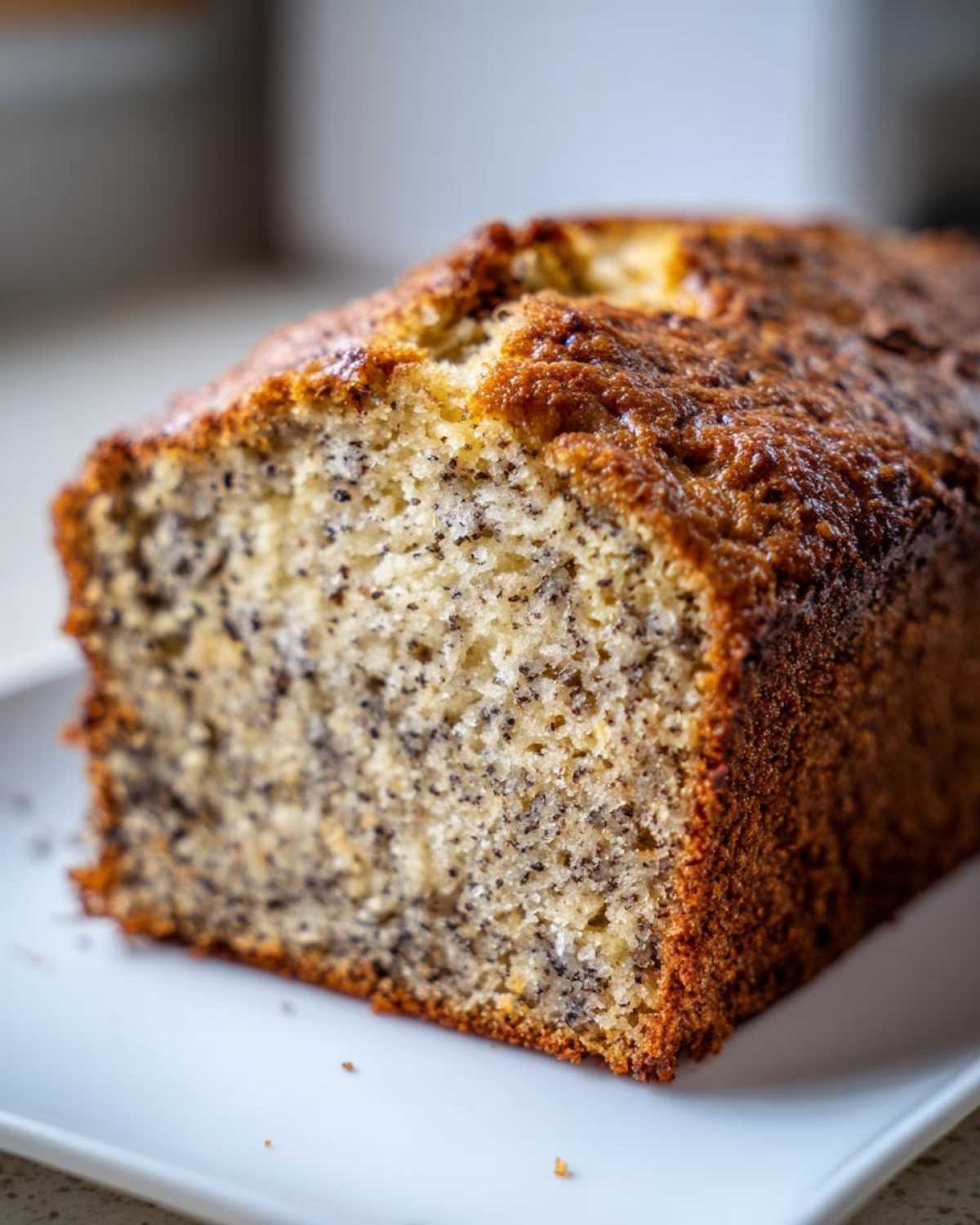
Essential Banana Bread Tips for Softness and Moisture Retention
Beyond the ingredients, you need great technique for those banana bread tips for softness. Don’t skip these, or even the best recipe won’t save you!
- Use eggs that have sat out for about 30 minutes. Room temperature eggs mix into the batter much better than ice-cold ones.
- When mashing your bananas, leave a few small chunks! Those little pockets burst into extra liquid when baked, helping keep things tender.
- Always use the full-fat dairy option—your bananas need that fat to cling to! Don’t grab the low-fat version if you want the best results.
Ingredients for the Ultimate Incredibly Moist Banana Bread
Okay, ready for the magic list? These ingredients aren’t complicated, but the proportions are everything. If you’re using overripe bananas—I mean the ones that look like they might be turning black, those are the best ones, by the way!—you’re already halfway to success everywhere. Make sure you grab your light brown sugar; we aren’t messing around with plain white sugar here since that brown sugar is doing heavy lifting for moisture, just like in my favorite chicken recipe!
- 1 cup (2 sticks) unsalted butter – this gets browned, remember!
- 1 3/4 cups all-purpose flour
- 1 teaspoon baking soda
- 1/2 teaspoon salt
- 1/2 teaspoon ground cinnamon – just a hint!
- 1 1/2 cups packed light brown sugar
- 2 large eggs, which need to be at room temperature!
- 1 teaspoon vanilla extract
- 1 cup mashed very ripe bananas (You need about 3 or 4 of those ugly ones!)
- 1/2 cup full-fat sour cream or plain Greek yogurt
Ingredient Notes and Substitutions for Moisture
The brown sugar and the sour cream are non-negotiable if you want that promised texture. Brown sugar has molasses, which is naturally wet, and that helps keep everything from drying out while baking. This is how we build that structure for ultra moist quick bread!
Now, for the dairy: I swear by full-fat sour cream. It just coats the flour particles perfectly, and that deep, tangy flavor works magic with the caramelized brown butter. If you absolutely can’t find sour cream, good quality, full-fat Greek yogurt is the next best thing. Please, please, don’t try using milk or low-fat yogurt, though. You need that fat percentage to keep the loaf fluffy and moist baking all the way through.
How to Prepare Incredibly Moist Banana Bread Step-by-Step
This is where all those special ingredients really come together. Following these steps exactly is crucial if you want that perfect banana bread texture we keep talking about. It’s not just about dumping things in a bowl; we have to respect the process, especially when dealing with melted butter. I’ve linked to a great reading on the science of moisture if you get curious while things are baking!
Browning the Butter: The First Step to Tender Banana Bread
First things first: we have to brown that butter. Melt your butter over medium heat in a lighter colored saucepan so you can see what’s happening. It’s going to foam up first, and then it will calm down. Keep watching! You’ll see little brown specks forming at the bottom, and the smell totally changes—it gets nutty and irresistible. As soon as you smell that, yank it off the heat and pour it into a bowl right away so it keeps cooling down. If you leave it in the hot pan, it’ll just burn, and we don’t want bitter bread!
Mixing Technique: Avoiding Dryness in Your Ultra Moist Quick Bread
Once your brown butter has cooled down a bit (it should still be liquid, but not scorching hot), mix it with the brown sugar. Then, you add those room-temp eggs and vanilla. Now for the magic trick that keeps this an ultra moist quick bread: when you add the flour mixture, you *must* alternate it with the sour cream. Start with a little flour, mix until just combined—and I mean *just*—then add some sour cream, mix again, then more flour. Always finish with the dry ingredients.
Stop mixing the absolute second you don’t see any white streaks left. Seriously, stop when you think you should keep going a little longer. Overmixing is the fastest way to develop the gluten and turn your tender banana bread loaf into a rubber brick. We want tender, fluffy, and moist, not tough!
Baking Tips for Perfect Texture in Your Incredibly Moist Banana Bread
We’ve got the right ingredients and we mixed it like absolute pros, so now we have to treat this beautiful batter right in the oven. The baking stage is where most people accidentally ruin their perfectly formulated, moist recipe. It’s all about heat management, my friends! You want the inside to cook through before the outside turns into a dried-out shell. That’s why these little preparation steps are part of my baking tips for moist results.
First, make sure your oven is fully preheated before that loaf goes in. I always put an oven thermometer in there because my personal oven always runs about 25 degrees cooler than it claims. You need accurate heat for the baking soda to activate correctly and get that perfect rise. Also, keep the rack right in the middle—we want even heat hitting us from the top and bottom.
Now, the most important move for keeping things soft is the foil tent trick. Around the 45-minute mark, even if the top looks wonderfully golden brown, go check it with a wooden skewer. If it comes out with wet batter, great, it needs more time. But if it comes out *bone dry*, you’ve gone too far and you’re drying out your incredibly moist banana bread!
If the top browns too quickly but the center still needs a good 10 or 15 minutes, grab a piece of aluminum foil—lightly tent it over the top of the pan. This deflects the direct heat from the top element, allowing the inside to finish cooking slowly, preserving all that lovely moisture we worked so hard to build in. You can check out my full guide on general baking tips for moist results for more wisdom, but honestly, this one step changes everything for quick breads!
Storage and How to Keep Banana Bread Soft
You did it! You pulled out a loaf that is the gold standard for moisture. But hold on, the job isn’t done until you know exactly how to store it! All that effort to create that tender banana bread loaf can be undone in one afternoon if you leave it sitting on the counter uncovered. We need serious moisture retention tricks here.
The absolute best way to store this bread—and the answer to how to keep banana bread soft after you’ve let it cool—is wrapping it tightly in plastic wrap. Yes, plastic wrap! I know some folks prefer foil, but foil lets moisture escape slowly. Plastic wrap traps everything in, keeping that sour cream and brown butter goodness right where it belongs.
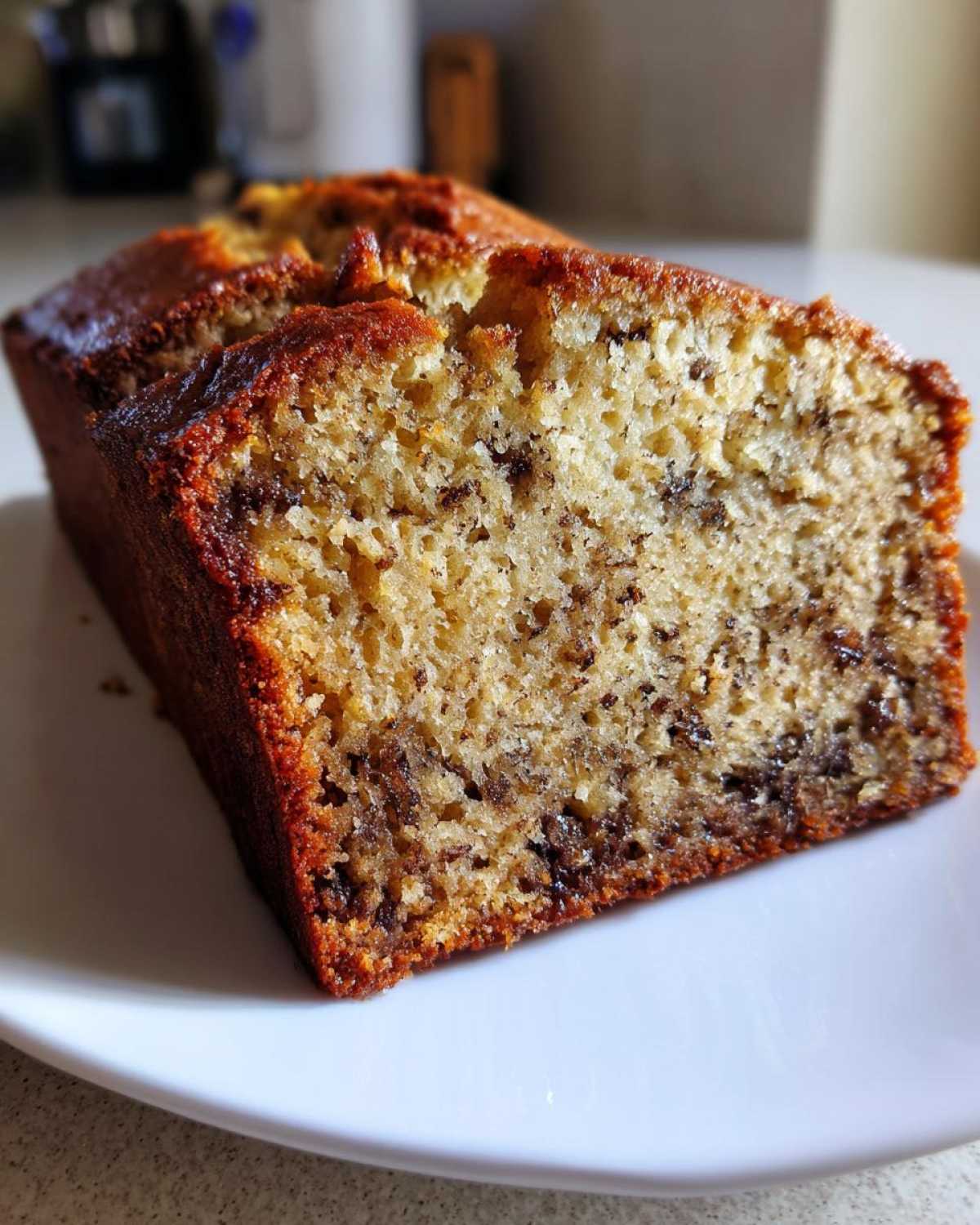
If you’re not eating the whole thing in two days, you can even slice it first, then wrap each slice individually before throwing the whole loaf (still wrapped) into an airtight container. This makes grab-and-go breakfasts so easy! If you want more detailed instructions on keeping loaves fresh for days, I have a deep dive on how to keep banana bread soft that covers everything from freezing to countertop storage.
I generally keep these loaves on the counter at room temperature for three days, wrapping them back up immediately after slicing. If you hit day four, it’s still good, but that intense, fresh-from-the-oven tenderness starts to fade just a little bit. I promise, it won’t last that long anyway!
Troubleshooting Common Incredibly Moist Banana Bread Issues
Even with the best recipe for incredibly moist banana bread, sometimes things go a little sideways. Don’t panic! Nine times out of ten, it’s a small timing or temperature error, not a catastrophic failure. When you’re working with rich ingredients like brown butter and sour cream, you have to pay a little extra attention, especially to how things cool down.
The biggest issue people sometimes report with this recipe is a slightly sunken top. This almost always happens because the heat was too high, or you cut into it too soon. Remember, the brown butter and the high sugar content mean the center is a little more delicate and takes longer to truly set than in a standard recipe. It’s all part of that foolproof banana bread learning curve!
Why Is My Banana Bread Soggy on the Bottom?
That soggy bottom is the worst! It usually means the loaf wasn’t able to breathe after coming out of the heat. Because we bake with so much moisture locked in, that residual steam needs an escape route once it’s out of the oven. If you leave the bread sitting in the hot metal pan for too long—say, more than 20 minutes—that trapped steam turns back into water and weighs down the bottom crust. You need a steady flow of air.
The fix is simple: always let it cool in the pan for just 15 minutes, as the instructions say. Then, invert it onto a wire rack immediately. That rack lets air circulate all around the entire loaf, preventing condensation and keeping that bottom crust firm instead of steaming itself into mush. It’s crucial for moisture retention baking tricks!
My Loaf Didn’t Rise Properly—What Went Wrong?
If your loaf is flat, we have a few suspects. First, check your baking soda. If it’s old, it won’t give you the lift you need to hold up all that heavy moisture we added from the bananas and sour cream. Second, check your mixing. Did you spend too long beating the flour in? That builds gluten and weighs the structure down, leading to a dense, flatter loaf instead of a fluffy and moist baking dream. Stop mixing the second you see the flour disappear!
Can the Brown Butter Be Too Hot When Added?
Absolutely! I mentioned letting it cool slightly, but if you pour scorching hot brown butter into the sugar and eggs, you’re essentially scrambling your eggs, which messes up the emulsification. That leads to a greasy texture rather than a tender crumb. You want the butter warm enough to mix beautifully with the thick brown sugar but cool enough that it doesn’t cook your eggs. This is where you need to trust your senses—when that nutty aroma is there, but the bowl doesn’t feel painfully hot to the touch, you’re good to go for the next step toward that perfect banana bread texture.
Variations for Your Incredibly Moist Banana Bread
While this recipe is absolutely perfect as is—my goal was the moistest loaf possible, after all—I know some of you just can’t stop yourselves from tinkering! The good news is that since this is such a sturdy, moisture-rich recipe, it handles add-ins really well. The key is to stick to things that don’t soak up *too* much of that precious liquid we worked so hard to keep in there. My rule of thumb for any *easy homemade banana bread* addition is to never go over 1 cup total of mix-ins.
If you want crunchy texture, ditch the chocolate for a second and add nuts instead! Walnuts or pecans are my favorite, but you only need to gently fold in about 3/4 cup. If you add nuts, I suggest toasting them first for about 8 minutes at 350°F before tossing them into the batter; it boosts their flavor ten-fold! You can find tons of info on using up those bananas in other ways on my overripe banana recipes page.
For the chocolate lovers out there—and I know you’re there—semi-sweet chocolate chips are a classic. I prefer mixing in about 3/4 cup of standard chips or, even better, using high-quality chunks. The richness of the brown butter pairs shockingly well with dark chocolate.
If you don’t want to mess with solids, you can spice it up! Since we only used a hint of cinnamon, you can double that down or add tiny pinches of nutmeg and ground cloves. Just don’t go overboard; we want the banana and brown butter to shine through, not get lost in a spice cabinet explosion. Small tweaks make a big difference without sabotaging that incredible moisture!
Frequently Asked Questions About Achieving Perfect Banana Bread Texture
I get so many questions after people try this recipe because they’re blown away by how soft it stays! Usually, these questions are all about ensuring they hit that incredibly moist banana bread level again next time. Here are the ones I hear most often when people are trying to nail that perfect banana bread texture.
Can I use frozen bananas? I have a bag in the freezer!
Yes, you absolutely can! Frozen bananas are actually one of my favorite ways to get that concentrated banana flavor and they are usually super soft when thawed. Just make sure you thaw them completely in a bowl first. You’ll notice they release a lot more liquid than bananas you just peel off the counter. That liquid is golden, so don’t dump it out! Just mash it all together with the rest of the wet ingredients. It’s a fantastic way to make sure your loaf stays tender banana bread.
What is the best pan size for this recipe if I don’t have a 9×5?
The 9×5 loaf pan is designed to give us the perfect middle ground for heat penetration, which helps maintain that moist banana bread recipe result without risking sogginess. If you only have smaller loaf pans, say 8×4, your baking time will go up significantly, maybe by 15 or 20 minutes. If you bake it too long while trying to get the center done, you risk drying out the edges, so watch carefully! If you have two smaller pans, dividing the batter works perfectly too, just check for doneness around 45 minutes.
Does the brown butter flavor overpower the banana?
That’s a great question, especially since we’re making such an effort to brown it! Nope! In fact, the brown butter enhances the banana flavor beautifully. The nutty, rich notes of the browned milk solids complement the natural sugars in the overripe bananas and the molasses in the brown sugar. It gives the bread a depth that plain melted butter simply can’t touch. It adds flavor complexity, not bitterness. You still get that classic, sweet, soft loaf, just one with much better background notes. It’s one of my favorite banana bread secrets revealed!
Why is it so important that the eggs are room temperature?
This is one of my core banana bread baking tips. When you mix cold eggs into a bowl of room-temperature or slightly warm brown butter and sugar, the cold temperature solidifies the butter fat again! This fights against all that lovely creaming and mixing we did, leading to a curdled look and a less cohesive batter. Cold eggs introduce lumps, and lumps mean structure fails, which means less fluff and less moisture retention. Always let those eggs sit on the counter while you prep everything else!
Share Your Incredibly Moist Banana Bread Success
Seriously, I can’t wait to hear about your loaf! Making this incredibly moist banana bread felt like such a breakthrough for me, and I’m holding my breath hoping it blows you away too. Once you’ve let it cool completely (I know, it’s the hardest part!), please come back here and leave a rating. Five stars means you got that perfect, tender, stay-soft-for-days texture we fought for!
Don’t just rate it—tell me what you added! Did you go for the chocolate chips or sneak in some toffee bits? Did you try the brown butter and instantly realize how much better it is than regular butter? Drop all the good news and any little adjustments you made in the comments below. I read every single one, and they help future bakers trust this recipe even more.
And if you’re one of those folks who takes beautiful pictures of your bakes (I’m jealous!), snap a shot and tag me! Seeing people enjoy these recipes brings me so much joy. You can find all my latest ramblings and photos over on my main blog page. Happy baking, and enjoy that incredibly moist loaf!
PrintThe Ultimate Incredibly Moist Banana Bread with Brown Butter & Sour Cream
Follow this recipe to make a banana bread loaf that stays incredibly moist using brown butter and sour cream for superior texture.
- Prep Time: 15 min
- Cook Time: 60 min
- Total Time: 75 min
- Yield: 1 loaf (8 servings)
- Category: Dessert
- Method: Baking
- Cuisine: American
- Diet: Vegetarian
Ingredients
- 1 cup (2 sticks) unsalted butter
- 1 3/4 cups all-purpose flour
- 1 teaspoon baking soda
- 1/2 teaspoon salt
- 1/2 teaspoon ground cinnamon
- 1 1/2 cups packed light brown sugar
- 2 large eggs, room temperature
- 1 teaspoon vanilla extract
- 1 cup mashed very ripe bananas (about 3-4 bananas)
- 1/2 cup full-fat sour cream or plain Greek yogurt
Instructions
- Preheat your oven to 350°F (175°C). Grease and flour a standard 9×5 inch loaf pan.
- Melt the butter in a light-colored saucepan over medium heat. Continue cooking, stirring occasionally, until the butter foams, then subsides, and brown bits form at the bottom, giving off a nutty aroma. Immediately pour the brown butter into a heatproof bowl to stop cooking. Let it cool slightly for 10 minutes.
- In a medium bowl, whisk together the flour, baking soda, salt, and cinnamon. Set aside.
- In a large bowl, whisk the slightly cooled brown butter and brown sugar together until well combined.
- Beat in the eggs one at a time, mixing well after each addition. Stir in the vanilla extract.
- Mix in the mashed bananas and the sour cream until just combined. Do not overmix.
- Gradually add the dry ingredients to the wet ingredients, mixing only until no streaks of flour remain. Overmixing develops gluten, leading to a tougher loaf.
- Pour the batter into the prepared loaf pan.
- Bake for 55 to 65 minutes, or until a wooden skewer inserted into the center comes out clean or with moist crumbs attached.
- Let the bread cool in the pan on a wire rack for 15 minutes before carefully inverting it onto the rack to cool completely before slicing.
Notes
- Use bananas that are heavily spotted or almost black for the best flavor and moisture content.
- Do not substitute low-fat dairy for the sour cream; the fat content is necessary for moisture retention.
- To check for doneness without drying the bread, test the center first. If it needs a few more minutes, tent the top loosely with foil to prevent the crust from burning.
- Wrap the cooled loaf tightly in plastic wrap before storing at room temperature to lock in moisture for up to three days.
Nutrition
- Serving Size: 1 slice
- Calories: 380
- Sugar: 28
- Sodium: 250
- Fat: 22
- Saturated Fat: 14
- Unsaturated Fat: 8
- Trans Fat: 0.5
- Carbohydrates: 45
- Fiber: 2
- Protein: 5
- Cholesterol: 85