

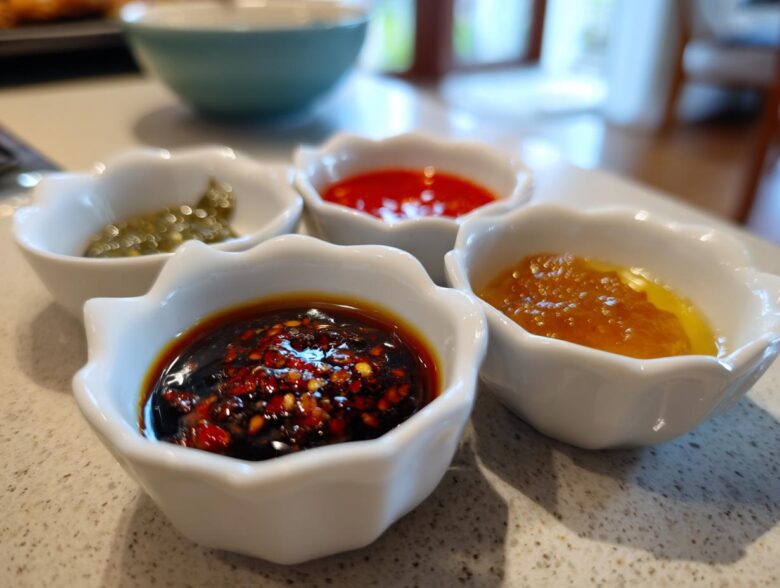
Oh my gosh, you guys, let’s talk about dumplings for a second. Aren’t they amazing? They’re cozy, they’re flavorful, they’re the perfect little pockets of joy. But here’s the scoop: a truly spectacular dumpling is only halfway there without the perfect sidekick. I’m talking about the dipping sauce—the vessel that takes that humble pocket from “good” to “I need five more plates right now.”
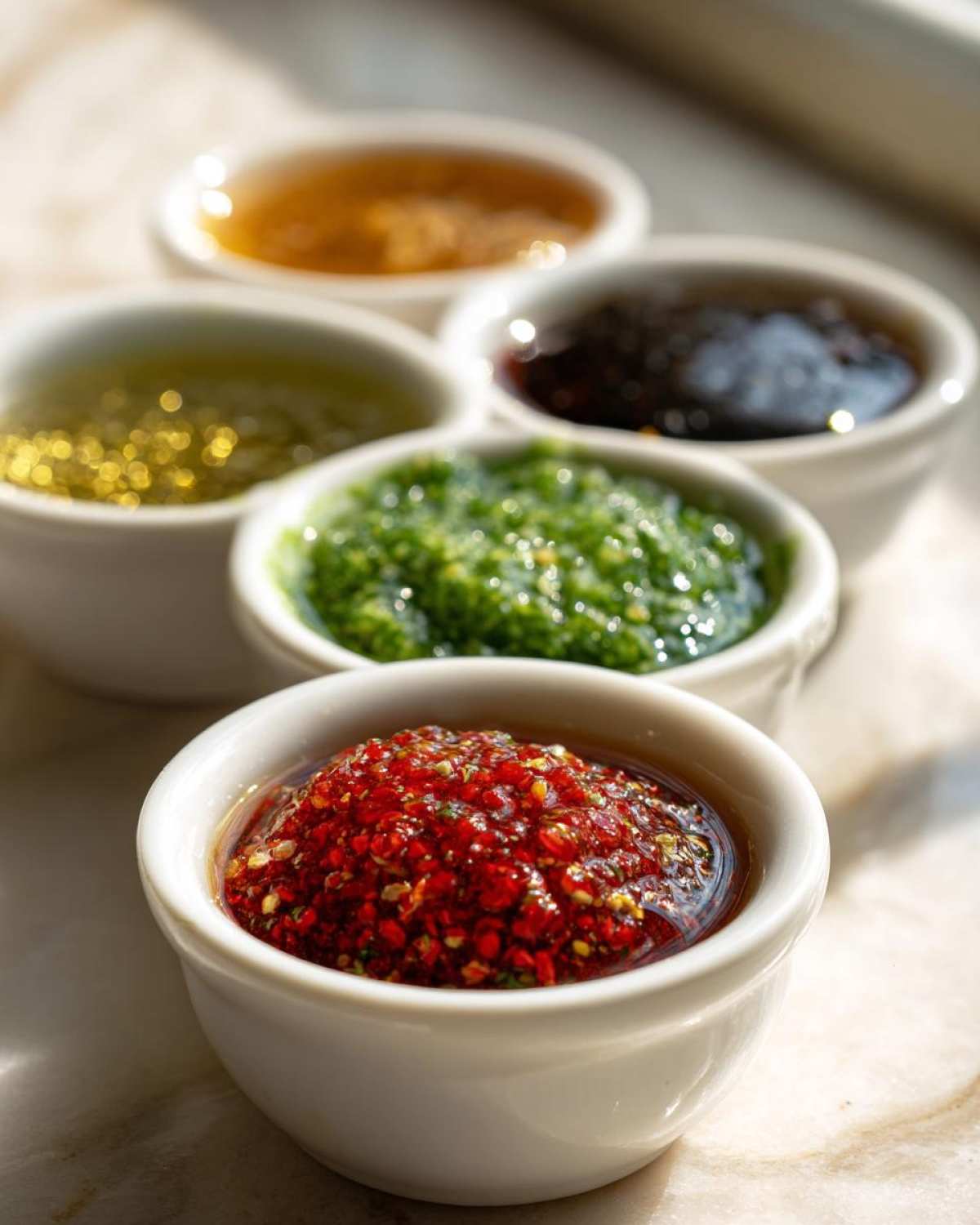
If you’re still shaking up the same old soy sauce every time, you are missing out! I’ve spent years tinkering, tasting, and sometimes just completely failing until I got these flavor profiles just right. Trust me, I know the struggle of a sauce that’s too salty or too thin. That’s why I put together this guide for creating five truly essential Asian **Dumpling Sauce** recipes. We’ve got spicy, we’ve got deep umami, we’ve even got a dreamy peanut version. Mastering the balance of acid, salt, and heat is how you turn dipping into an art form, and I’ll show you exactly how to nail that texture and flavor balance every single time. If you ever need a kick for an noodle dish, remember I have my quick chili garlic noodles recipe that uses similar heat elements!
Why This Homemade Dumpling Sauce Recipe Guide Works (E-E-A-T Focus)
Look, I’m not claiming to be some five-star chef, but after years of trying every boxed sauce out there, I know what I’m talking about when it comes to dipping sauce flavor construction. The secret here isn’t just throwing things in a bowl; it’s about hitting those four crucial spots: Salt, Acid, Heat, and Umami. Nail those, and you win! We keep things lightning fast here, too. Seriously, the prep time for these mixtures clocks in at just 10 minutes total, which is faster than running to the store. You’re getting my tested ratios so you can trust the depth of flavor in every single **dumpling sauce** you make. For more of my reliable recipes, feel free to browse my general recipe index!
Essential Chinese Dumpling Sauce Ingredients and Preparation
Okay, time to open the pantry! Since we are making five different sauces, I’m going to list everything we need upfront so you can gather your stars before we start mixing. Remember, for the absolute best **dumpling sauce**, you can’t cheat on the basics. Try to get decent light soy sauce; the difference between brands is shocking. For vinegars, Chinese black vinegar is non-negotiable for that specific sharp, malty note, but I’ll give you a swap below!
- 1/4 cup light soy sauce
- 2 tablespoons Chinese black vinegar
- 1 tablespoon rice vinegar
- 1 tablespoon sesame oil
- 1 teaspoon sugar
- 1 teaspoon grated fresh ginger
- 1 clove garlic, minced
- 1 teaspoon chili garlic sauce (or to taste)
- 2 tablespoons smooth peanut butter (for Peanut Sauce only)
- 1 tablespoon water (for Peanut Sauce only)
- 1/2 teaspoon chili flakes (for Chili Oil Based Sauce only)
This list looks short, which is why it’s so fast to pull together! If you want to see how a few of these core flavors can be transformed into a totally different dish, check out my one-skillet beef stroganoff for inspiration!
Ingredient Notes and Substitutions for Your Dumpling Sauce
Don’t panic if you’re missing something specific! This is my favorite part—making it work with what you have. For Chinese black vinegar, if you absolutely can’t find it, use a good quality balsamic vinegar in a pinch, but use about half the amount because the flavor is much stronger.
If you don’t have chili garlic sauce, Sriracha works fine, but start with half a teaspoon and taste it before adding more, as it’s usually hotter. For the fresh ginger and garlic? Please don’t use the jarred stuff if you can help it. Freshly grated ginger is the key to that bright pop in the Soy-Ginger blend. It just tastes cleaner!
How to Prepare Five Distinct Dumpling Sauces
Alright, this is where the magic happens! It really is just mixing, but the order and selection make all the difference. We’re going to mix these up one by one. Once you get the basic framework down, you can start mixing and matching components for your own signature **Dumpling Sauce** blend!
First up, let’s create the classic Soy-Ginger Sauce. Just grab a small bowl and whisk together the soy sauce, both vinegars, sesame oil, sugar, your grated ginger, and that minced garlic. Whisk it until the sugar looks like it’s completely vanished. That’s it for Sauce Number One—see how easy that was?
Achieving the Best Potsticker Dipping Sauce Balance
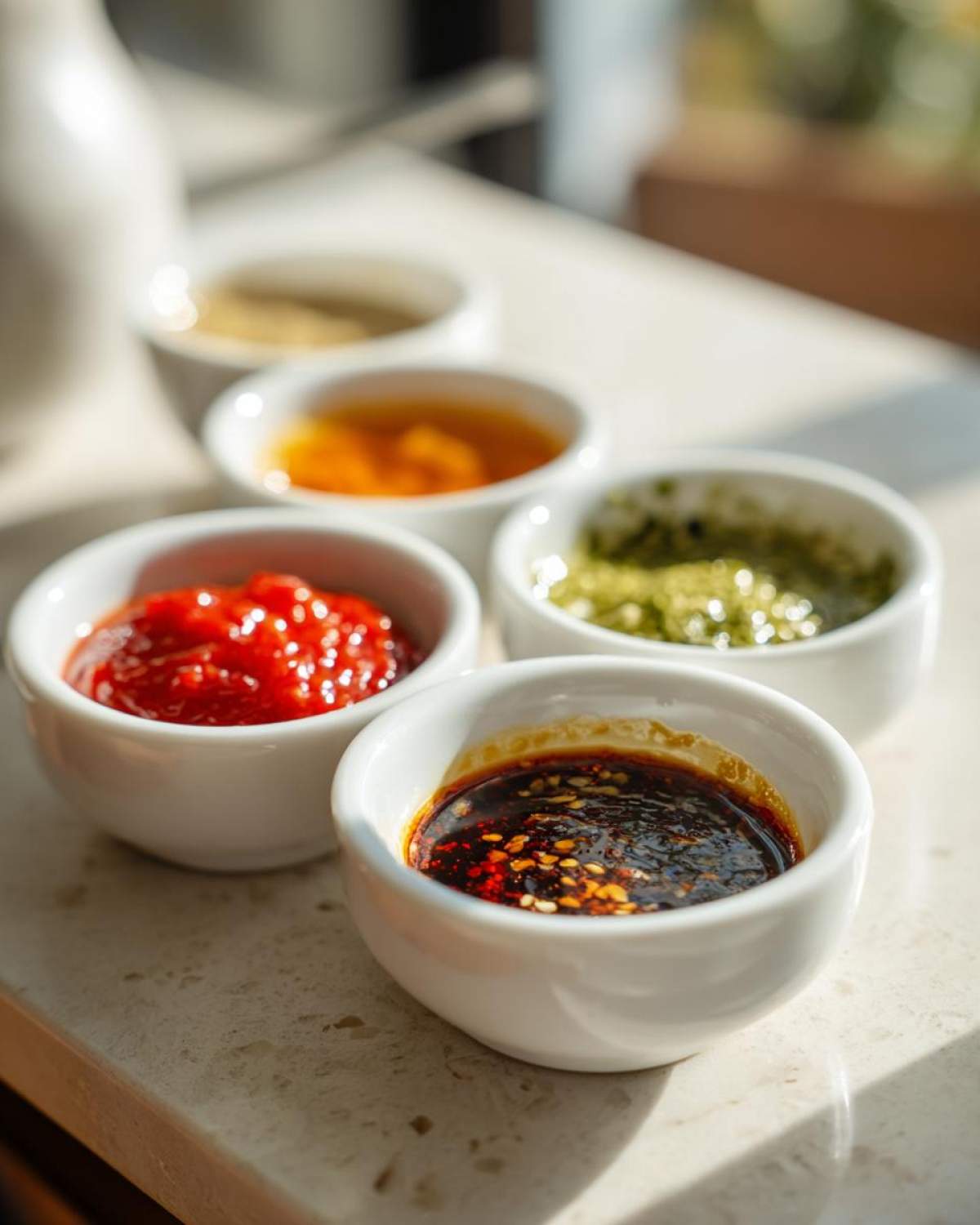
The Soy-Ginger mixture is absolutely king when you are serving crispy potstickers. The acid from the vinegar is so important here; it cuts right through the fat of the filling and brightens up every single bite. If you’re going for the super simple Black Vinegar Blend, just take your black vinegar, add a quick dash of soy sauce, and a tiny pinch of sugar. Don’t overthink it on this one! Sometimes the simplest dips let the actual dumpling flavor shine the brightest. If you’re making roasted things later, you can use similar sharp notes in my lemon garlic roasted potatoes recipe!
Crafting the Ultimate Spicy Chili Oil Sauce for Dumplings
Time to bring the heat! For the Spicy Chili Oil Based Sauce, we use that chili garlic sauce mixed in with the soy sauce, vinegar, and sesame oil base we talked about. But here’s the key: toss in those dry chili flakes. Stir everything really well. If you want your **dumpling sauce** seriously spicy, add more chili flakes and let the whole mix sit for about five minutes. That time lets the heat really bloom and infuse the oil properly. Taste it gingerly at first, it sneaks up on you!
Making the Creamy Peanut Dumpling Sauce Recipe
Ah, the luxurious peanut sauce! This one takes a tiny bit more technique just to get the texture right. You have to whisk that smooth peanut butter with a little bit of *warm* water first. If the water is cold, you’ll get lumps, and nobody wants chunky peanut sauce! Whisk it until it looks silky, then blend in the soy sauce, a tiny bit of vinegar, and sugar. If it looks too thick at the end—like paste—just add a teaspoon more water until it flows nicely over a cooked dumpling.
Once all five are mixed, take a tiny taste test of each one. This is the most crucial step. Are they balanced? Too sharp? Add a grain of sugar. Too flat? Add a drop more vinegar. Adjusting these tiny amounts is what makes your homemade flavors miles better than anything bottled.
Tips for Success: Perfecting Your Dumpling Sauce Every Time
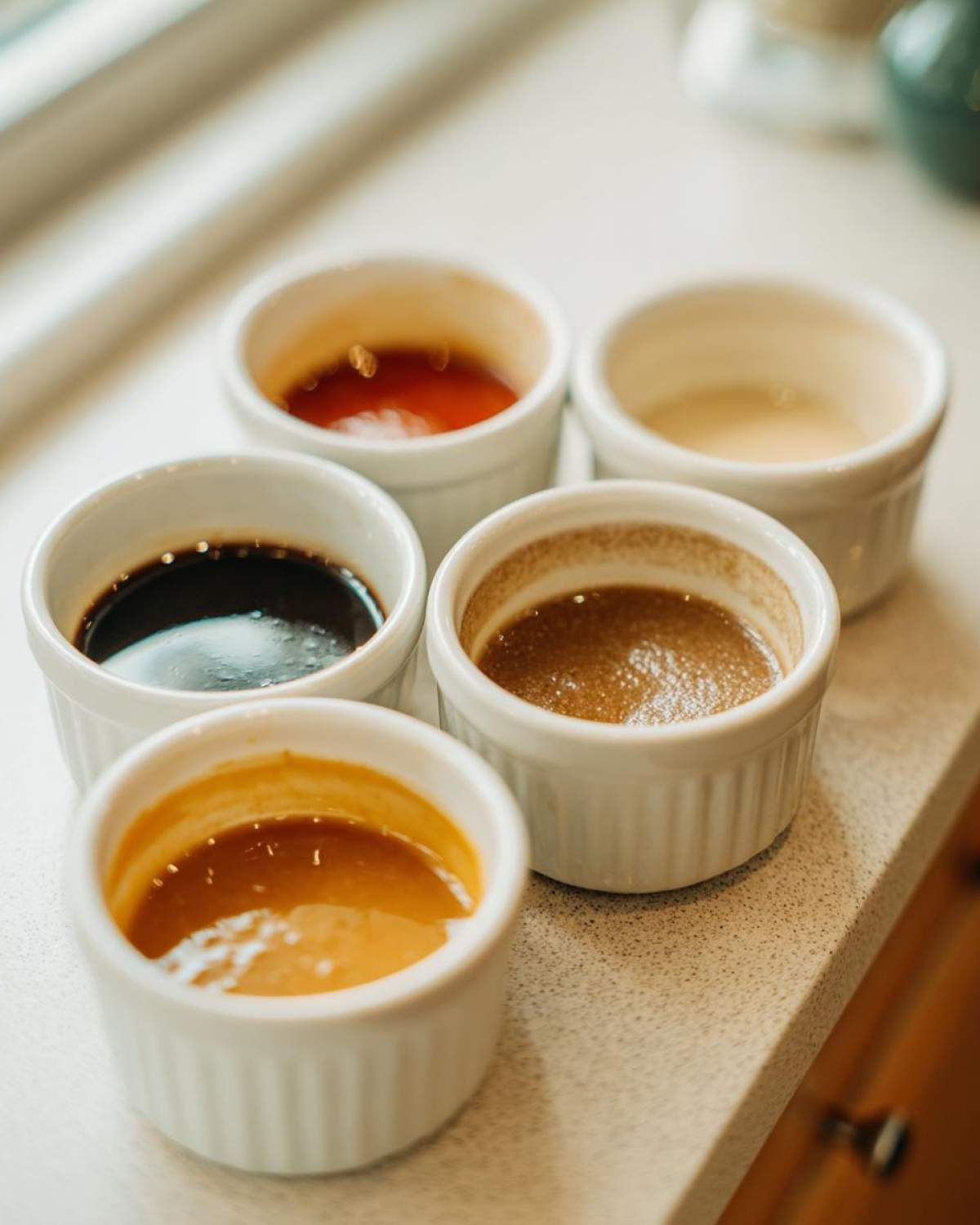
Even with the best recipe, sometimes we mess up the measurements, right? Don’t toss that bowl! If you accidentally added too much soy sauce and your **dumpling sauce** tastes like the sea, rescue it immediately by stirring in a tiny pinch of sugar or just a few drops of plain water. Sugar cuts saltiness beautifully. We are looking for balance, not a sodium bomb!
And what if you made the peanut sauce or the sweet and savory version, and it’s just a little too thin? Here’s my little secret: a cornstarch slurry! Mix just half a teaspoon of cornstarch with one teaspoon of cold water until it’s smooth—like thin glue. Add that tiny bit to your sauce and gently heat it on the stove. It thickens right up, giving you that perfect consistency that clings to your gyoza wrapper. Trust me, fresh ginger and garlic are always going to give you a cleaner, zestier flavor than the jarred, dried versions. For quick, flavorful chicken ideas that can use similar herbs, check out my honey butter chicken biscuits!
Storage and Freezer Friendly Dumpling Sauce Tips
This is one of the best parts about mastering your own **dumpling sauce**: you can make a big batch! You aren’t going to want to whip up five different dips every time you make dumplings, that’s just silly. These mixtures are super stable, especially the vinegar and soy-based ones.
For the Soy-Ginger, Black Vinegar, and Spicy Chili Oil sauces, just pop them into clean, airtight jars or containers and they are good to go in the fridge for up to two days. They hold their flavor incredibly well, which makes them fantastic for meal-prepping ahead of that big takeout night you’re secretly planning.
The Peanut Sauce is the one you have to keep an eye on. Because it has actual fat solids in it, it gets really stiff once it chills down—it turns proper solid! Don’t worry that you ruined it. Just take it out of the fridge about 15 minutes before you plan on serving, or give it a good, vigorous whisk when you pull it out. You might need to add just one teaspoon of warm water to loosen it back up to that perfect pourable consistency we worked so hard to achieve. If you’re batch cooking desserts too, these tips are similar to how I treat my churro cheesecake bars—make ahead storage is the real secret weapon in my kitchen!
Serving Suggestions: Pairing Your Dumpling Sauce
You’ve got five amazing sauces ready to go, so now it’s time to figure out who gets paired with who! This is how you elevate the entire spread from just ‘appetizers’ to a real meal experience.
For those beautiful, delicate soup dumplings—the ones that burst with hot broth inside—you want something sharp that won’t overpower the delicate filling. My go-to is always the super simple Black Vinegar Blend. It’s clean, strong, and cuts through that savory broth perfectly. Just a little dip, sip the soup, then enjoy the wrapper!
When you’re serving up chewy, pan-fried potstickers or crispy gyoza, the richer flavors work better. The classic Soy-Ginger Sauce is absolutely fantastic here because the fresh garlic and ginger stand up nicely to that browned, crunchy wrapper. It’s a timeless pairing for a reason!
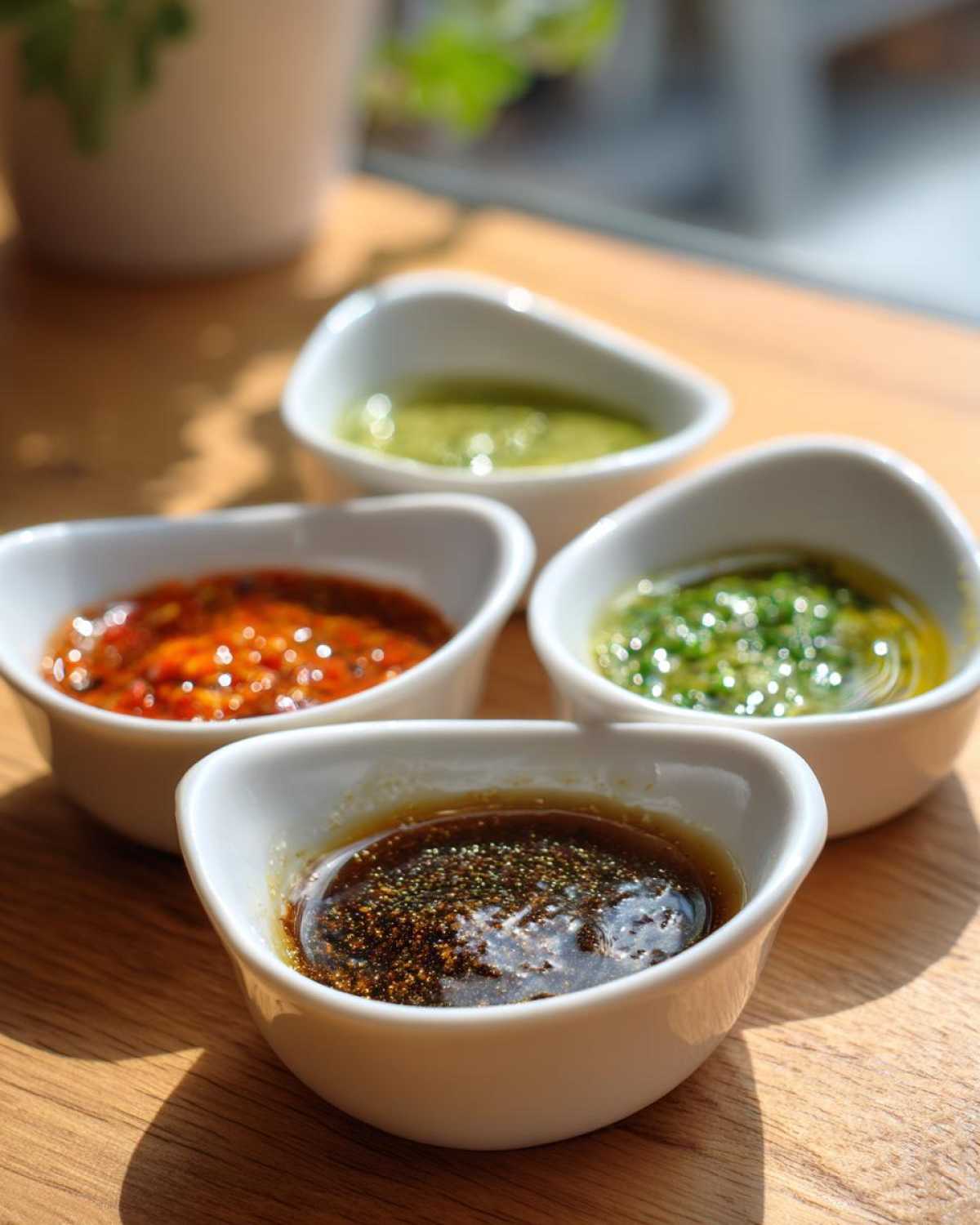
The Spicy Chili Oil Sauce is demanding, and rightly so! It wants something robust. This sauce is absolutely incredible spooned over steamed shrimp dumplings or even thick, chewy boiled pork dumplings. If you love heat, this is your star player. It’s almost too good for just dumplings, if I’m being honest.
Now, save the best for last: the Peanut Sauce. This one is my wildcard! While it’s amazing with any veggie dumpling, it really shines when paired with something lighter and fried, like crispy spring rolls or maybe even some homemade chicken skewers hanging out on the appetizer table. If you’re looking for a warming drink to go alongside all this amazing food, you have to try my recipe for mulled wine—it’s the perfect cozy contrast to all this savory dipping!
Don’t forget the Sweet & Savory blend! I usually keep that one handy for when I’m serving my kids. It’s mild enough for their sensitive palates but still offers that nice sweet-tangy note that pairs well with plain steamed wontons.
FAQ: Mastering Your Savory Dipping Sauce for Asian Appetizers
It’s time to answer all those little questions that pop up right after you think you’ve nailed the recipe! People always have questions about getting those ratios perfect, especially when they are trying to customize a great **homemade dumpling sauce recipe**. Don’t worry; we’ve all been there messing around with the salt levels!
If you love the flavor but want to try something new after mastering these, I made an incredible Mexican street corn dip that uses a similar mentality of balancing creamy, tangy, and spicy flavors!
What is the ideal ratio for a basic Soy-Ginger Dumpling Sauce?
For a truly solid, straightforward foundation that lets you taste the fresh ginger, keep this ratio in your head like a mantra: think 4 parts Soy Sauce to 2 parts Vinegar to 1 part Sesame Oil. So, if you use 4 tablespoons of soy sauce, use 2 tablespoons of your vinegar mix and 1 tablespoon of sesame oil. Then you just add your minced garlic, ginger, and a tiny bit of sugar to taste. That’s the core ratio for a fantastic *potsticker dipping sauce*!
Can I make this Dumpling Sauce ahead of time?
Yes, most definitely! I mentioned this before, but it bears repeating because it’s so helpful. The vinegar and soy-based sauces (Soy-Ginger, Black Vinegar, Spicy Chili Oil) are perfectly great if made a day or two ahead. They keep really well in the fridge covered. The only one you need to quickly whisk right before serving is that dreamy peanut sauce, just because the texture stiffens up in the cold. But honestly, for the absolute **best dumpling dipping sauce**, whipping them up fresh while the dumplings boil is always the goal!
How do I achieve an Umami Rich Dipping Sauce without MSG?
This is such a smart question! You absolutely do not need MSG if you know how to build umami naturally. The soy sauce does a lot of the heavy lifting, but for an extra layer of savory depth, try adding half a teaspoon of dried mushroom powder to your mix—it’s a total game changer for any *savory dipping sauce for Asian appetizers*! If you aren’t strictly vegetarian, a tiny dash of fish sauce gives you that deep, funky umami kick that other ingredients just can’t replicate. It’s all about layering those savory notes in your **dumpling sauce**!
Nutritional Estimates for Your Dumpling Sauce
Okay, now I know some of you lovely folks track macros, so I wanted to give a rough idea of what’s in these little bowls of flavor. Remember, these numbers are based on using the recipe amounts to create about 1/2 cup of one sauce, and then dividing that into four servings—so, about a 2-tablespoon serving size. Because we are mixing five different sauces, the flavor profiles—and frankly, the sodium levels—will vary wildly depending on which one you choose to dip into!
Please take this nutrition info with a grain of salt, okay? I’m an enthusiastic cook, not a certified nutritionist! The brand of soy sauce you use, how much sugar you decide *you* need for your personal perfect balance—it all changes the final count. If you used heavy peanut butter in the peanut sauce, your fat content is going to be way higher than the standard mixture. Think of this as a helpful guideline, not a strict guarantee. For dinner inspiration that uses easy measurements, check out my slow cooker maple Dijon chicken—those ratios are much easier to nail down!
Here’s the breakdown for a standard 2-tablespoon serving of one of the simpler, non-peanut based sauces:
- Serving Size: 2 tablespoons
- Calories: 45
- Sugar: 2 grams
- Sodium: 450 mg (See? That soy sauce adds up fast!)
- Fat: 3 grams
- Saturated Fat: 0.5 grams
- Unsaturated Fat: 2.5 grams
- Trans Fat: 0 grams
- Carbohydrates: 3 grams
- Fiber: 0.5 grams
- Protein: 1 gram
- Cholesterol: 0 mg
As you can see, they’re pretty low in sugar and fat, unless you go heavy on the peanut butter, which is totally worth it sometimes! The sodium is the main thing to watch, especially if you are eating these sauces alongside salty dumplings. Just remember what I always say: Flavor first, counting second!
Share Your Favorite Dumpling Sauce Creations
Okay, we’ve simmered, we’ve whisked, and we’ve tasted five totally different, amazing options for your next batch of dumplings! Now it’s your turn to tell me what you think!
I absolutely need to know which of these five essential **Dumpling Sauce** recipes became your go-to. Was it the sharp tang of the Black Vinegar Blend? Did you go full-throttle spicy with the Chili Oil sauce? Or are you secretly addicted to the creamy Peanut option like I am when serving spring rolls?
Please drop a comment down below, tell me which sauce you loved most, and if you managed to successfully create your own perfect balance by tweaking the acid or heat. If you tried a substitution that you think everyone else needs to know about—maybe using lime juice instead of rice vinegar, or adding toasted sesame seeds for crunch—definitely let me know!
And hey, if you made a whole platter of dumplings and devoured them thanks to these recipes, I’d love if you gave this guide a quick rating so other folks know they can trust my dipping sauce wisdom! Happy dipping, everyone! If you’re looking for another incredibly easy appetizer pairing, you have to try my crispy ranch chicken thighs sometime soon!
PrintFive Essential Asian Dumpling Dipping Sauces
Learn to make five fundamental dipping sauces for your dumplings, covering spicy, savory, umami, and sweet profiles.
- Prep Time: 10 min
- Cook Time: 0 min
- Total Time: 10 min
- Yield: About 1/2 cup per sauce
- Category: Condiment
- Method: Mixing
- Cuisine: Asian
- Diet: Vegetarian
Ingredients
- 1/4 cup light soy sauce
- 2 tablespoons Chinese black vinegar
- 1 tablespoon rice vinegar
- 1 tablespoon sesame oil
- 1 teaspoon sugar
- 1 teaspoon grated fresh ginger
- 1 clove garlic, minced
- 1 teaspoon chili garlic sauce (or to taste)
- 2 tablespoons smooth peanut butter (for Peanut Sauce only)
- 1 tablespoon water (for Peanut Sauce only)
- 1/2 teaspoon chili flakes (for Chili Oil Based Sauce only)
Instructions
- For the Soy-Ginger Sauce: Combine soy sauce, black vinegar, rice vinegar, sesame oil, sugar, ginger, and garlic in a small bowl. Whisk until the sugar dissolves.
- For the Black Vinegar Blend: Mix black vinegar, a dash of soy sauce, and a pinch of sugar. This sauce is simple and sharp.
- For the Spicy Chili Oil Based Sauce: Combine soy sauce, black vinegar, sesame oil, chili garlic sauce, and chili flakes. Stir well.
- For the Sweet & Savory Sauce: Mix soy sauce, rice vinegar, sugar, and a small amount of water until balanced.
- For the Peanut Sauce: Whisk peanut butter with warm water until smooth. Then, mix in soy sauce, a touch of vinegar, and a small amount of sugar. Adjust consistency with more water if needed.
- Taste each sauce and adjust ingredients to match your preference for salt, acid, or heat.
- Serve sauces immediately alongside hot dumplings.
Notes
- If your sauce is too salty, add a few drops of water or a small pinch of sugar to balance the sodium.
- For a thicker sauce, add a small amount of cornstarch slurry (1/2 teaspoon cornstarch mixed with 1 teaspoon cold water) to the mixture and briefly heat it until it thickens slightly.
- You can prepare these sauces up to 2 days ahead and store them covered in the refrigerator.
Nutrition
- Serving Size: 2 tablespoons
- Calories: 45
- Sugar: 2
- Sodium: 450
- Fat: 3
- Saturated Fat: 0.5
- Unsaturated Fat: 2.5
- Trans Fat: 0
- Carbohydrates: 3
- Fiber: 0.5
- Protein: 1
- Cholesterol: 0