

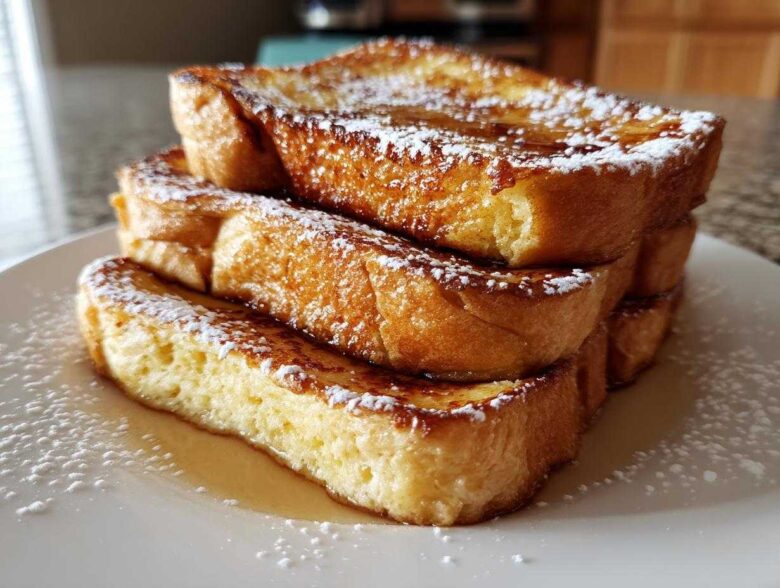
Morning chaos, right? You want something comforting, something that tastes like you spent hours lovingly soaking bread in eggs, but you only have about fifteen minutes before you have to wrestle the kids into the car. We’ve been there—Ben once burned a whole stick of butter trying to get the heat just right on a rushed Saturday. But fear not! We rescued this classic concept from the ash heap of under-developed recipes. This easy french toast delivers unbelievably fluffy, custardy results with crispy edges in under 20 minutes total. It’s genuinely the kind of quick french toast recipe that makes you feel like your morning is already winning, no matter what happens next. If you’re looking for more great morning ideas, check out our general category for best breakfast recipes!
Why This is Your New Favorite easy french toast Recipe
We promise, this isn’t just another standard, thin, sad slice of bread you cooked too fast. We perfected this formula specifically because we hate when recipes waste our time! It comes in under 20 minutes total—our official time is usually hanging around 17 minutes if we’re moving quickly. That’s why we call this our favorite quick french toast recipe; it fits into even the busiest schedule.
Here’s the quick breakdown on why you should trust our process for the right texture:
- It hits that sweet spot between crispy edges and that wonderful, soft center we all crave.
- This recipe focuses tightly on getting custardy french toast tips right, meaning less fuss and more flavor.
Speed: French Toast in Under 20 Minutes
Seriously, look at the times! Five minutes prep, twelve minutes on the skillet. That’s it. We used this exact method the morning Noah’s pipe burst and we had to call the plumber while simultaneously feeding three hungry people before school run chaos ensued. It saved us! When you need results fast, this recipe is our go-to solution for family breakfast ideas easy.
Texture Guaranteed: Fluffy French Toast Instructions
The secret to the fluffiness isn’t mixing it for an hour; it’s using the right bread and soaking it just long enough that it absorbs all that lovely egg mix without turning into mush. We are very strict about using thick slices—thin bread just can’t handle the batter we use here. If you follow our fluffy french toast instructions regarding the soak time, you’ll get that perfect pillowy lift in every bite.
If you’re tired of soggy breakfasts, you need to check out what happens when you use slightly sturdy bread, which we talk all about in our bread selection tips over here: Why Bread Matters for Great Fritters.
Gathering Ingredients for easy french toast
Okay, let’s talk supplies. Because this is an easy french toast recipe, we kept the ingredient list super short, but every single item matters—especially the bread. If you use the skinny, square stuff, you’re going to end up with something sad and wet, and we can’t have that. We need structure to support that lovely custard bath we’re making!
Here is exactly what you need to gather up before you start whisking:
- Six large eggs—don’t try to skimp here, the eggs are key to the richness!
- Half a cup of good whole milk. Yes, whole milk, please.
- One teaspoon of pure vanilla extract—smells like heaven, right?
- Half a teaspoon of warming cinnamon.
- Just a pinch of salt to balance the sweetness.
- Eight slices of thick-cut bread (this is non-negotiable, see below!).
- Two tablespoons of unsalted butter, strictly for cooking.
Bread Selection for the Best Results
This is where Ben and Noah actually argued for twenty solid minutes. Ben wanted to try stale sourdough, and Noah insisted on brioche for maximum richness. We compromised because you deserve the best of both worlds. You absolutely must use thick-cut bread for this method. I’m talking about maybe an inch thick, if you can manage it. Think brioche or challah if you can find it!
Why thick? Because the batter is rich, and we want that lovely center to turn custardy, not just soggy. Thin bread soaks up the egg mixture too fast, and by the time the outside is golden brown, you’re left with soup in the middle. If your bread is fresh, just toast it lightly first! That tiny bit of drying time makes all the difference between a good breakfast and truly fantastic simple french toast.
Mastering the Classic French Toast Batter
Okay, now we get to the heart of the recipe: the bath. This isn’t some skimpy four-ingredient mixture. We actually spent time fiddling with the ratios to make sure this classic french toast batter delivers that perfect balance of flavor and soak-ability. I remember when Ben first tried just dumping everything in the dish and splashing the bread around—disaster! We ended up with one side drenched and the other completely dry. Not good for delicious yet easy brunch!
The key here is the equipment and the technique. Don’t wreck your glorious thick bread by trying to mix this in a massive bowl where you can’t reach the bottom. You need a shallow dish—something large enough for a slice of bread to lay flat, but not so deep that you waste the mixture. I use one of those rectangular glass Pyrex dishes; it catches the drips nicely.
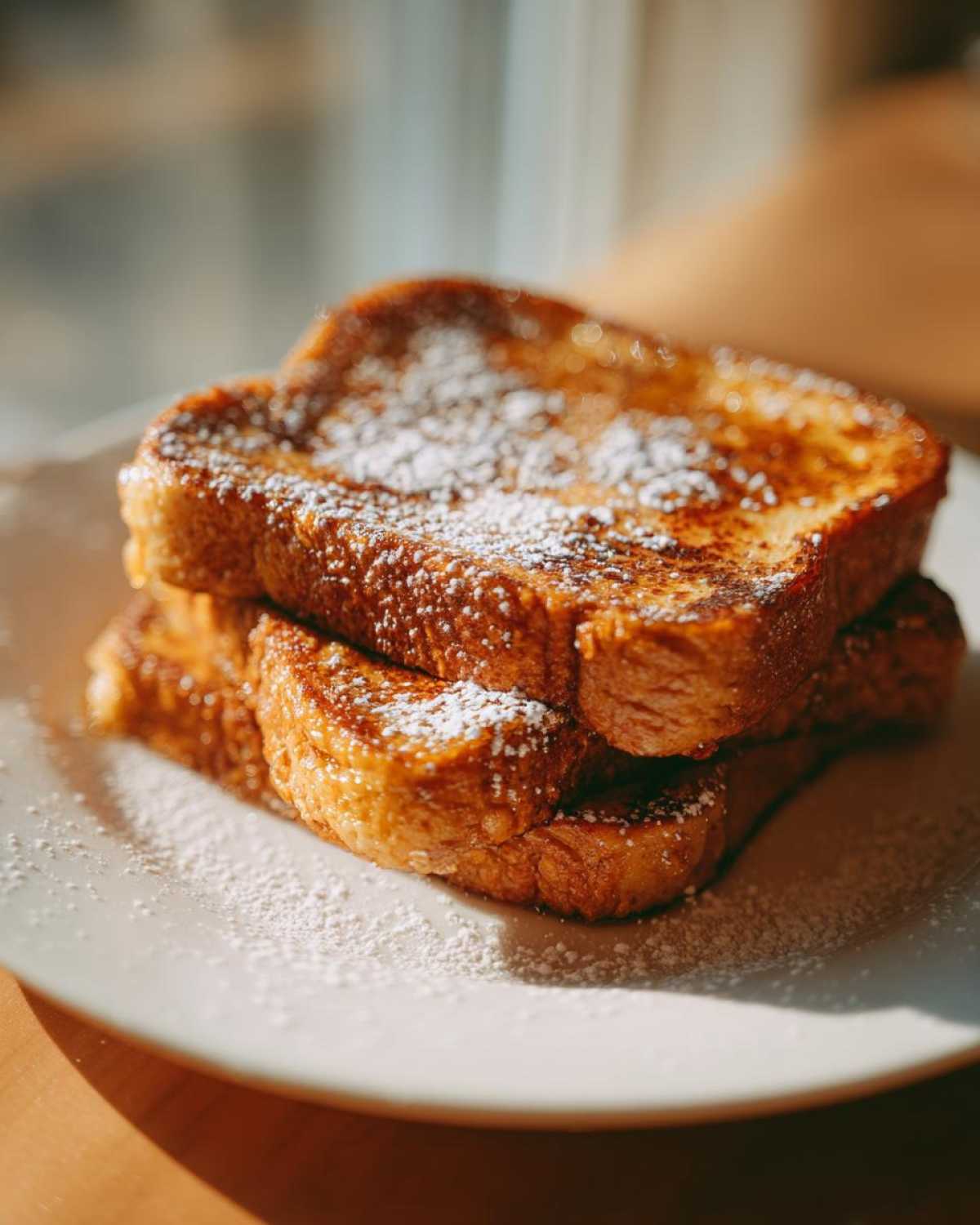
Get your whisk out and really commit to this part. You are whisking six eggs, milk, vanilla, cinnamon, and salt together until they look completely uniform. I mean, you need to whisk until you can’t see any pockets of pure white (uncooked egg white) or pure yellow (uncooked yolk).
If you see streaks, you risk ending up with those weird cooked-egg lumps in your final product, and honestly, who wants that on their morning? Take your time, maybe a solid minute of proper beating. It builds the flavor foundation before this mixture even touches the pan. Trust me; this step is honestly where we turned a decent breakfast into one of our truly best breakfast recipes.
If you want to see how we fixed another recipe that relied on a tricky liquid base—our Chili Garlic Noodles—you can check out the science behind that fix here: Chili Garlic Noodles Rescue. It’s all about mastering the liquid base!
How to Prepare your easy french toast Step-by-Step
Alright, we have our perfect batter, we have our sturdy bread—now we move on to the actual cooking. This is where people panic, but honestly, this is the easiest part once you know the heat level. Learning how to make french toast that doesn’t burn on the outside while staying raw inside is all about managing that heat. We want that beautiful, toasted surface, not a charcoal situation!
Preheating and Buttering the Skillet
Grab your biggest non-stick skillet or your griddle and get it going over medium heat. This is important! If your pan is screaming hot, the outside will instantly char before the middle has a chance to absorb the egg and get custardy. We add about half of the butter right away and let it melt down. You need to wait until that butter starts to sizzle invitingly; if it’s just sliding around, the pan isn’t ready. That sizzle right before the foam subsides is the perfect moment to drop the soaked bread down.
The Perfect Soak and Cook Time
Here’s my biggest rule for soaking: think slow enough to saturate, but fast enough not to dismantle. For our thick bread, I let each side sit in that yummy egg mixture for a solid 15 to 20 seconds. You want it heavy and dripping just a little bit when you lift it out, but it shouldn’t collapse under its own weight. Once it hits that hot, buttered surface, let it cook for three to four minutes per side. You’re aiming for that deep, rich golden brown french toast color. Remember to add the rest of the butter halfway through so the second batch gets the same love as the first!
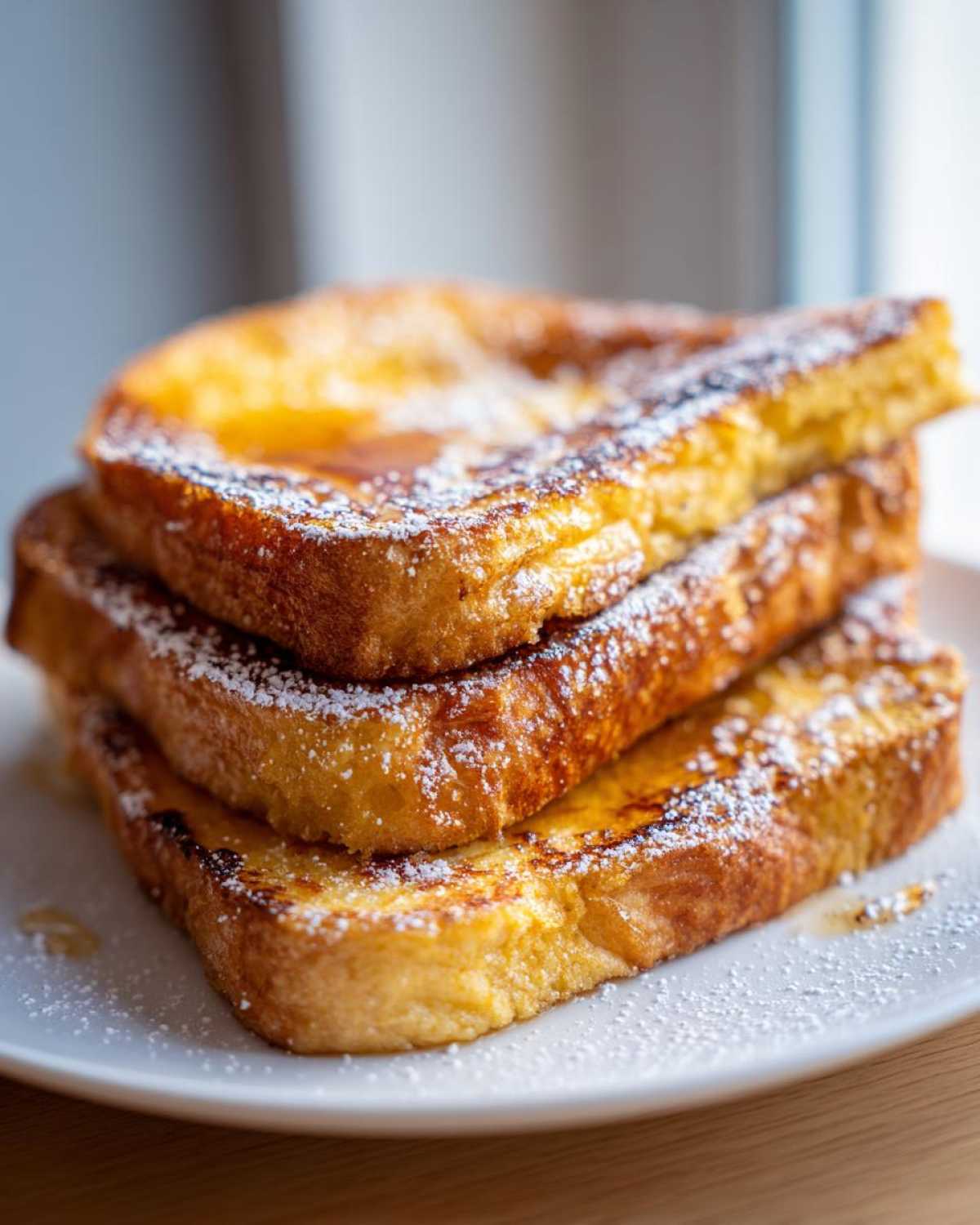
We rely on this stovetop technique because it lets us serve everything warm off the pan. If you’re looking for more speedy dinner solutions while you’re mastering breakfast, check out our One Skillet Beef Stroganoff rescue—it keeps kitchen cleanup to an absolute minimum!
Tips for achieving Golden Brown French Toast Success
Look, anyone can drop bread in a pan, but we’re aiming for legendary status here. If you want that perfect gradient—crisp edges melting into a soft, hot center—you need more than just following Step 4. This is where we bring in the real expertise that separates a good easy french toast morning from a truly spectacular one. Trust me, Ben nearly ruined Thanksgiving brunch once by ignoring the heat settings, so listen to this part!
Preventing Soggy Bottoms: Custardy French Toast Tips
Let’s talk bread again because this is the secret sauce for those custardy french toast tips everyone raves about. The recipe calls for thick bread, but if you can find bread that’s a day or two old—slightly stale—you hit the jackpot. Why? Super fresh bread is like a sponge that just keeps soaking, soaking, soaking. By the time you flip it, it’s drowning in batter, and there’s no structure left when it hits the griddle.
Stale bread has lost some internal water content, meaning it *needs* that egg mixture to become moist again. It soaks up exactly the right amount, leaving you with that firm edge while the absolute center puffs up wonderfully. If your bread is warehouse fresh, I always give it a quick 30-second toast in a dry pan first. It sounds like extra work, but it guarantees you won’t end up with that heavy, half-cooked weight at the bottom of your plate.
Temperature Control for even Cooking
This is probably the biggest pitfall for people making easy french toast—they rush the heat. I know you see that butter sizzle and think, “Yes! More heat, faster cooking!” Nope. That’s how you get that instantly burnt, black crust while the inside is still cold and runny, which is the exact opposite of what we want. That happens when the outside cooks way faster than the inside has time to set and absorb heat.
Medium heat is your best friend. Aim for that steady, happy sizzle—not a violent spitting frenzy. That lower, controlled heat allows the egg custard time to penetrate deeply into the bread while the exterior slowly browns to that beautiful, even golden brown french toast shade we’re chasing. Patience, even when you’re in a rush—it pays off big time!
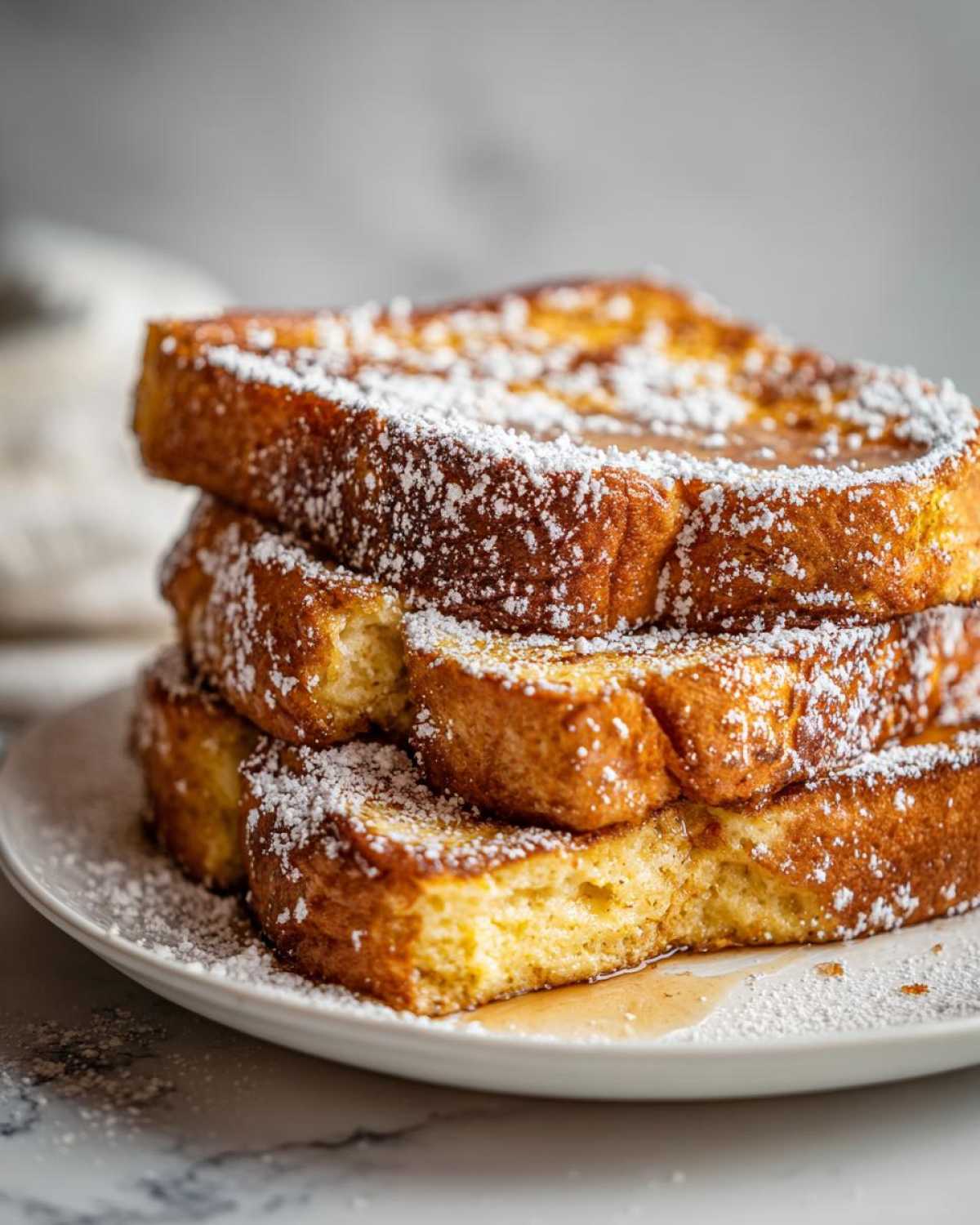
For days when you need that speed but still want amazing flavor, make sure to check out our tips for Honey Butter Chicken Biscuits—they’re surprisingly fast!
Simple French Toast Variations for Weekend Brunch Recipes Simple
So, you’ve mastered the base recipe—amazing! Now, while this core recipe is built for speed, sometimes you want to dress it up a little bit, especially if you’re hosting friends for weekend brunch recipes simple that still feel special. The great thing about this simple french toast is that it’s a perfect blank canvas. We aren’t talking about turning it into some complicated overnight casserole—we are keeping it skillet-friendly and fast!
Cinnamon Vanilla French Toast Boost
If you’re feeling bold (or just love warm spices), try a little boost right in the batter. We love the vanilla and cinnamon combo we used, but for an extra layer of cozy flavor, try adding just a tiny pinch of nutmeg—like, a quarter teaspoon max—to your egg mixture. It complements the cinnamon beautifully without overpowering the egg flavor. Or, if you’re feeling decadent, go ahead and bump that initial half teaspoon of cinnamon up to a full teaspoon. It gives you that deep, rich flavor profile without adding any more cooking time whatsoever!
Easy Topping Ideas
Honestly, toppings are the easiest way to transform this from Tuesday breakfast necessity to Sunday feast. Keep it simple! You don’t need to make a full fruit compote; just toss some quick berries in a small bowl with a few grains of sugar and let them sit while the French toast cooks. Instant sauce!
For those who like it sweeter, you can dust them with powdered sugar—that classic look always impresses. But my real secret here is a light drizzle of good quality honey. If you love that golden, caramelized sweetness that honey brings but don’t want to make a full honey butter sauce, just drizzle it on top right before serving. It’s quick, it pairs perfectly with the cinnamon, and it counts as a great addition to your sweet breakfast treats rotation!
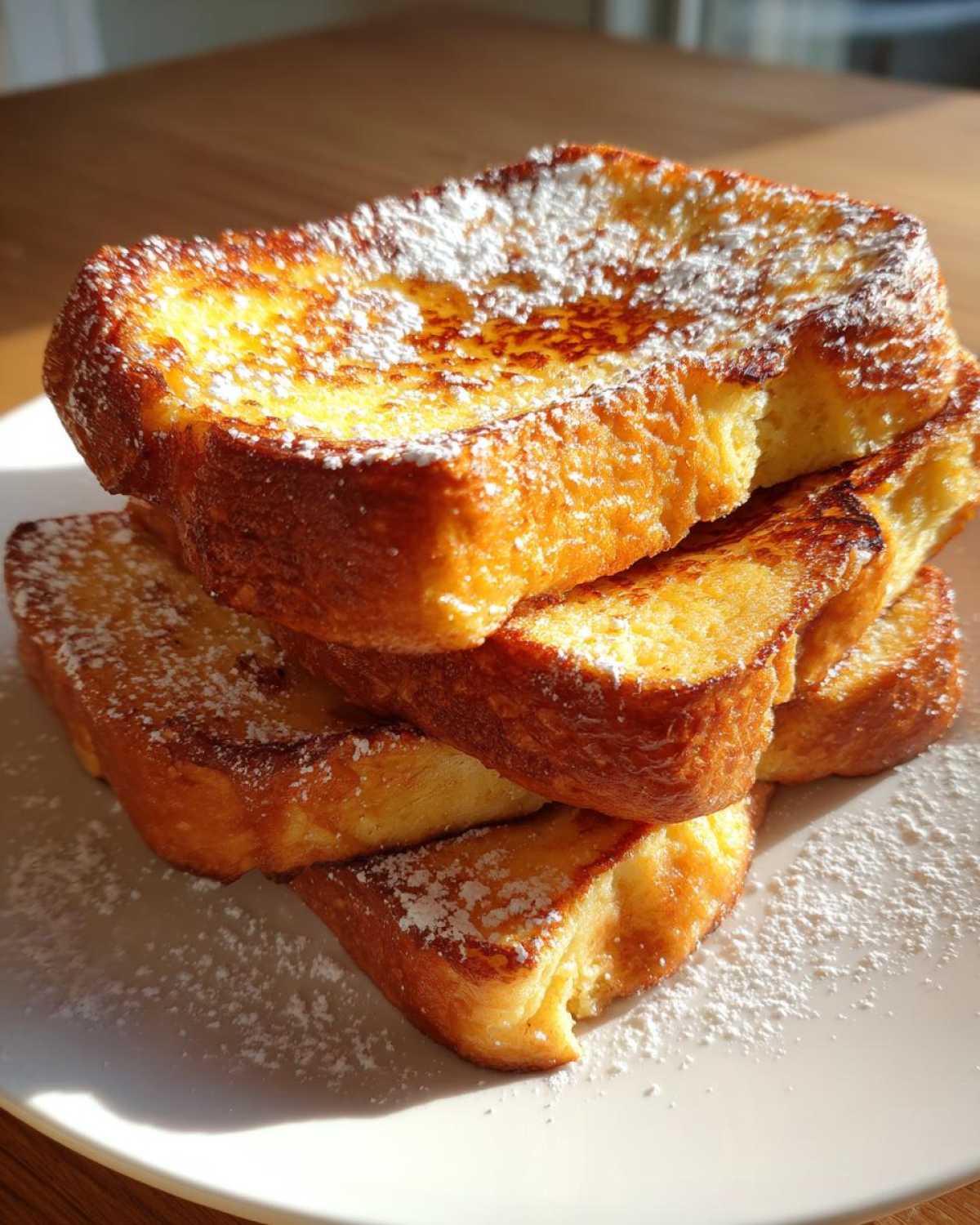
If you are feeling ambitious later and want to tackle something that requires a bit more planning but is totally worth it, check out the recipe rescue for our Churro Cheesecake Bars—that one was a real project!
Storing and Reheating Your easy french toast
Okay, let’s be real—this easy french toast is at its absolute peak quality the second it leaves the pan. The fluffiness starts to deflate a little bit once it rests, which is just physics, I guess. But sometimes life happens, or you made enough for the whole neighborhood, so we need a plan for leftovers so they don’t turn into floppy disappointments later. We don’t want sad, cold French toast!
First, storage: once the slices are completely cool, lay them out on a baking sheet lined with parchment paper. Do not stack them warm! Stacking traps steam, and steam is the enemy of crispness. Once cooled, you can transfer them to an airtight container, where they should keep happily in the fridge for about two days. I like to put a little square of paper towel between the layers just as an extra precaution to wick away any overnight moisture.
Now for reheating—this is critical if you want to bring back some of that lovely texture. Microwaving is officially banned in my kitchen for French toast. It just turns everything gummy. Instead, grab your toaster oven or a dry skillet.
If you’re using a skillet, use medium-low heat—no butter needed this time unless the slices look shockingly dry. Just let them warm through for about two minutes per side until they feel hot all the way through. If you want a little crispness back, a quick blast in the oven (about 350°F for 5-7 minutes) works miracles. It gets them piping hot and firms up the edges again. It’s almost like making them fresh! We’ve used this same logic to keep things warm when we make Mulled Wine warm without letting it over-reduce!
Frequently Asked Questions About easy french toast
We know when you need a fast breakfast, you don’t want to hunt for answers. Ben crowdsources these questions whenever we test a quick french toast recipe, just to make sure we cover all the bases before we send it out. If you’re still scratching your head about something, maybe one of these common sticking points is what you were looking for!
Can I use regular sandwich bread for this easy french toast recipe?
Oh, you totally can, and I’ve done it myself on a morning where the pantry was looking dangerously empty! But here’s my honest advice: you’ll sacrifice that beautiful, pillowy cloud texture. Regular sandwich bread is thin, and it tends to get saturated way too fast, which leads straight to that sad, soggy situation we agreed we were trying to avoid. For the best results that actually make this an easy french toast that impresses, definitely grab the thickest slices you can find labeled “Texas Toast” or go for brioche if possible.
What is the best bread for custardy french toast tips?
When we talk about nailing those custardy french toast tips, we are talking about structure, structure, structure! Sturdy bread holds up to the soaking process without disintegrating. The top runners are definitely Brioche and Challah. These breads are super rich in eggs and fat already, which complements our batter perfectly. They resist getting totally waterlogged while still absorbing enough liquid to create that glorious, creamy internal texture we love. If you can swing it, those are the breads that truly shine here and elevate this into delicious yet easy brunch territory.
Can I make this a make ahead french toast bake?
This recipe, as written, is designed for speed and skillet cooking—you know, for those mornings where you need real, hot food on the table in 17 minutes flat. So, no, you can’t really transform this specific batter into a make ahead french toast bake without changing the egg-to-milk ratio quite a bit! A bake requires a different technique to handle the slow, even heat of the oven. If you want true make-ahead convenience, you should search specifically for a French Toast Casserole recipe where the bread soaks overnight. This skillet version is strictly for immediate gratification, which is usually what people mean when they search for how to make french toast quickly!
If you need help rescuing other recipes that involve a lot of liquid mixtures, check out our infamous attempt to fix that Mexican Street Corn Dip!
Rate This easy french toast Recipe
Listen, we fixed it, we tested it, and we documented every single tricky little step to ensure you get the best, most reliable easy french toast possible. But now it’s your turn! We want to know how this classic made your morning. Did you stick exactly to the timings? Did you try adding a tiny bit of nutmeg like I suggested? Did this turn out to be the ultimate solution for your simple breakfast routine?
Please, jump down below and give this recipe a rating. Seriously, every star rating helps us keep rescuing and perfecting these essential dishes for the next person scrambling before work. And if you had a small tweak that made it perfect for your family—maybe you found the exact right brand of brioche—share that tip too! We love seeing how you make our rescues your own favorite version of homemade french toast.
Don’t forget to browse our full recipe archive right here: The Savor And Pin Recipe Rescues!
PrintEasy French Toast: The Quickest, Fluffiest Breakfast You Can Make

You need a great breakfast fast. This recipe delivers classic, custardy French toast with golden edges in under 20 minutes using a simple batter. It is the perfect solution for busy mornings or easy weekend brunch.
- Prep Time: 5 min
- Cook Time: 12 min
- Total Time: 17 min
- Yield: 4 servings
- Category: Breakfast
- Method: Skillet Cooking
- Cuisine: American
- Diet: Vegetarian
Ingredients
- 6 large eggs
- 1/2 cup whole milk
- 1 teaspoon pure vanilla extract
- 1/2 teaspoon ground cinnamon
- 1/4 teaspoon salt
- 8 slices thick-cut bread (like brioche or challah)
- 2 tablespoons unsalted butter, for cooking
Instructions
- In a shallow dish large enough to hold a slice of bread, whisk together the eggs, milk, vanilla extract, cinnamon, and salt until fully combined. This is your classic french toast batter.
- Heat a large non-stick skillet or griddle over medium heat. Add about half of the butter and let it melt until it sizzles slightly.
- Dip one slice of bread into the egg mixture, allowing it to soak for about 15 to 20 seconds per side. You want the bread saturated but not falling apart.
- Place the soaked bread onto the hot skillet. Cook for 3 to 4 minutes per side, until the French toast is golden brown and cooked through.
- Remove the cooked slices and keep them warm while you add the remaining butter to the skillet and cook the rest of the bread.
- Serve your quick french toast immediately with maple syrup and fresh fruit.
Notes
- For a custardy french toast tips result, use slightly stale or thick-cut bread. This allows the bread to absorb more of the egg mixture without becoming soggy.
- If you want a hint of extra sweetness in the batter, add 1 tablespoon of granulated sugar to the egg mixture.
- This recipe is great for family breakfast ideas easy because you cook it in batches right before serving.
Nutrition
- Serving Size: 2 slices
- Calories: 280
- Sugar: 8
- Sodium: 350
- Fat: 14
- Saturated Fat: 7
- Unsaturated Fat: 7
- Trans Fat: 0
- Carbohydrates: 28
- Fiber: 1
- Protein: 12
- Cholesterol: 250